
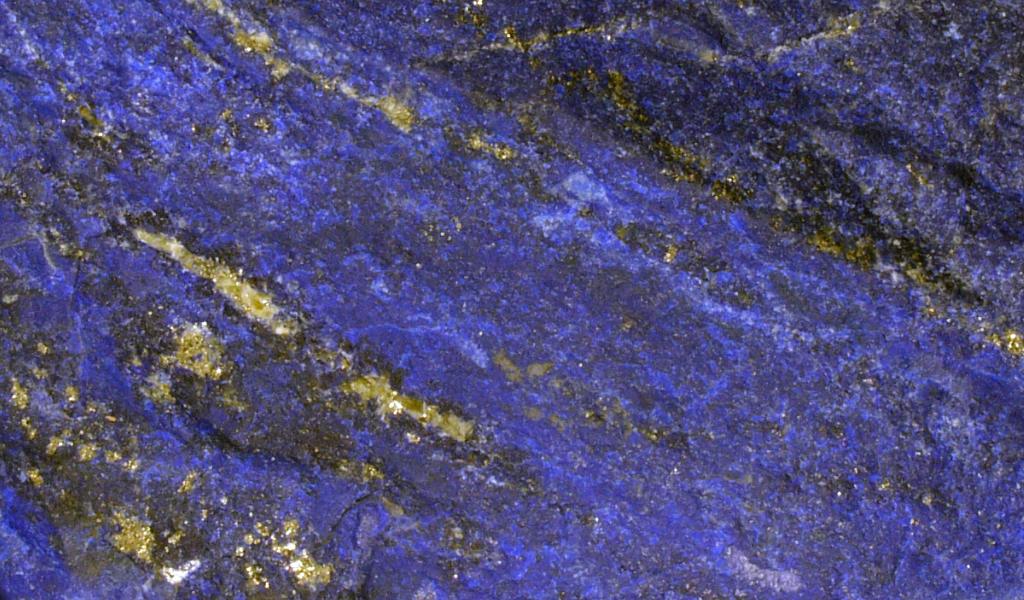
LAPIS LAZULI
GEMSTONE
Lapis Lazuli is believed to be a healing stone and is thought to bring confidence to the wearer. It is also believed to encourage emotional balance and improve concentration and focus.





Recently viewed

925 Sterling Silver

Natural Gemstones

Free UK Delivery

12 Month Warranty
Introduction to Lapis Lazuli
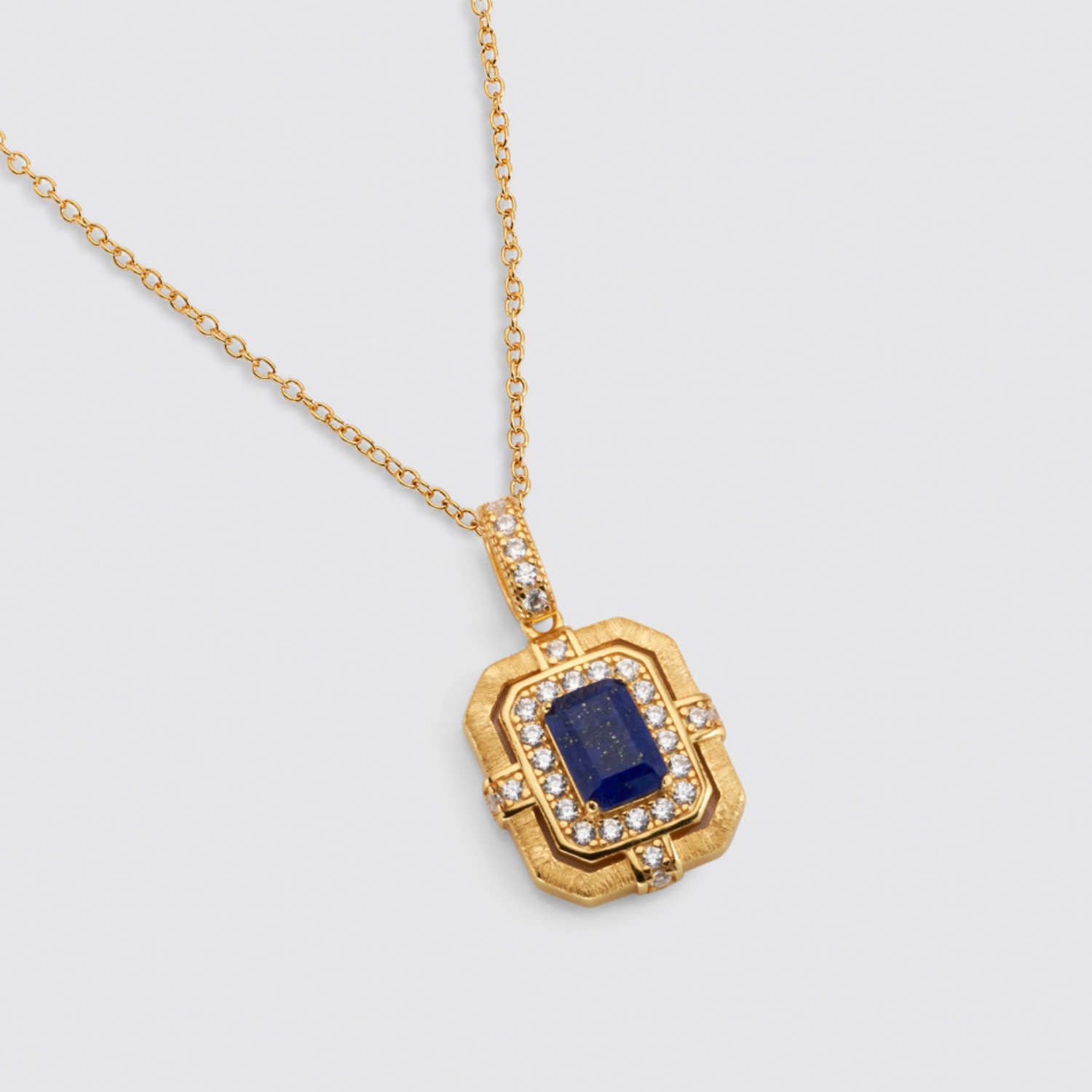
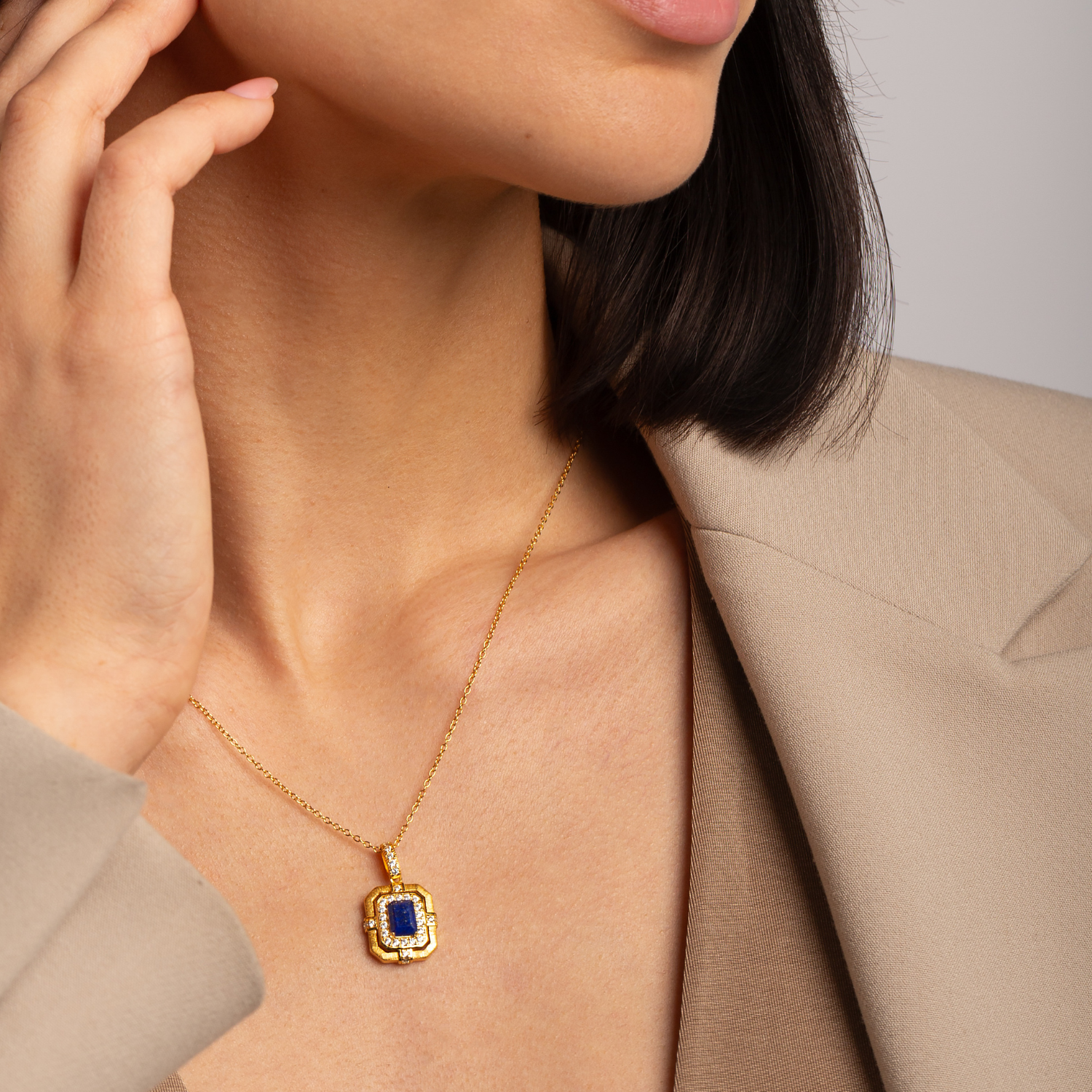
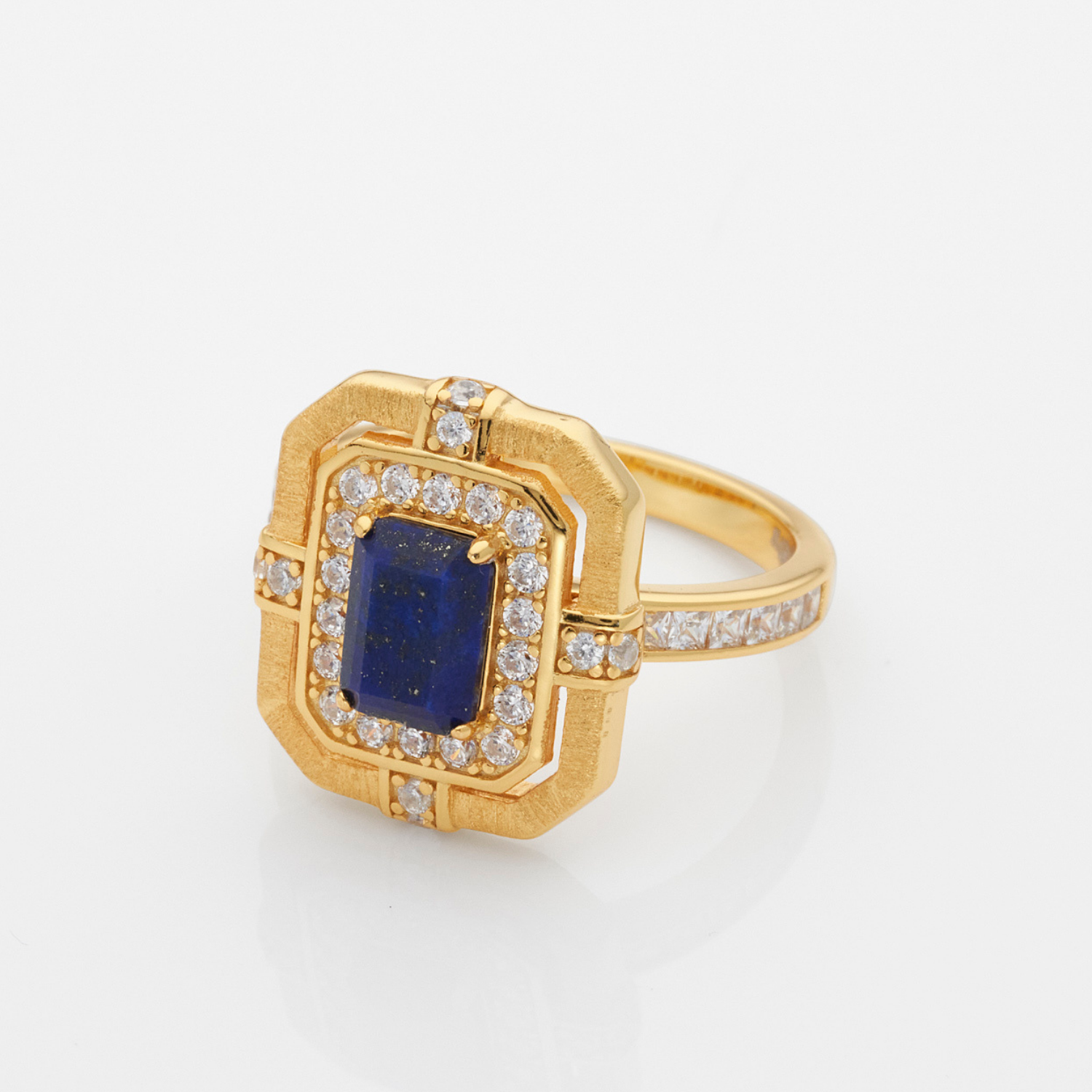
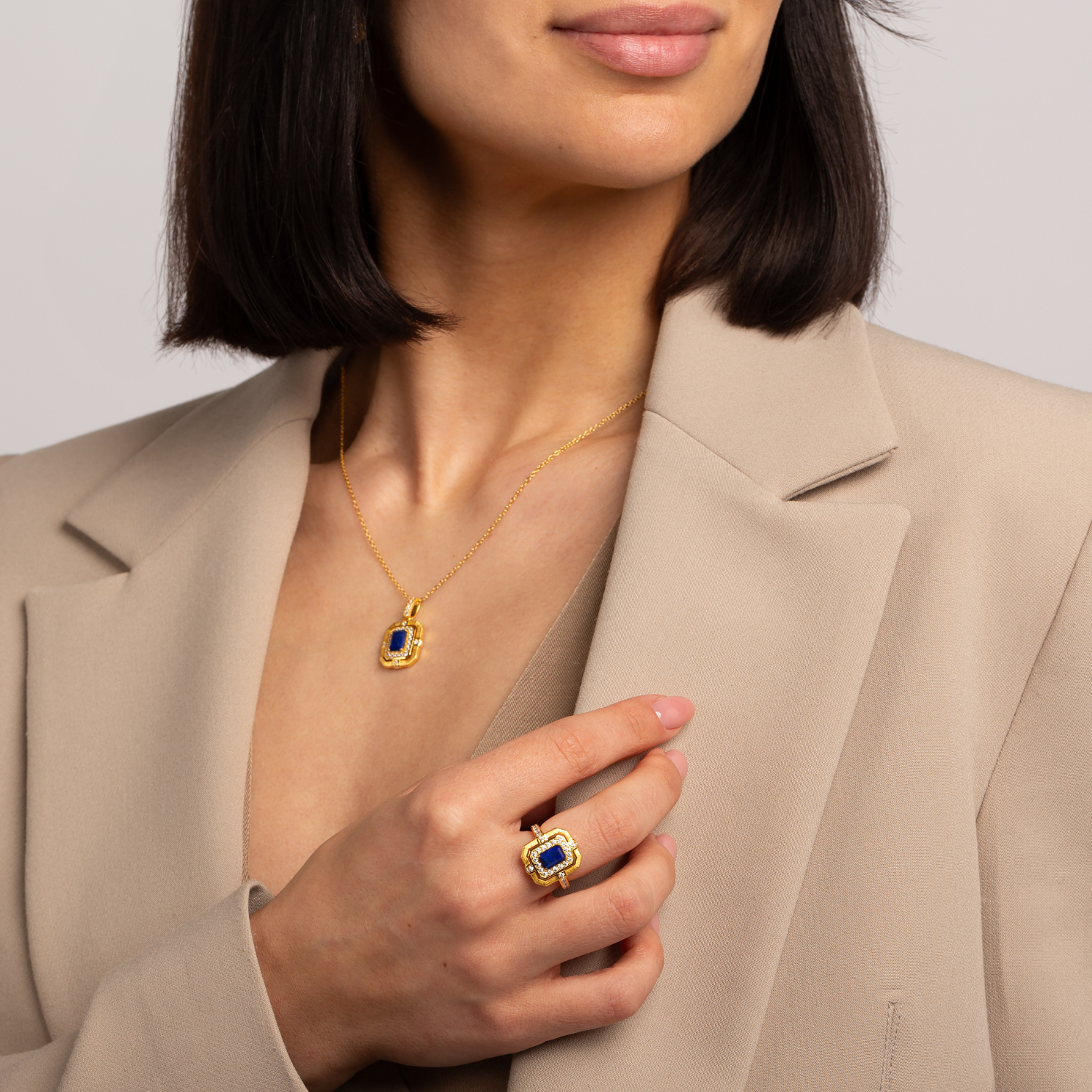
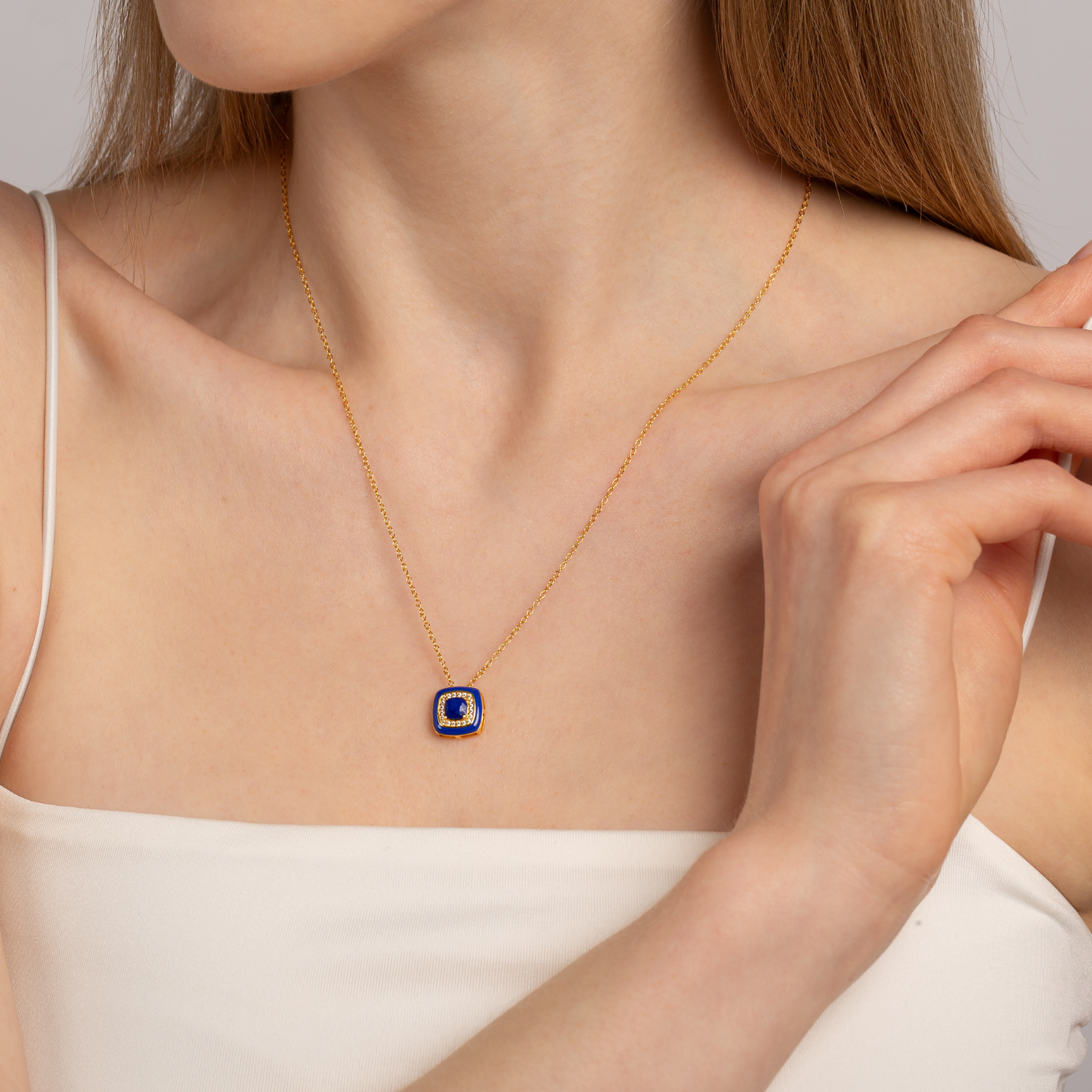
Lapis Lazuli gemstone is a semi-precious stone that is famous because of its striking appearance. The blue-toned gemstone is widely known for its likeness to the night sky. The Lapis Lazuli jewellery is designed with a deep blue tone adorned by golden flecks, just like the twinkling stars. At H.AZEEM London, we have created new collections, including the Hera Lapis Gold Necklace, which is beautifully handcrafted in 18K Gold plating with a subtle matte Gold finish.
The History of Lapis Lazuli
Lapis Lazuli has adorned gold jewellery, home décor, and fine art for centuries, with its presence found in archaeological excavations across various ancient civilisations such as Mesopotamia, Egypt, and Greece. Among these, ancient Egypt holds a special reverence for Lapis Lazuli, where it was cherished for its divine connotations and connection to the elite.
The ancient Egyptians revered Lapis Lazuli, crafting exquisite gold jewellery, amulets, and sculptures from this prized gemstone. Its deep blue hue symbolised the heavens and was closely associated with the gods and the royals, powerful kings and queens, and spiritual significance within Egyptian society.
By the end of the Middle Ages, Lapis Lazuli began to be imported into Europe, where it gained popularity among Renaissance artists. The gemstone was highly prized for its vibrant hue and was often ground into powder to produce ultramarine, the most luxurious of all blue pigments.
Lapis Lazuli Gemstone Properties
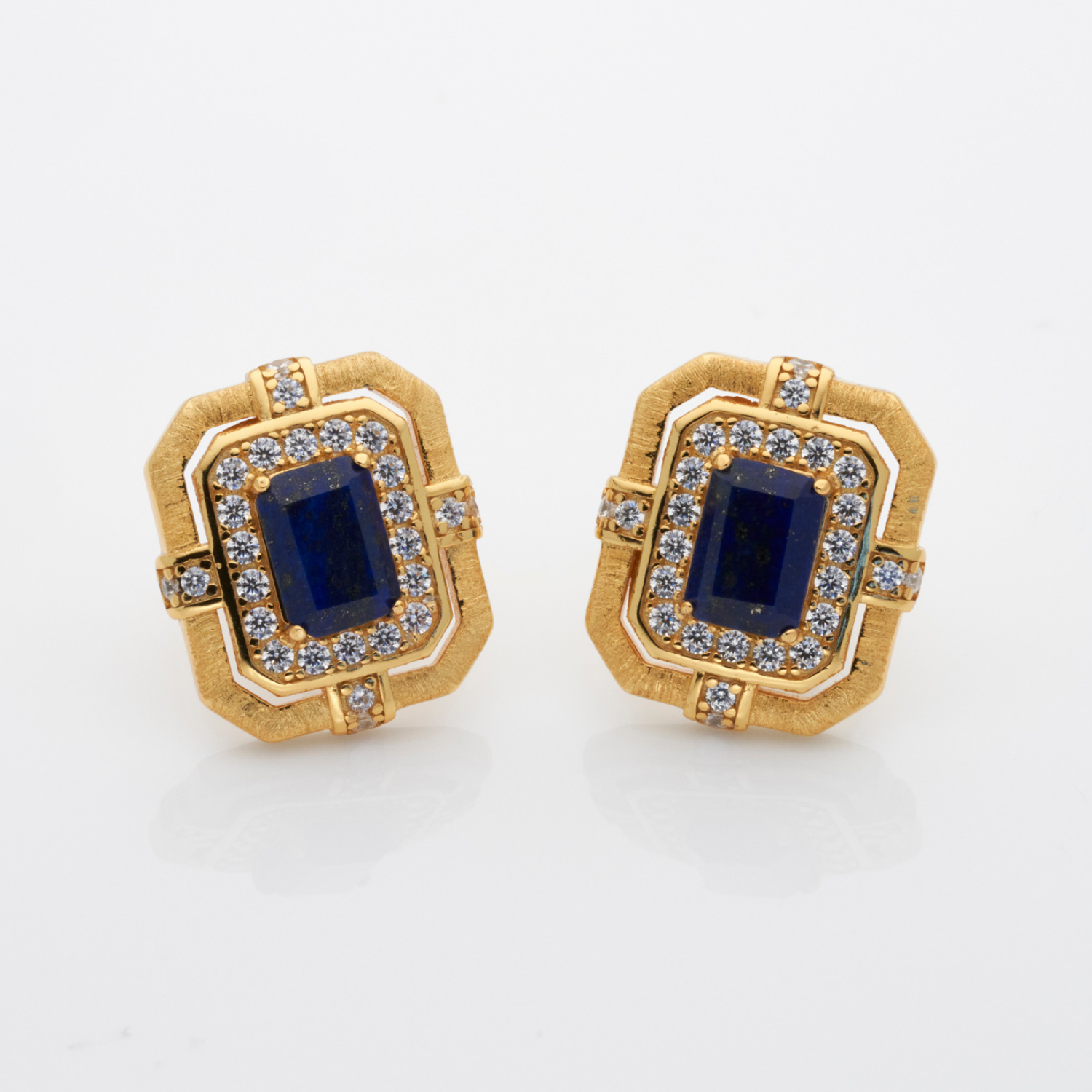
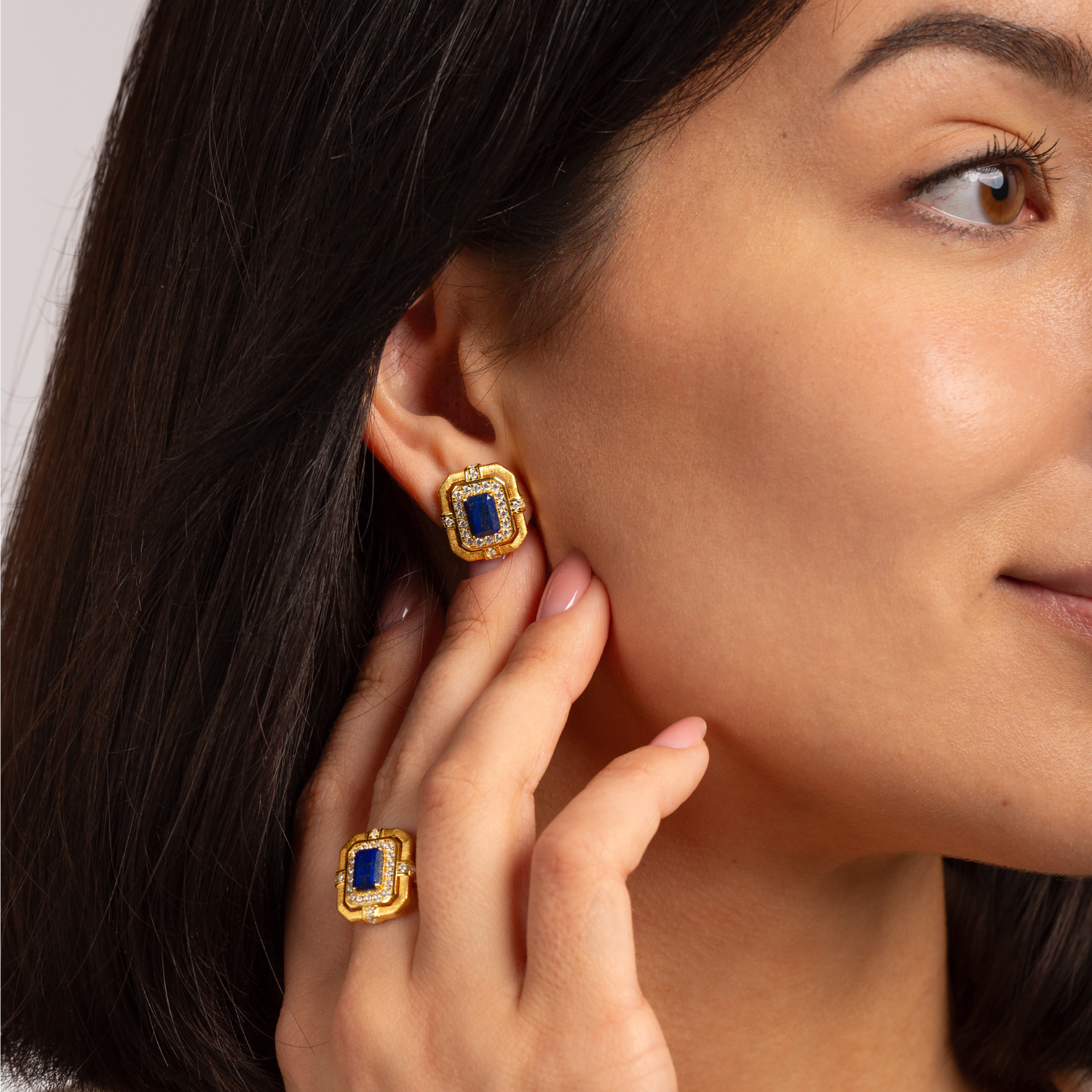
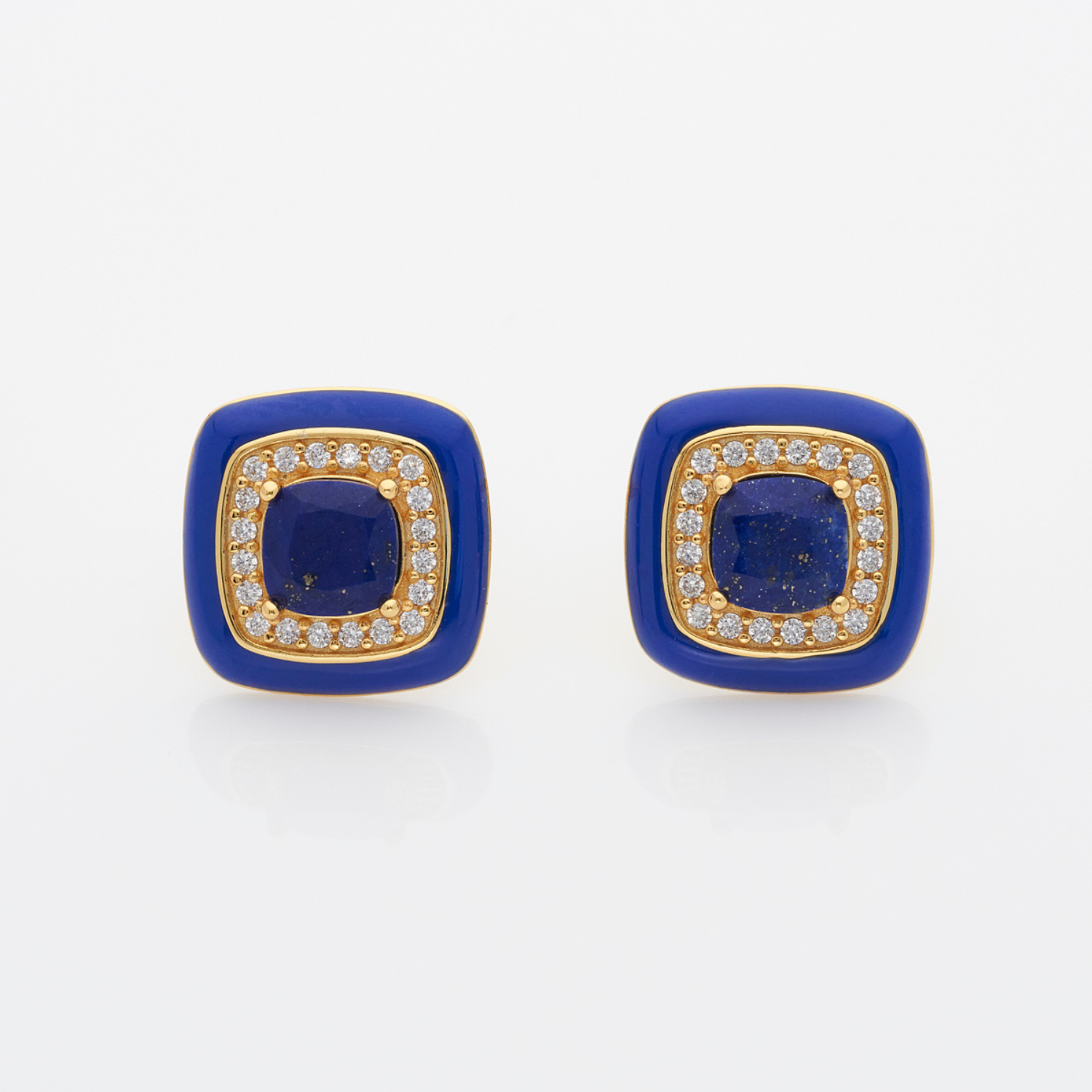
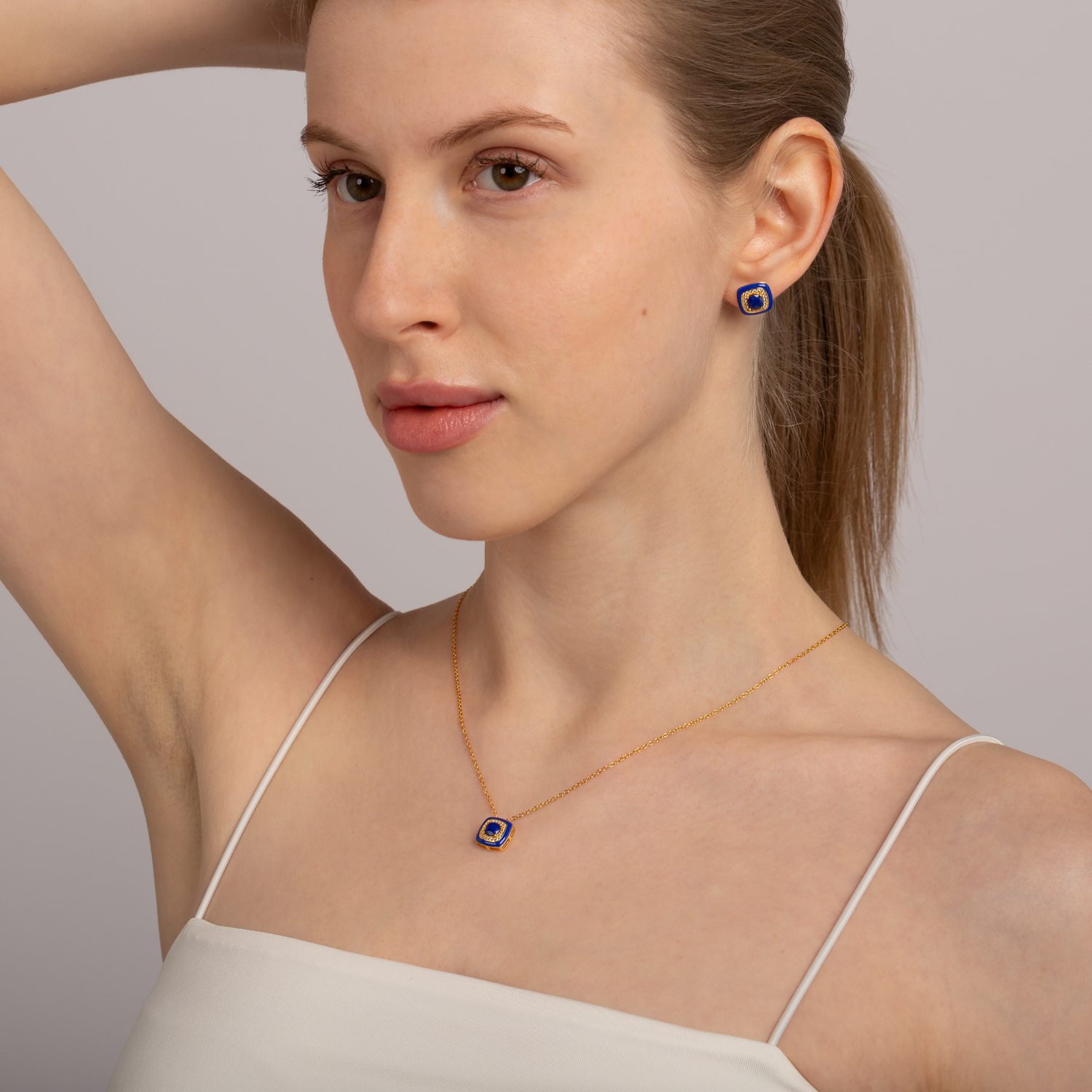
Lapis Lazuli gemstone is believed to be a healing gemstone and promotes resilience. It promotes emotional balance and improves concentration and focus. Wearing Hera Lapis Earrings is believed to bring courage and strength to the wearer.
Is Lapis Lazuli a Birthstone?
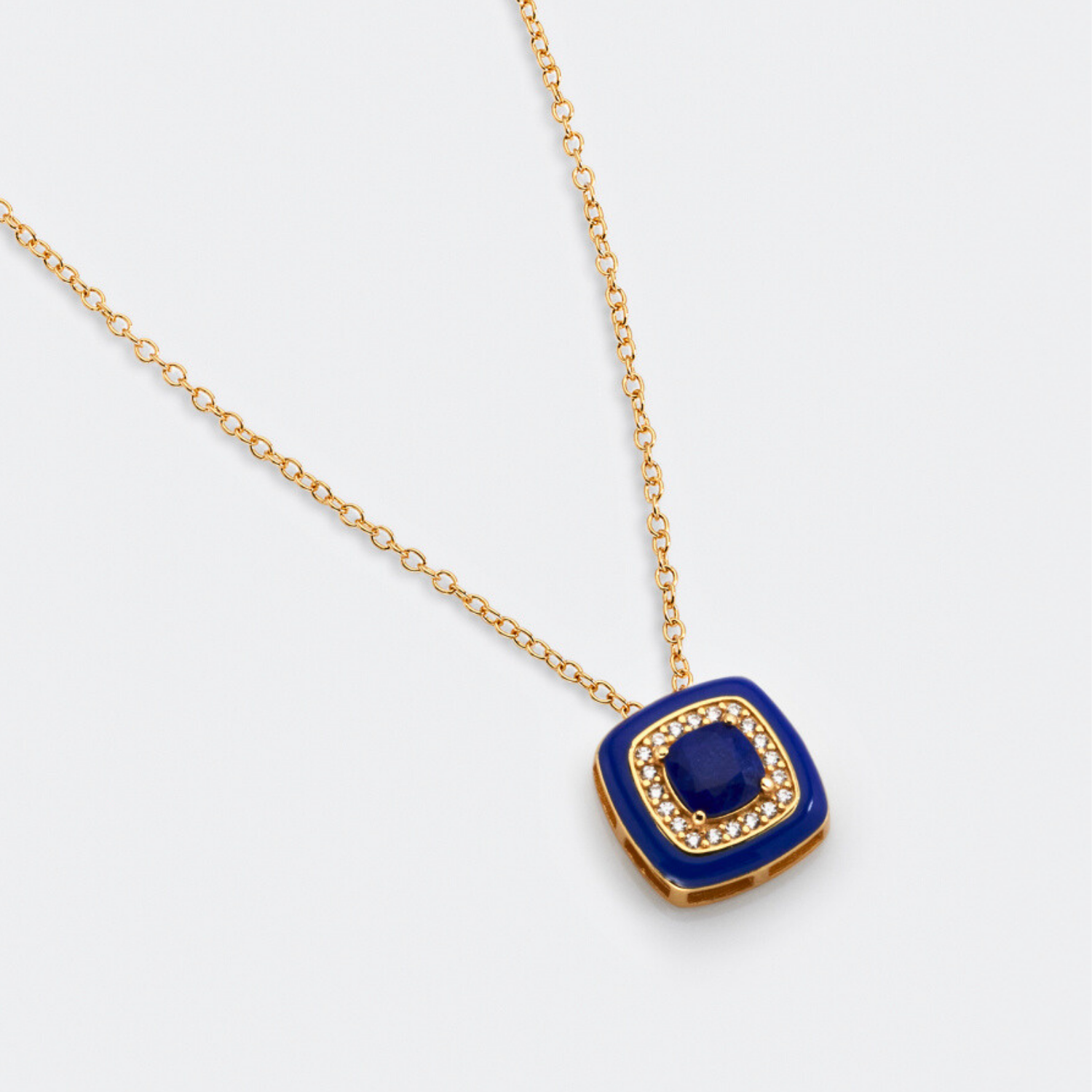
Lapis Lazuli is an alternative birthstone for September, making a great birthday gift to treat yourself or a loved one. Our new Athena collection includes the Athena Lapis Necklace. The Lapis Lazuli pendant is adorned with intricate enamel work and beautifully crafted for everyday wear. Inspired by Athena, the Greek goddess of wisdom, the gold necklace has the perfect combination of modern and traditional jewellery.
Lapis Lazuli is also known as the 9th wedding anniversary gemstone. Our Hera Lapis Gold Ring reflects the ever-lasting love for your loved one.
About H.AZEEM London
H.AZEEM LONDON is an award-winning brand specialising in natural gemstone jewellery set in 925 Sterling Silver. All of our pieces use only natural gemstones, and these gems form the basis of our designs, through which we elevate their natural beauty. All jewellery is beautifully packaged in our premium H.AZEEM London packaging with a certificate of authentication card.
Frequently Asked Questions About Lapis Lazuli
Both may be blue with pale markings, but Lapis Lazuli commonly contains lazurite and may show pyrite flecks; Sodalite has a different composition. Similar colour does not mean two gemstones are the same, and reliable identification may require gemological testing rather than visual comparison alone.
Lapis Lazuli can be used in rings, but the right setting and care are important. Rings receive more knocks and abrasion than necklaces or earrings, so consider the stone's durability, how exposed it is and whether the ring will be worn daily. Remove it for strenuous or manual activities.
Yes. Lapis Lazuli jewellery can be chosen for its association with confidence, wisdom, truth and self-expression. Earrings and necklaces avoid sizing concerns, while a ring can feel more personal when the recipient's size is known.
Lapis Lazuli can work with both gold and silver. Gold creates a warmer, richer effect, while sterling silver gives a cooler or more contemporary contrast. The best choice depends on the stone's individual colour, the design and the metals you prefer.
Check whether the seller clearly identifies the stone as natural, laboratory-created, treated or imitation and states the jewellery metal. Photographs and inclusions alone cannot prove authenticity. For a high-value or uncertain piece, professional gemological testing provides the most reliable identification.
Occasional brief contact with clean water may not immediately damage every Lapis Lazuli piece, but it should not be worn while showering, swimming or bathing. Water, chlorine, salt, soap and repeated moisture can affect the gemstone, setting or plated finish, so remove the jewellery first.
Wipe Lapis Lazuli jewellery gently with a clean, soft cloth after wear. Follow the care instructions for the specific product before using water or soap, and avoid bleach, acids, abrasive cleaners and unapproved ultrasonic or steam cleaning. Dry the piece fully before storing it.
Lapis Lazuli is wearable with care, but softer and more porous than many transparent gemstones. Rings and bracelets experience more contact than earrings and necklaces, so suitability also depends on the setting and the wearer's routine. Remove gemstone jewellery before exercise, cleaning, swimming or manual work.
Lapis Lazuli is wearable with care, but softer and more porous than many transparent gemstones. Rings and bracelets experience more contact than earrings and necklaces, so suitability also depends on the setting and the wearer's routine. Remove gemstone jewellery before exercise, cleaning, swimming or manual work.
There is no single UK price for Lapis Lazuli. Loose-stone value depends on quality, size, cut, treatment, origin where reliably established, and market demand; finished jewellery also reflects its metal and craftsmanship. For a formal valuation of an existing piece, consult an independent qualified jewellery valuer or gemologist.
Lapis Lazuli jewellery is available at different price points. The cost depends on the stone's variety, colour, clarity, size, cut, rarity and treatment, together with the metal, craftsmanship and complexity of the finished design.
Lapis Lazuli is an alternative September birthstone. Birthstone and anniversary associations vary between traditions, so they should be presented as cultural conventions rather than scientific facts.
Lapis Lazuli jewellery features an opaque rock composed mainly of lazurite with other minerals set into pieces such as rings, necklaces, earrings and bracelets. It is recognised for deep blue, sometimes with white calcite or gold-coloured pyrite flecks. H.AZEEM London specialises in natural gemstone jewellery crafted primarily in 925 sterling silver, with selected gold and rose-gold finishes.
Lapis Lazuli is recognised for deep blue, sometimes with white calcite or gold-coloured pyrite flecks. Natural stones can vary in tone, transparency, inclusions and pattern, so an individual piece may not look identical to another or to a sample photograph.
Yes, Lapis Lazuli occurs naturally. Natural does not always mean untreated, however, so buyers should check the product description for the gemstone identity, treatment information where relevant, and the jewellery metal. Natural calcite and pyrite markings can be part of Lapis Lazuli's character rather than defects.
Lapis Lazuli has traditionally been associated with confidence, wisdom, truth and self-expression. These meanings can make the jewellery personally significant, but they are cultural or spiritual associations rather than scientifically proven medical effects.