What Does 925 Mean? A Sterling Silver Guide
What Does 925 Mean on Jewellery?
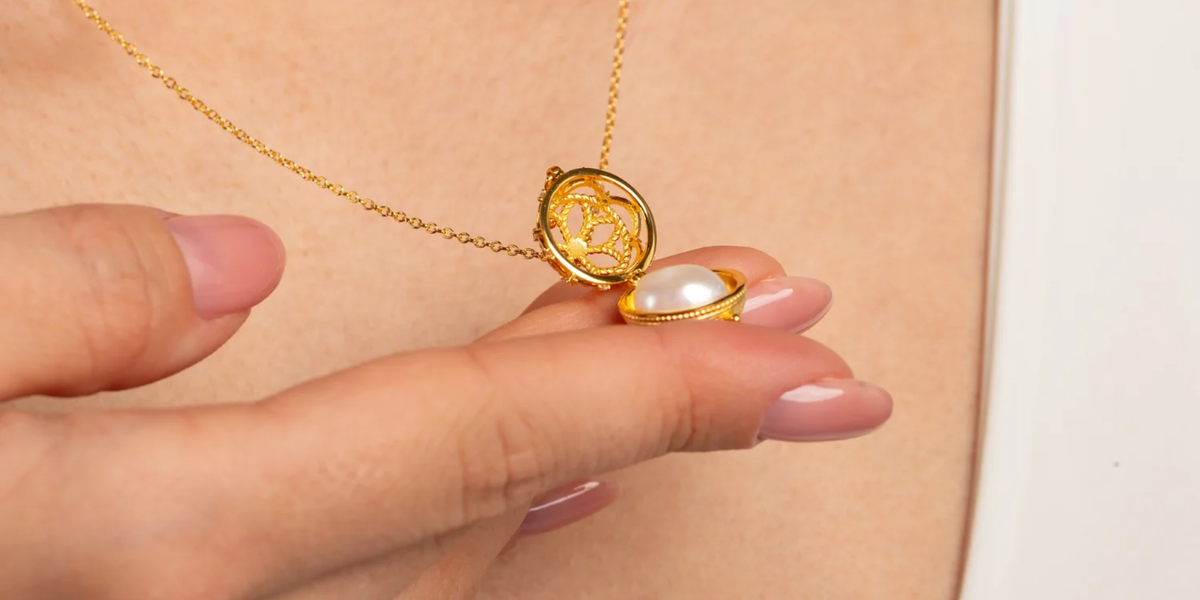
925 means a silver alloy contains 92.5% silver: the standard known as sterling silver. The remaining 7.5% consists of other metals. If a piece looks gold but is described as 925 silver, it may have a gold-plated finish over that silver base.
It is a tiny number that can answer a surprisingly common jewellery-box mystery. You turn over a ring, spot “925” and wonder what it says about the piece you have been wearing.
Once you understand the base metal and the surface finish, product descriptions become much easier to read. Here is what that little number tells you, and what still needs a closer look.
Is 925 sterling silver real silver?
Yes. Sterling silver is a silver alloy. Calling it an alloy does not make it imitation silver; it describes a mixture of metals with a specified silver content.
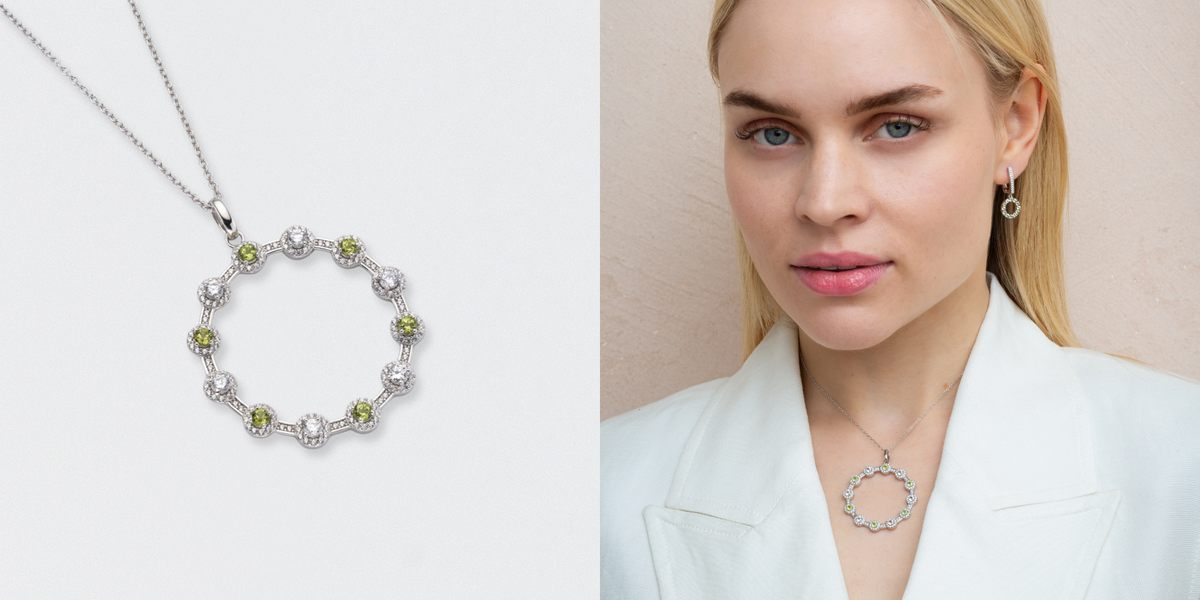
Think of 925 as a material description, not a style label. It tells you the silver standard, whether the design is a simple band or a colourful pendant. It does not mean pure silver, and it does not tell you what finish you are seeing in the photograph.
What is the difference between sterling silver and silver plating?
Sterling silver describes the alloy used as the metal body. Silver plating describes a surface layer applied over a base material, which may be another metal.
The terms answer different questions. What is the piece made from underneath? What has been applied to its surface? A clear product description should make both understandable when there is a plated finish.
| Description | What it tells you |
| 925 Sterling Silver | The silver alloy is 92.5% silver |
| Gold-plated Sterling Silver | Gold forms a surface layer over a sterling silver base |
| Silver-plated Jewellery | A silver surface layer covers a base material; check which one |
| Solid gold Jewellery | Gold alloy is the material body; its carat specification is separate |
Why might gold-coloured jewellery have a 925 mark?
Because the piece may be gold-plated sterling silver. The colour comes from the surface, while 925 refers to the silver underneath.
So there is no contradiction in a gold-coloured piece being described as 925 silver. The two details refer to different layers. Read them together when comparing designs, and you will have a clearer idea of what you are paying for and how to care for it.
Is a 925 stamp the same as a full UK hallmark?
No. The fineness mark is one part of a hallmark. Birmingham Assay Office explains that a full UK hallmark includes compulsory marks identifying the sponsor, the metal fineness and the assay office.
A standalone 925 stamp should not be treated as the whole independent verification process. If you need assurance about a particular item's metal content, ask the seller what its marks and documentation establish. This guide does not attempt to cover every hallmarking exemption or legal requirement.
Does sterling silver tarnish?
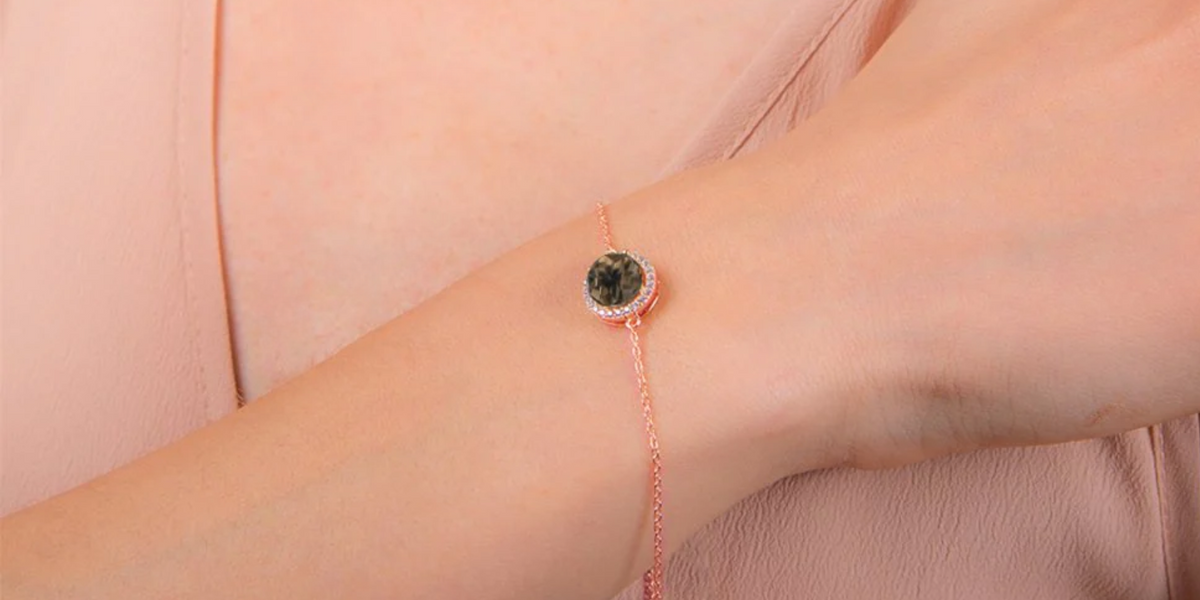
Sterling silver can develop tarnish. Changes in its surface appearance do not automatically mean it is poor quality or imitation. Storage, exposure and the finish affect how a piece should be cared for.
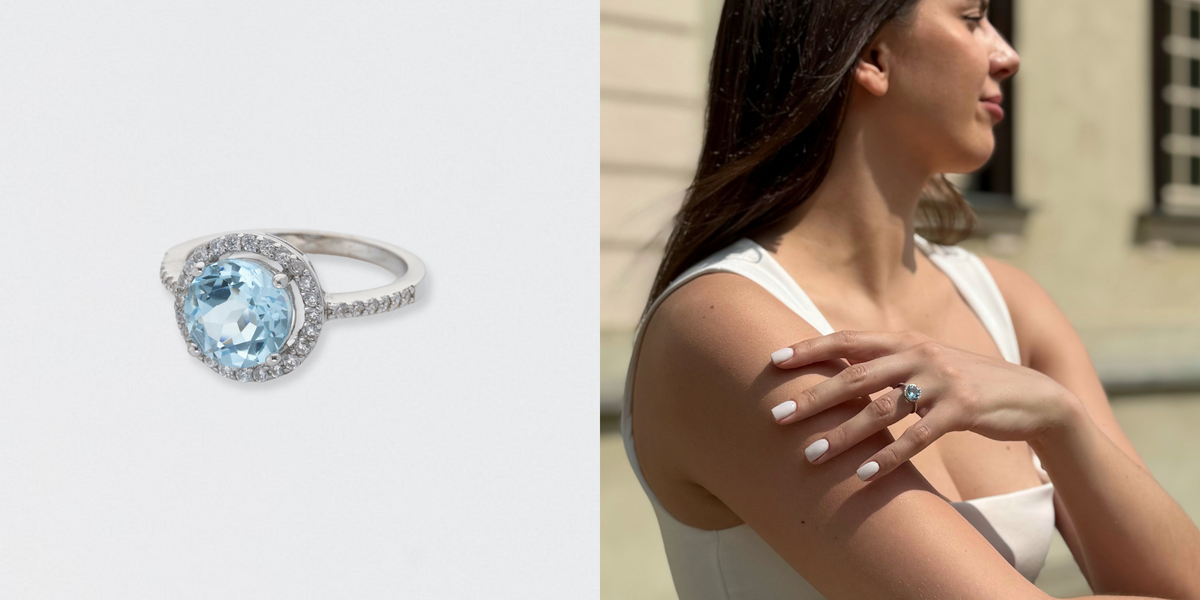
Follow the advice for the entire piece, especially when it contains gemstones or has plating. A cleaning method suitable for plain silver may be unsuitable for a sensitive stone or a plated surface.
What should you check before buying?
Read the description from the inside out: base metal first, finish next, then the gemstone and design details. If a listing says only silver, ask what that means. A clear answer is more useful than trying to judge metal quality from how shiny something looks on screen.
H.AZEEM's Quality Promise describes its use of sterling silver. Refer to that information alongside the exact piece you are considering, particularly when comparing different finishes or special collections.
Explore the materials and designs in H.AZEEM's gemstone jewellery with a clearer understanding of the silver beneath the surface.
Frequently asked questions
Does 925 mean 925-carat gold?
No. In this context it indicates the silver fineness standard, not a gold carat value.
Can sterling silver look gold?
Yes. A gold-plated finish can change its appearance while the underlying metal remains sterling silver.
Does a 925 mark identify the gemstone?
No. It concerns metal fineness. The stone's identity requires separate information.
Editorial links: Quality Promise; silver collection; gold-plating article; care page. Incoming links: silver collection and material FAQs.