Recycled Sterling Silver Jewellery: A Buying Guide
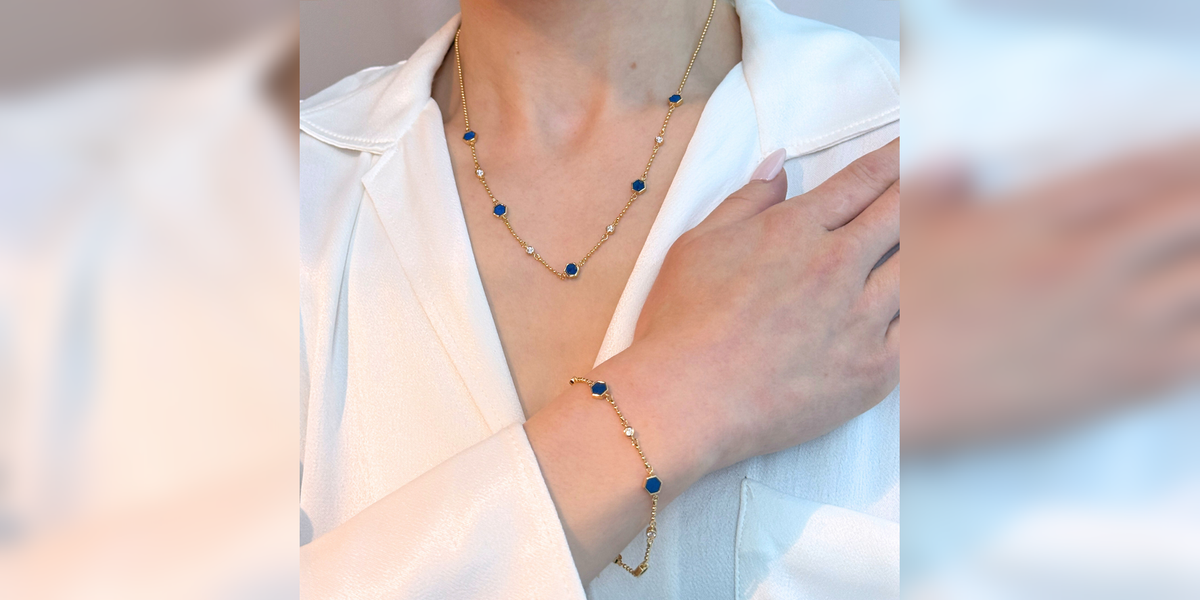
Recycled sterling silver jewellery uses recovered silver in a sterling silver alloy. “Recycled” describes the metal's source; “sterling” describes its silver content. Check the product's recycled-content information as well as its metal specification to understand what you are buying.
A jewellery description can be full of appealing words. The helpful ones tell you something specific: what the piece is made from, which materials the claim covers and what information sits behind it.
If recycled silver is part of what matters to you, a few straightforward questions will help you choose a piece you love with a clearer understanding of its materials.
Is recycled sterling silver still 925 silver?
It can be. A sterling silver specification means the alloy contains 92.5% silver, whether that silver comes from recovered material or another source. Recycled origin and fineness are different characteristics.
The 925 description does not, on its own, identify how much recycled silver a piece contains. Look for a separate statement about recycled content. If the wording is unclear, ask what proportion and which components the claim covers.
Does recycled mean lower quality?
Not simply because the silver has been recovered. Assess the metal specification and the finished jewellery rather than assuming its previous use determines its quality.
Construction still matters: the setting, fastening, finish and dimensions all influence how the piece performs. A recycled-material statement does not replace useful product information or care guidance.
What should a recycled-silver claim tell you?
Look for a claim attached to the exact product. Is the body of the jewellery described as recycled silver? Are there separate findings, clasps or finishes? Does the brand provide supporting information about its material sourcing?
Bring the question back to the piece you are holding or viewing. A brand can use recycled silver in one collection and a different specification elsewhere. The individual listing is where a broad statement should become something you can apply to your choice.
Useful questions include:
- What part of this piece uses recycled silver?
- What recycled content is stated, and how is it documented?
- What are the other materials and finishes?
- What repair or aftercare information is available?
Does recycled silver make the whole piece sustainable?
A recycled-metal claim describes one aspect of jewellery. Gemstone sourcing, production, finishes, packaging and transport are separate considerations. It does not establish an environmental result for every stage of the product's life.
You do not need to turn every purchase into a research project, but you can ask for clear explanations. Specific information about a material is useful. A sweeping label without that detail leaves you with more to ask. Choose the claims you can understand and keep their scope in mind.
What should you ask about gemstones?
Ask for the stone's identity, origin information where available, and treatments that matter to your purchase. A retailer's authenticity certificate and documentation about sourcing are not automatically the same thing.
Words such as natural, ethical and traceable answer different questions. Natural concerns formation; traceability concerns the information available about a material's journey. Ask what a statement means in practice rather than treating the terms as interchangeable.
How can you make a considered jewellery purchase?
Choose a design you expect to keep wearing. Check the dimensions and fastening, understand its care requirements and consider whether you can obtain help if something needs attention.
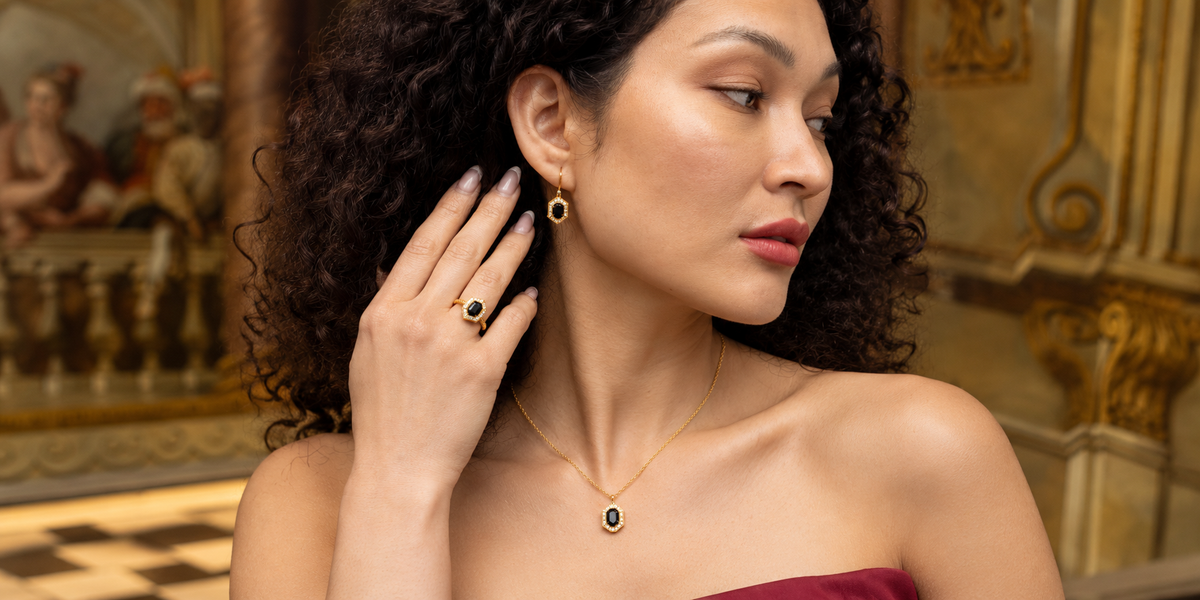
Imagine the piece with the clothes you wear most often, not only the outfit in its campaign photograph. Does it feel like something you would reach for on an ordinary day? A favourite colour, comfortable shape and story you connect with can help make it a lasting part of your jewellery box.
H.AZEEM describes the introduction of recycled sterling silver in its Sustainability page. Use that information as context and confirm the recycled-material description on the specific design you choose.
Frequently asked questions
Does 925 mean recycled silver?
No. It describes silver fineness. Recycled origin needs a separate claim.
Does a recycled-silver collection mean every brand product is recycled?
No. Apply the statement only to products for which the brand provides it.
Does a natural gemstone automatically have documented ethical sourcing?
No. Natural formation and sourcing documentation are different matters.
Editorial links: Sustainability page; live recycled-silver collection; 925 article; buying guide. Incoming links: sustainability and recycled collection.