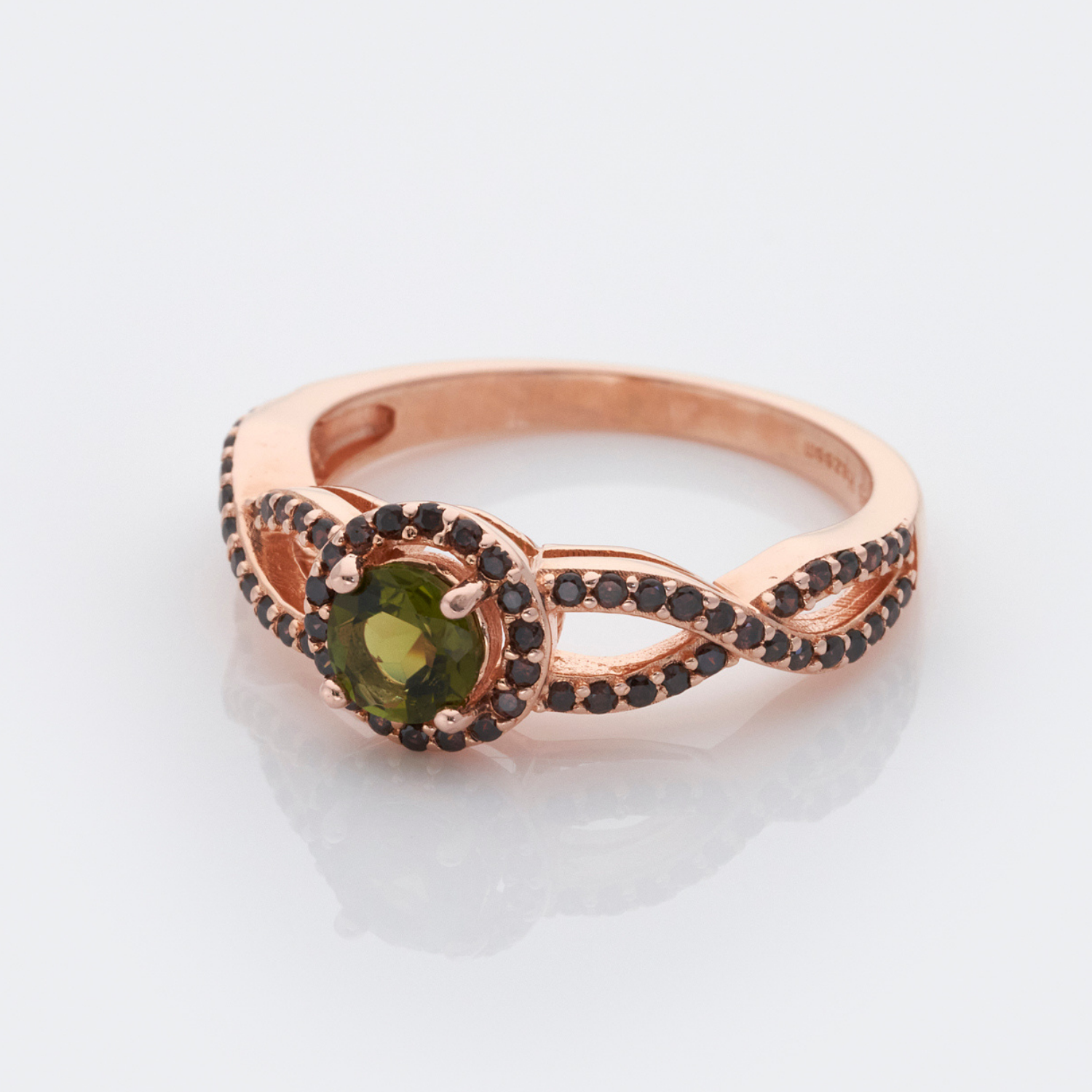
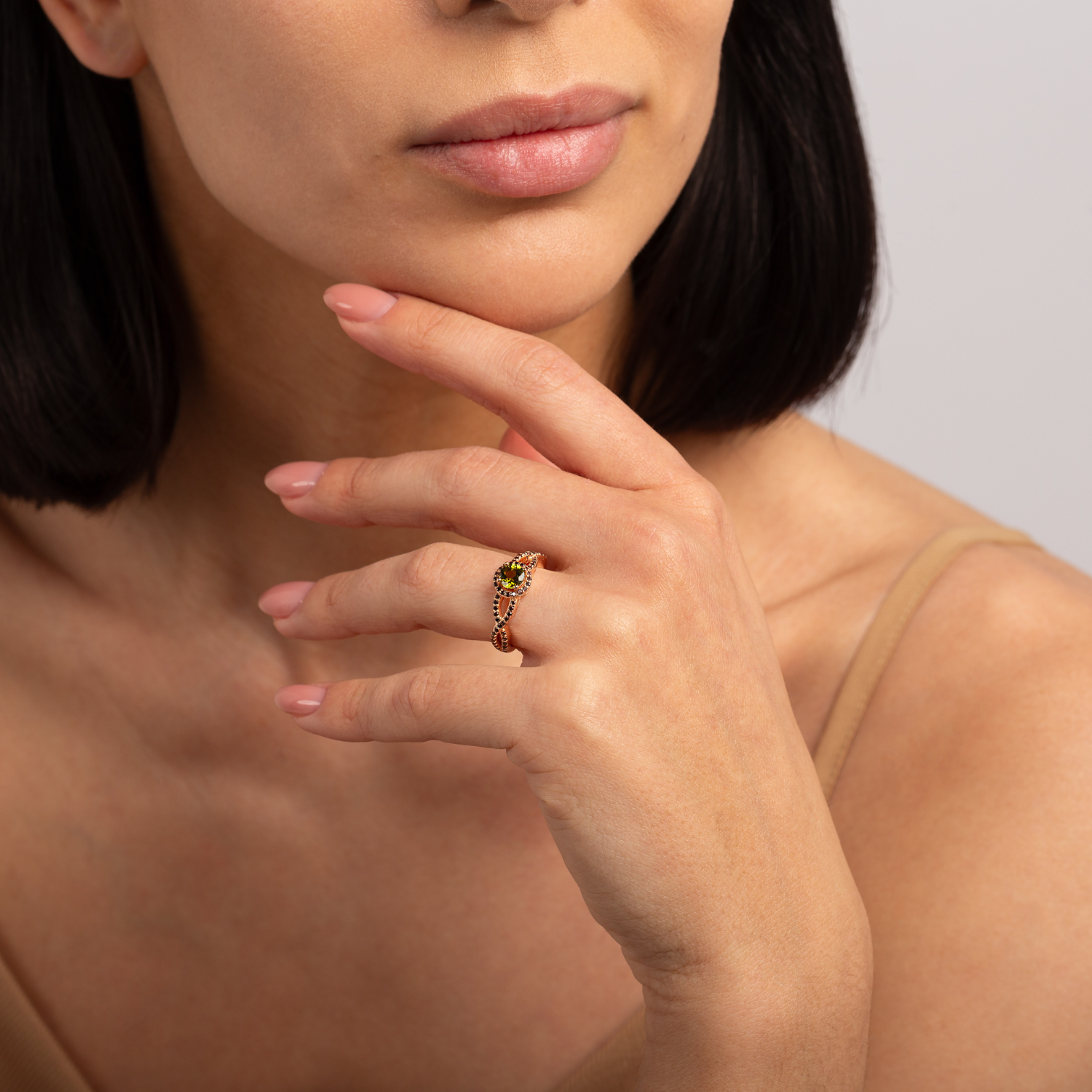
What is the October birthstone?
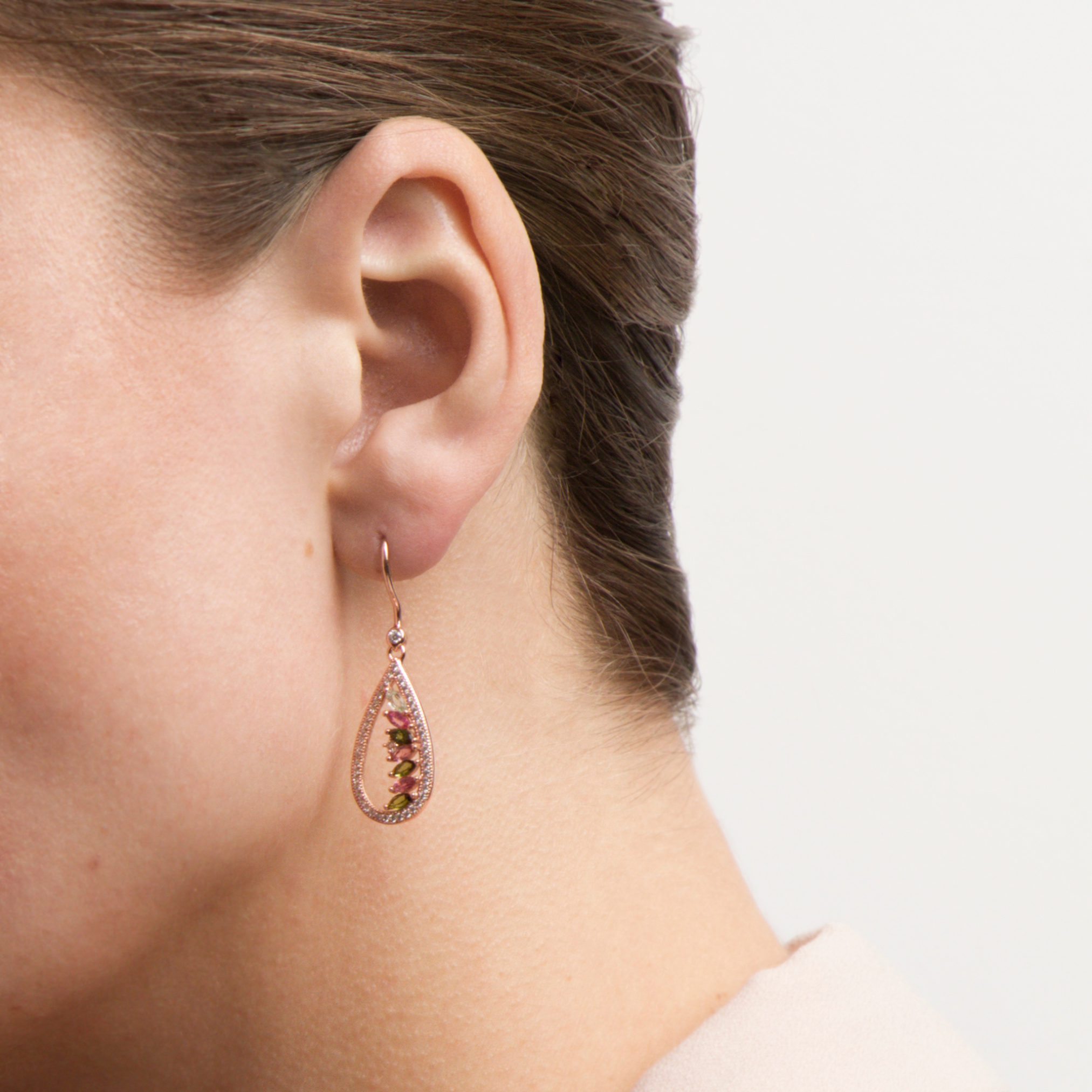
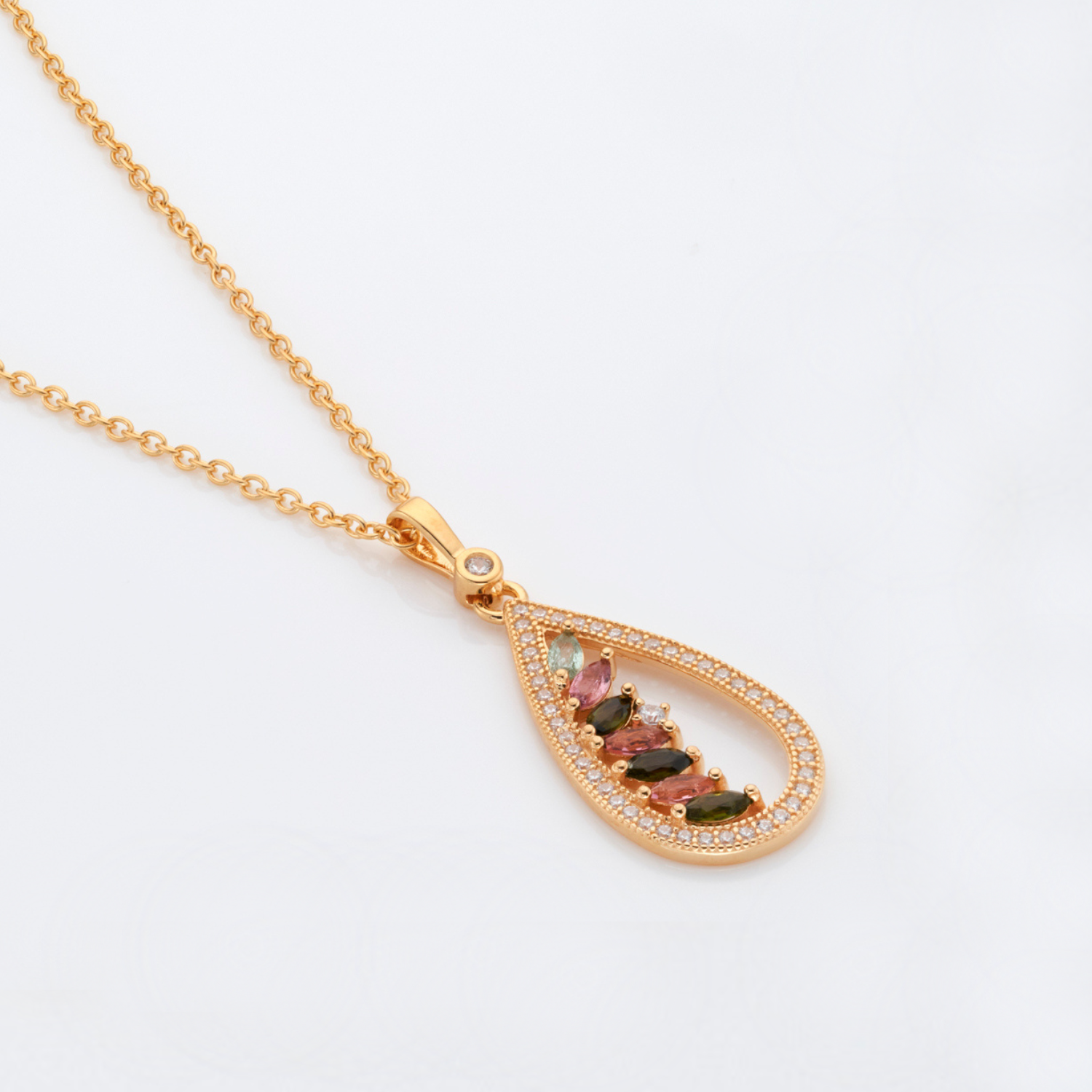
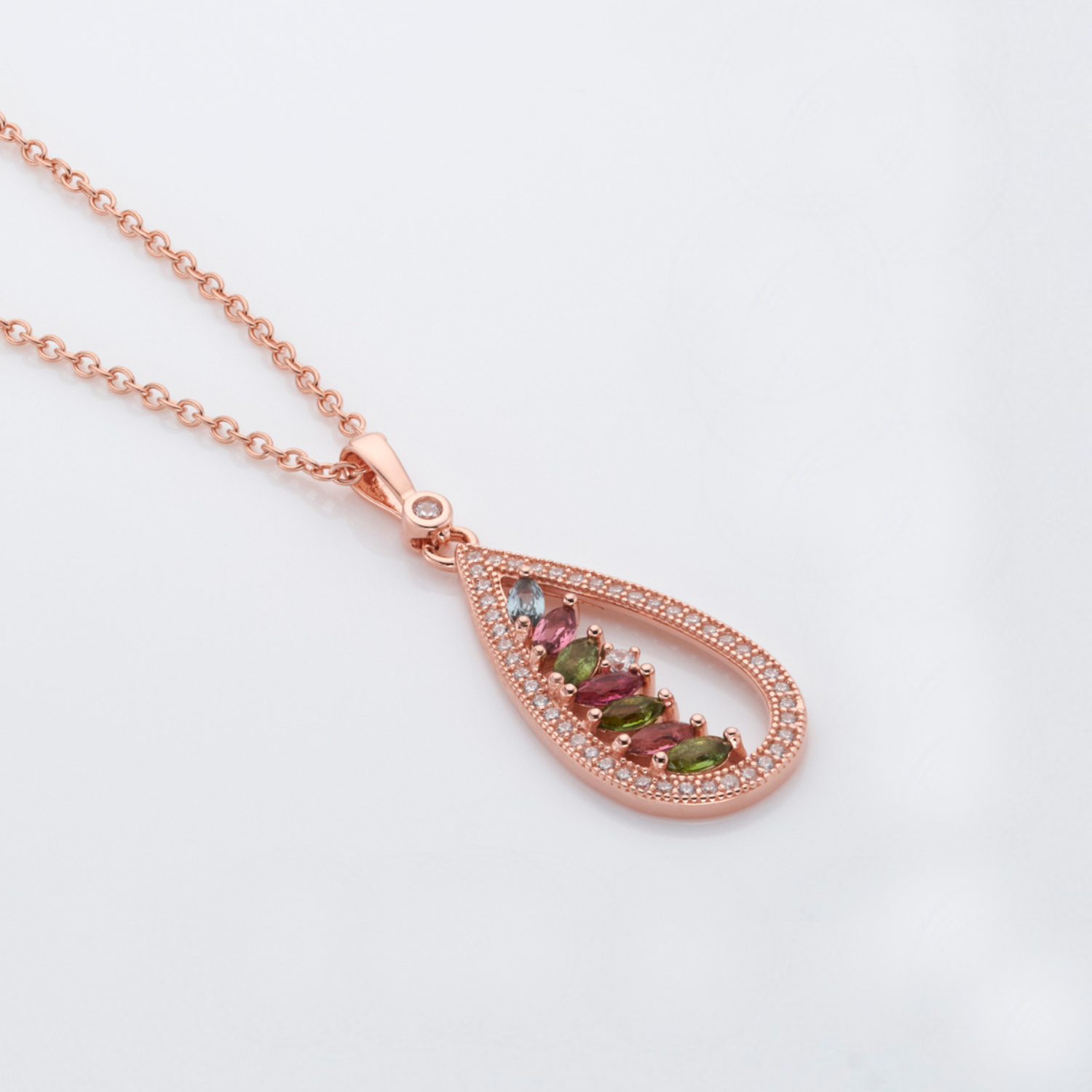
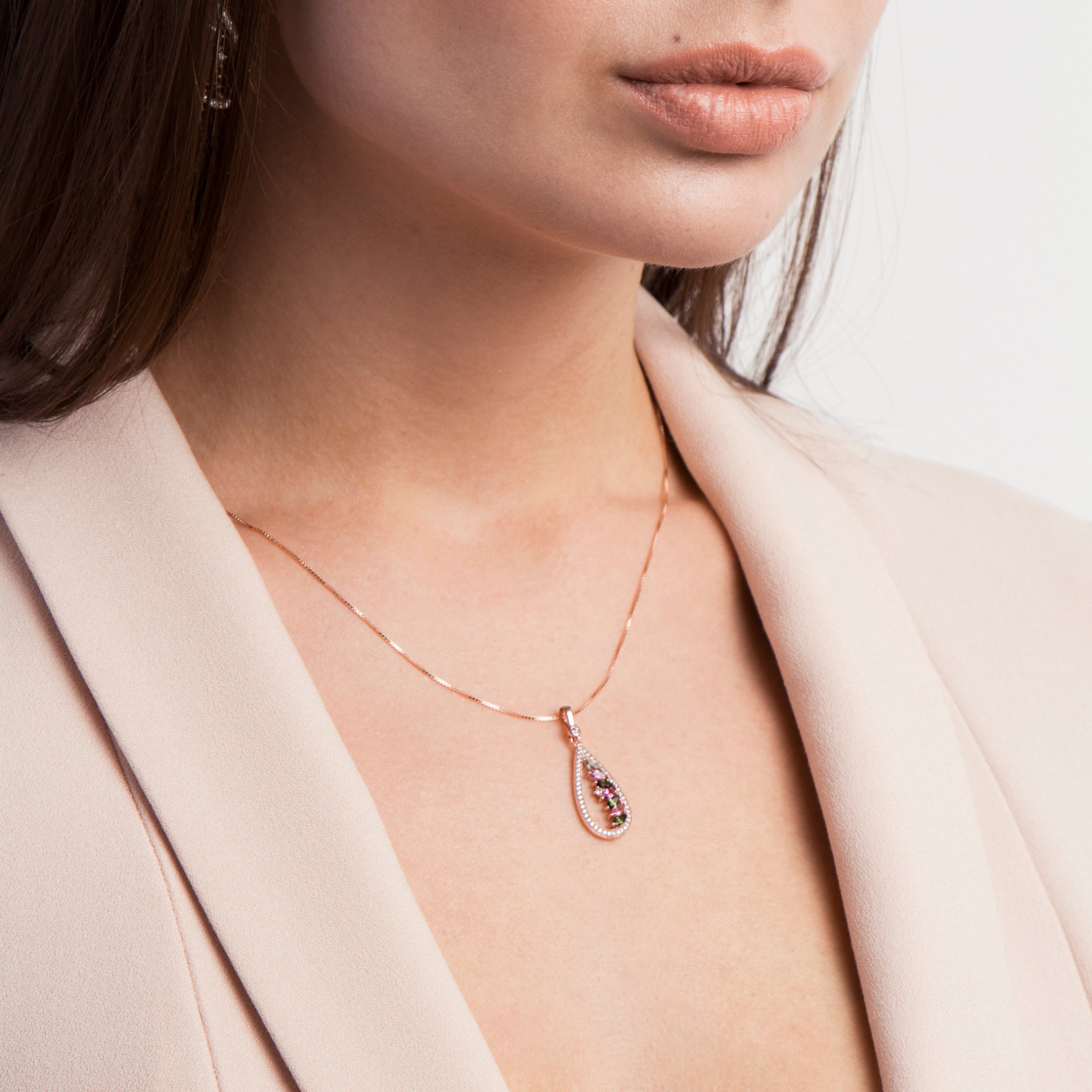
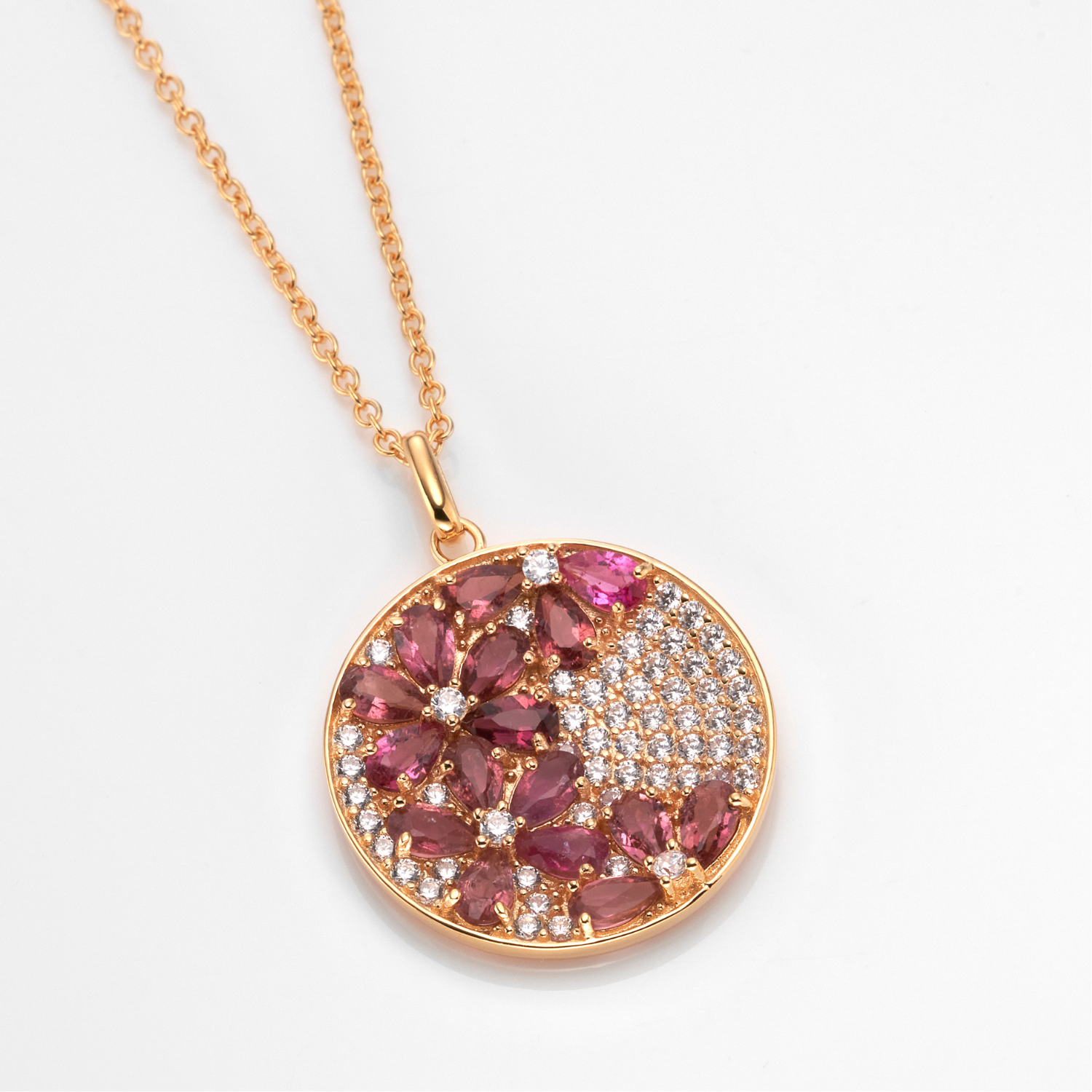
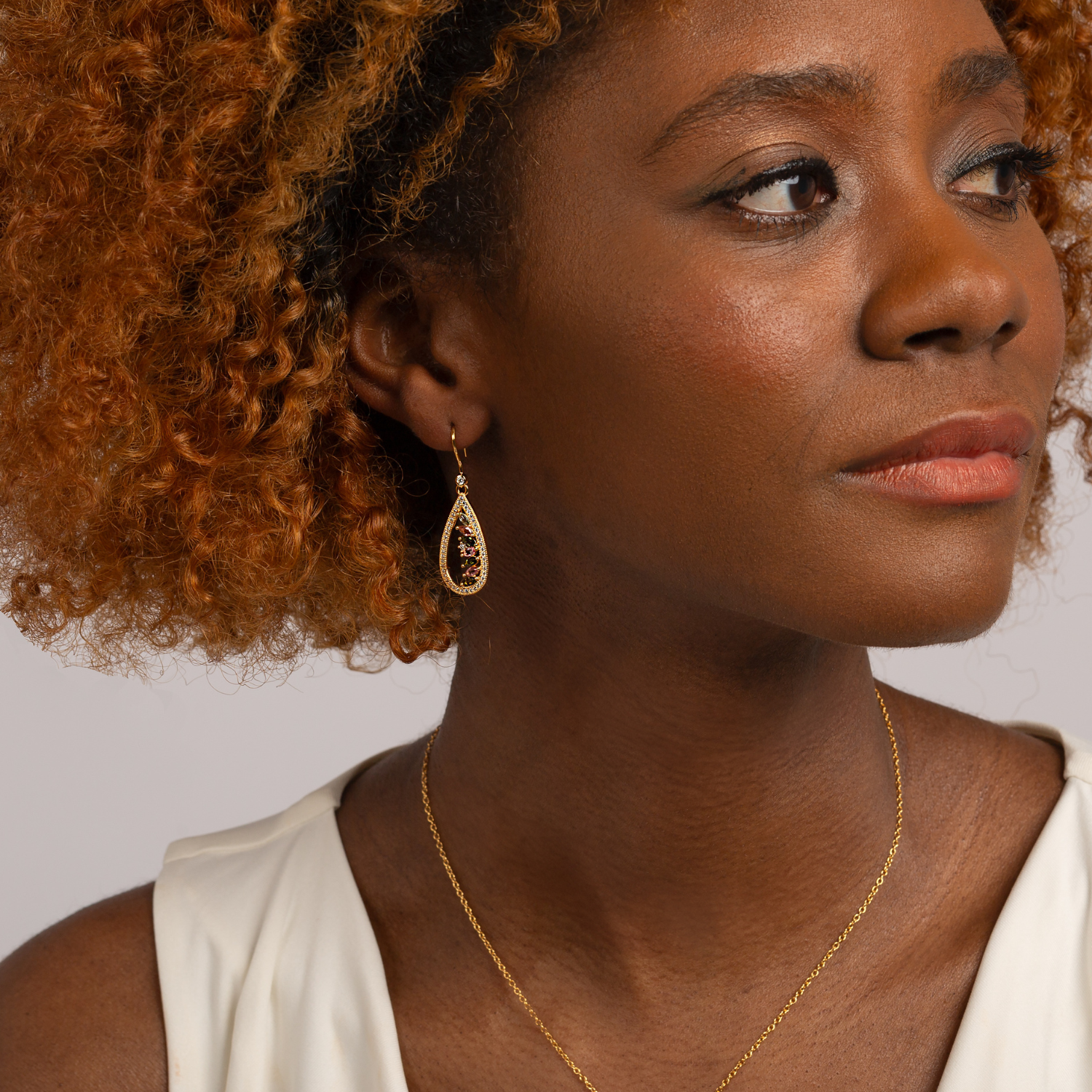
The October birthstone is Tourmaline — a captivating gemstone celebrated for its extraordinary range of colours and expressive beauty. Throughout history, Tourmaline has been associated with creativity, protection and emotional healing, often believed to inspire balance, confidence and positive energy.
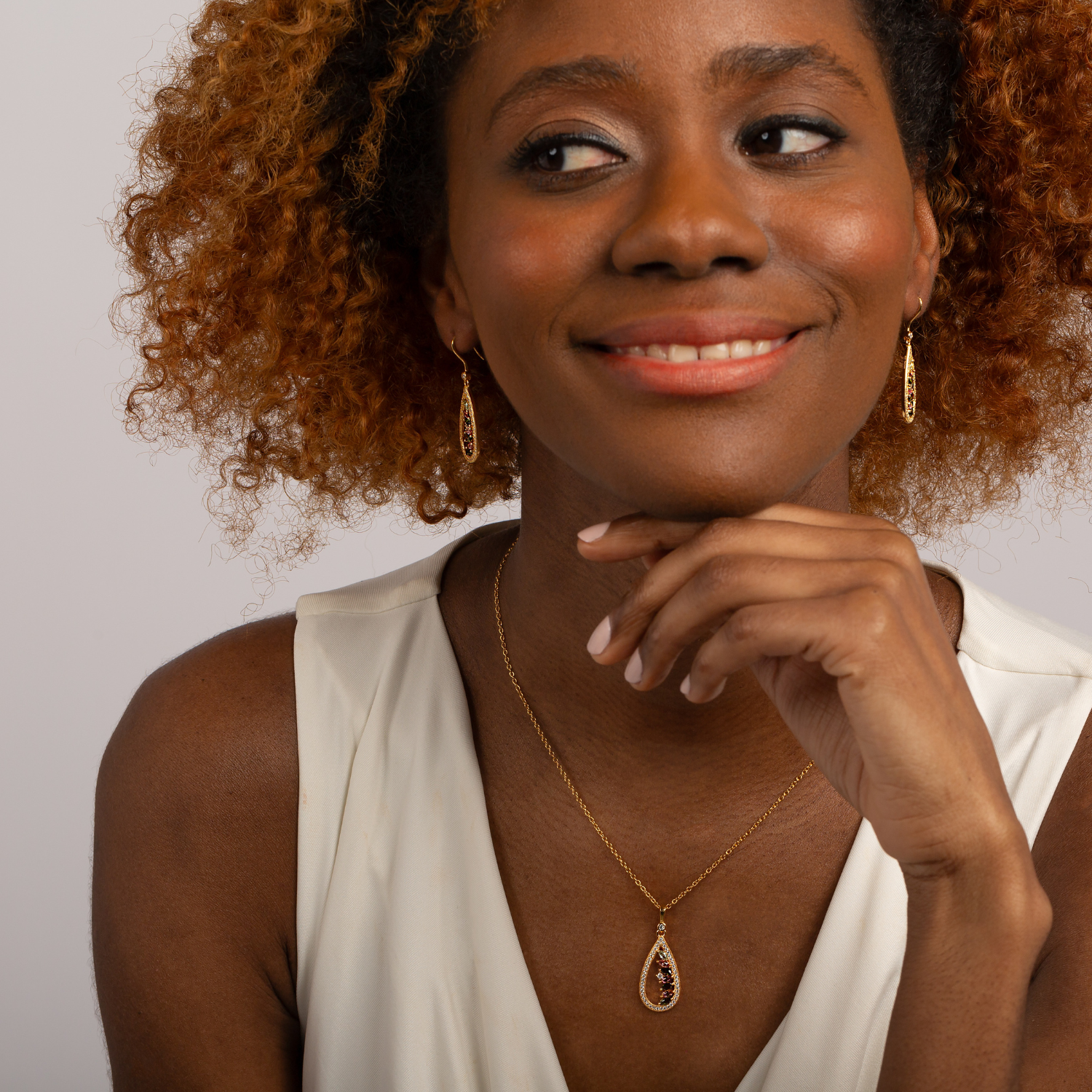
When exploring the October birthstone meaning, Tourmaline symbolises compassion, individuality and emotional harmony. Today, October birthstone jewellery featuring Tourmaline is a meaningful way to celebrate October birthdays, personal milestones and self-expression through colour and individuality.
Frequently asked questions about Tourmaline
1. What is Tourmaline jewellery?
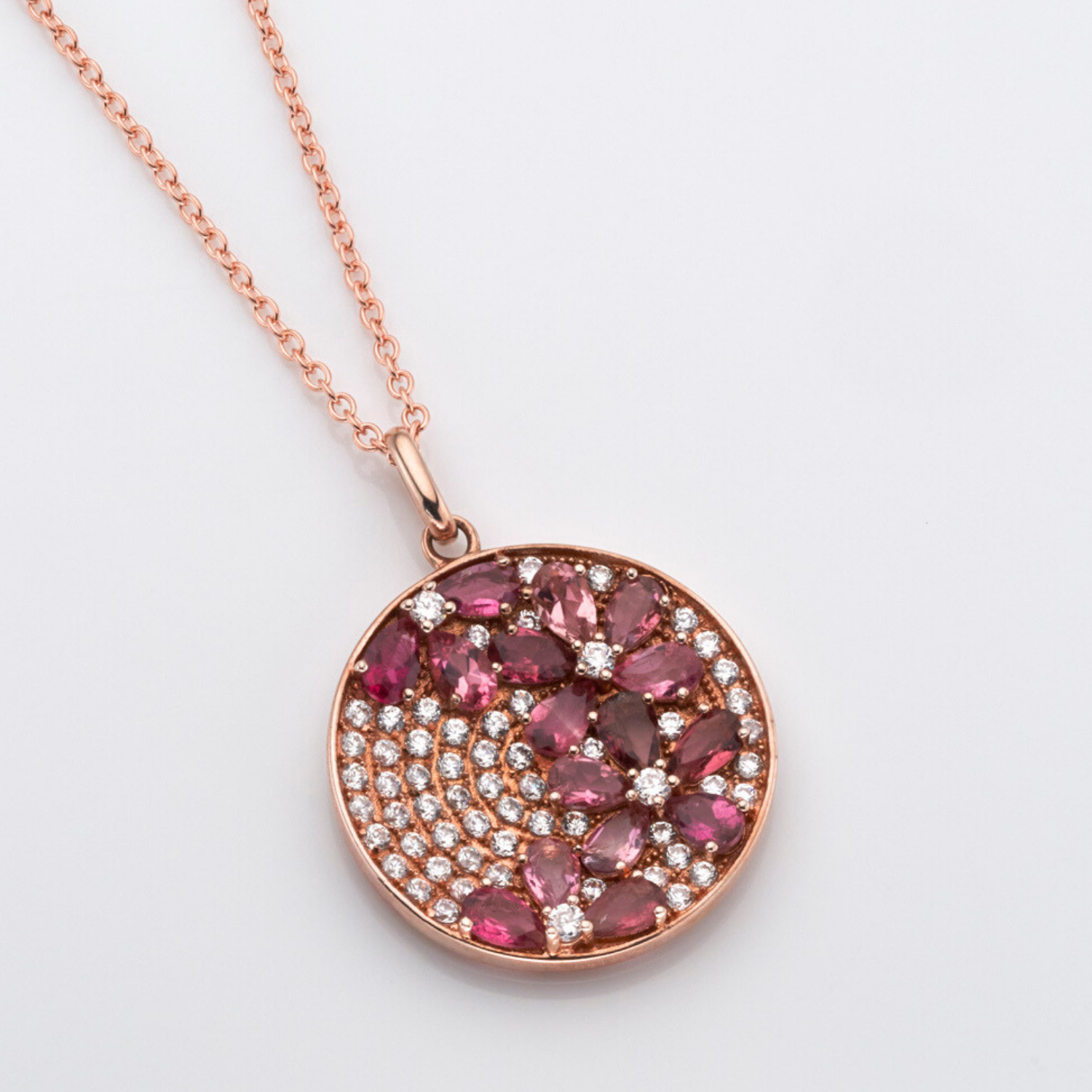
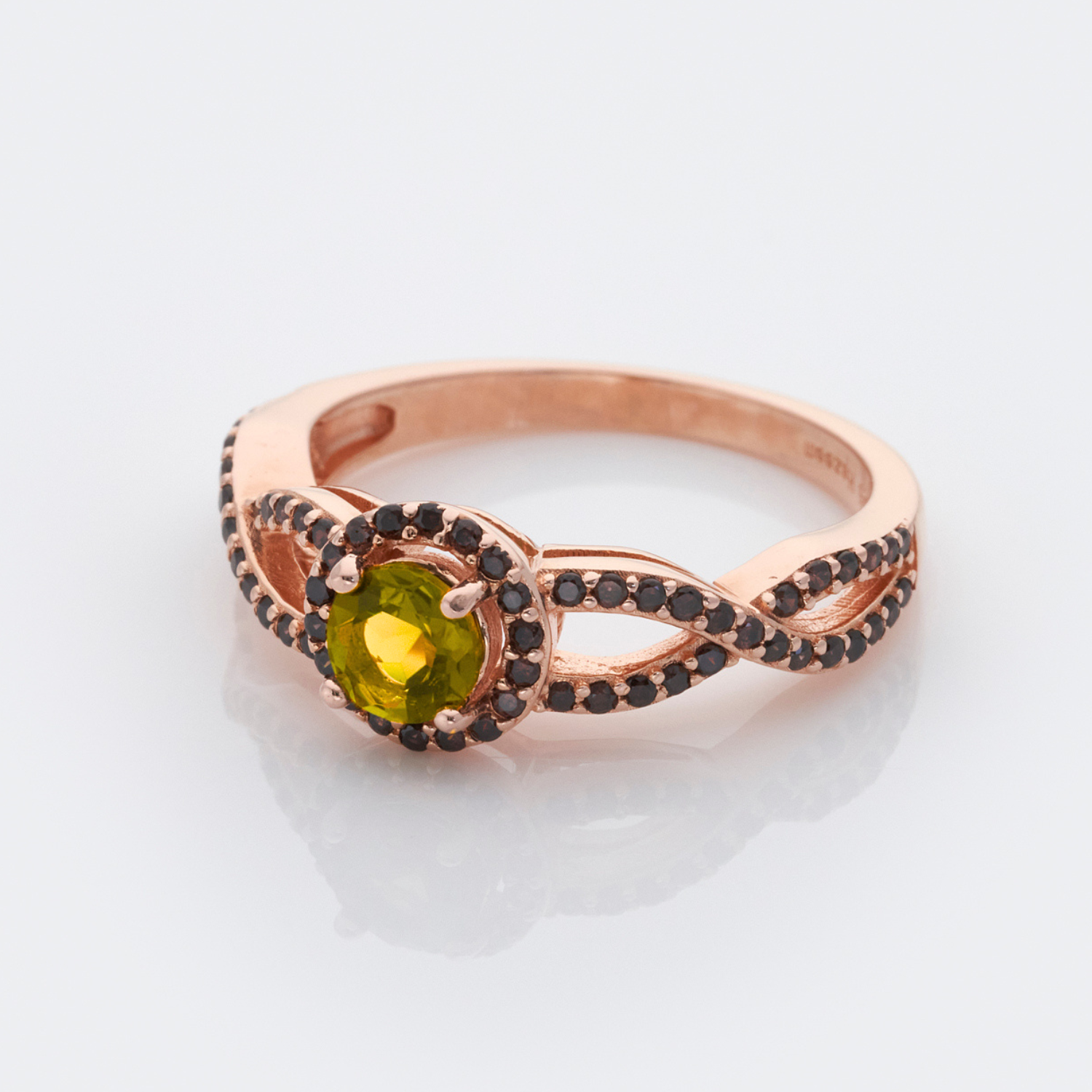
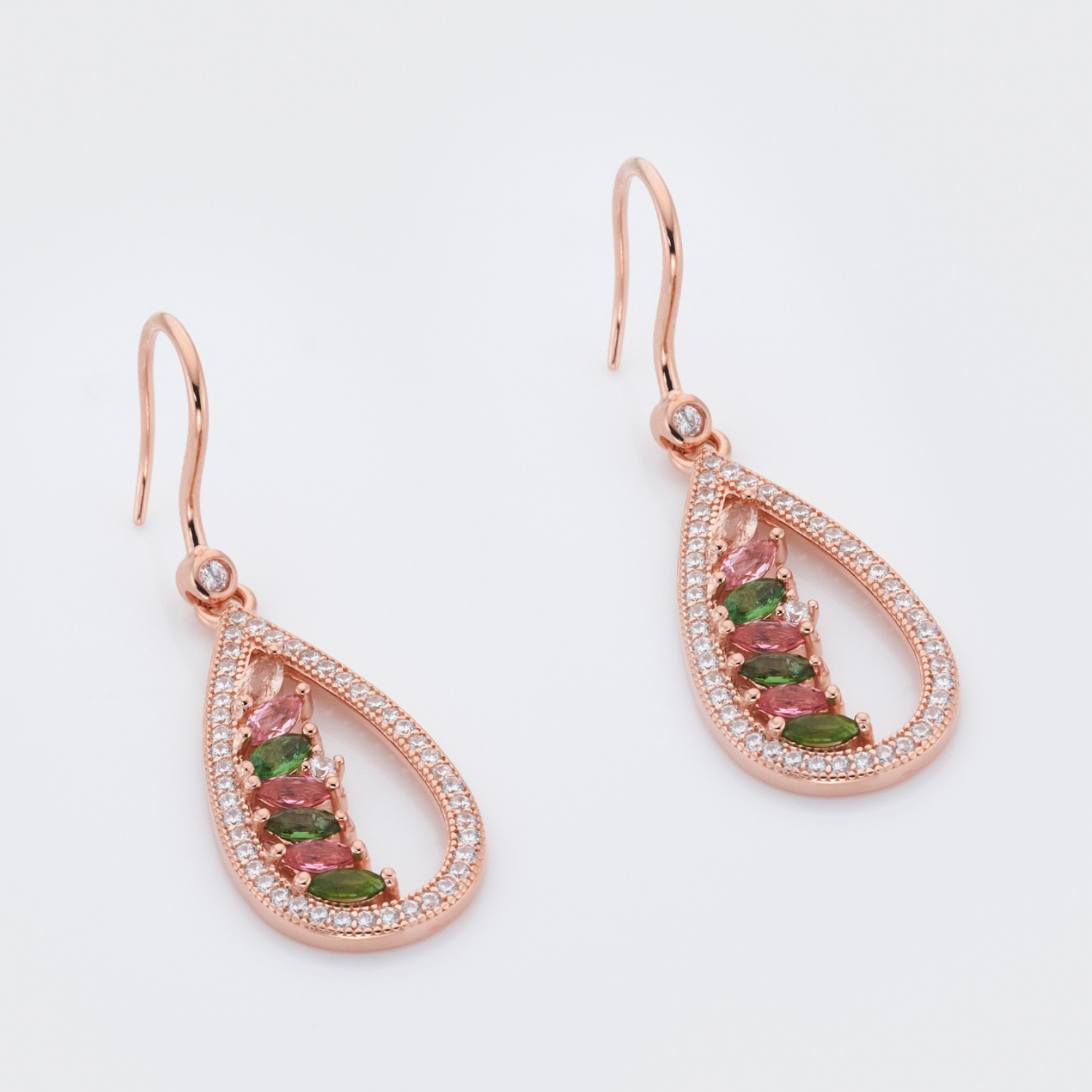
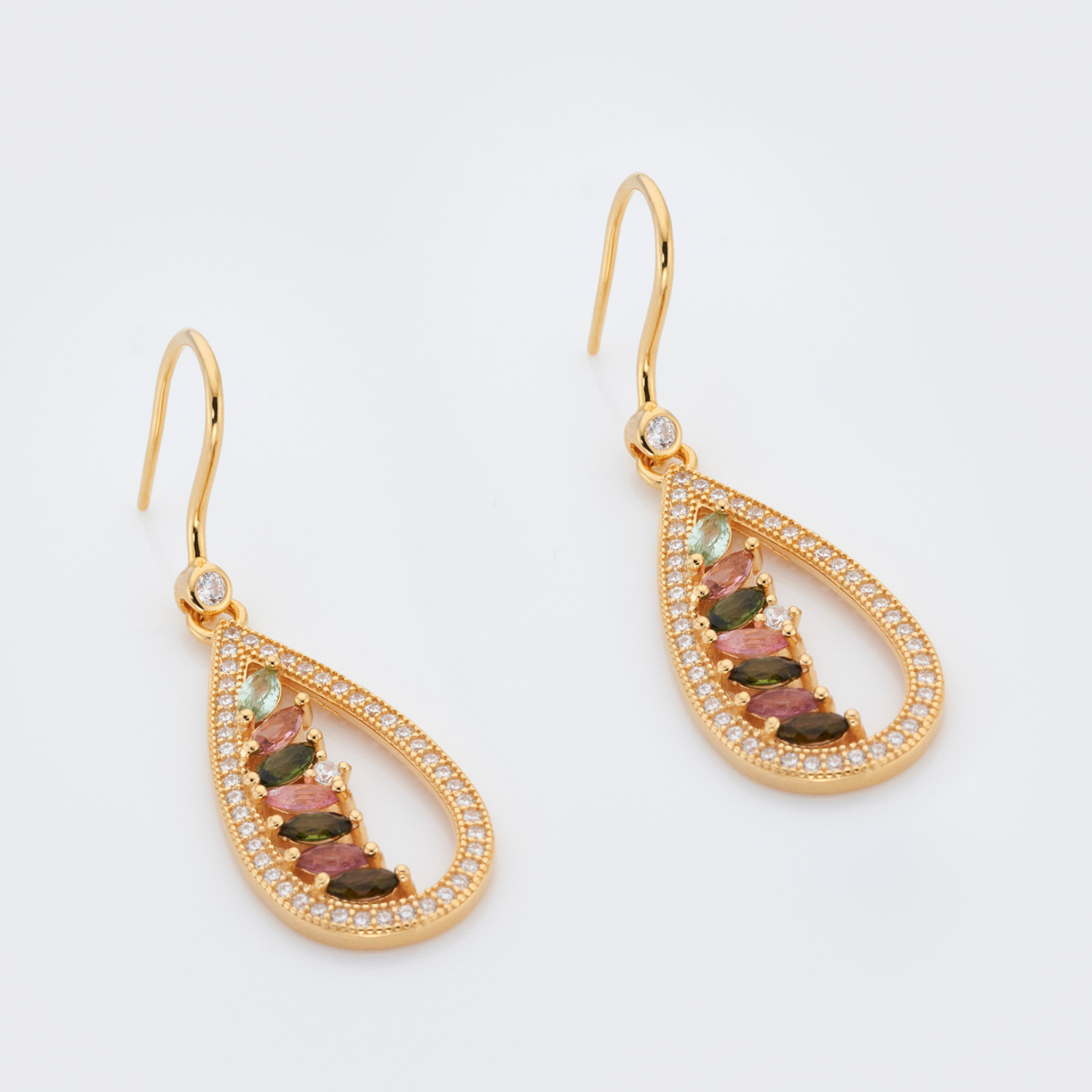
Tourmaline jewellery features a colourful group of boron silicate minerals set into pieces such as rings, necklaces, earrings and bracelets. H.AZEEM London specialises in natural gemstone jewellery crafted primarily in 925 sterling silver, with gold and rose-gold finishes.
2. What colour is Tourmaline?
Tourmaline can be pink, green, blue, red, black or multicoloured. Natural stones can vary in tone, transparency, inclusions and pattern, so an individual piece may not look identical to another or to a sample photograph.
3. Is Tourmaline a natural gemstone?
Yes, Tourmaline occurs naturally. Natural does not always mean untreated, however, so buyers should check the product description for the gemstone identity, treatment information where relevant, and the jewellery metal. Tourmaline's price varies greatly by variety and colour.
4. What does Tourmaline jewellery symbolise?
Tourmaline has traditionally been associated with serenity, balance and creativity. These meanings can make the jewellery personally significant, but they are cultural or spiritual associations rather than scientifically proven medical effects.
5. Is Tourmaline a birthstone or anniversary gemstone?
Tourmaline is recognised as a birthstone for October. It is therefore commonly chosen for October birthdays and eighth wedding anniversaries. Birthstone and anniversary associations vary between traditions, so they should be presented as cultural conventions rather than scientific facts.
6. Is Tourmaline jewellery expensive?
Tourmaline jewellery is available at different price points. The cost depends on the stone's variety, colour, clarity, size, cut, rarity and treatment, together with the metal, craftsmanship and complexity of the finished design. The gemstone name alone is not enough to judge value.
7. How much is Tourmaline worth in the UK?
There is no single UK price for Tourmaline. Loose-stone value depends on quality, size, cut, treatment, origin where reliably established, and market demand; finished jewellery also reflects its metal and craftsmanship. For a formal valuation of an existing piece, consult an independent qualified jewellery valuer or gemologist.
8. Can you wear Tourmaline jewellery every day?
Tourmaline is suitable for regular wear with care, though hard knocks and heat should be avoided. Rings and bracelets experience more contact than earrings and necklaces, so suitability also depends on the setting and the wearer's routine. Remove gemstone jewellery before exercise, cleaning, swimming or manual work.
9. How do you clean Tourmaline jewellery?
Wipe Tourmaline jewellery gently with a clean, soft cloth after wear. Follow the care instructions for the specific product before using water or soap, and avoid bleach, acids, abrasive cleaners and unapproved ultrasonic or steam cleaning. Dry the piece fully before storing it.
10. Can Tourmaline jewellery get wet?
Occasional brief contact with clean water may not immediately damage every Tourmaline piece, but it should not be worn while showering, swimming or bathing. Water, chlorine, salt, soap and repeated moisture can affect the gemstone, setting or plated finish, so remove the jewellery first.
11. How can you tell if Tourmaline jewellery is genuine?
Check whether the seller clearly identifies the stone as natural, laboratory-created, treated or imitation and states the jewellery metal. Photographs and inclusions alone cannot prove authenticity. For a high-value or uncertain piece, professional gemological testing provides the most reliable identification.
12. Does Tourmaline look better in gold or silver?
Tourmaline can work with both gold and silver. Gold normally creates a warmer, richer effect, while sterling silver gives a cooler or more contemporary contrast. The best choice depends on the stone's individual colour, the design and the metals the wearer already prefers.
13. Is Tourmaline jewellery a good gift?
Yes. Tourmaline jewellery can be chosen for its distinctive appearance — pink, green, blue, red, black or multicoloured — its association with serenity, balance and creativity, or its connection with October birthdays and eighth wedding anniversaries. Earrings and necklaces avoid sizing concerns, while a ring can feel more personal when the recipient's size is known.
14. Is Tourmaline suitable for rings?
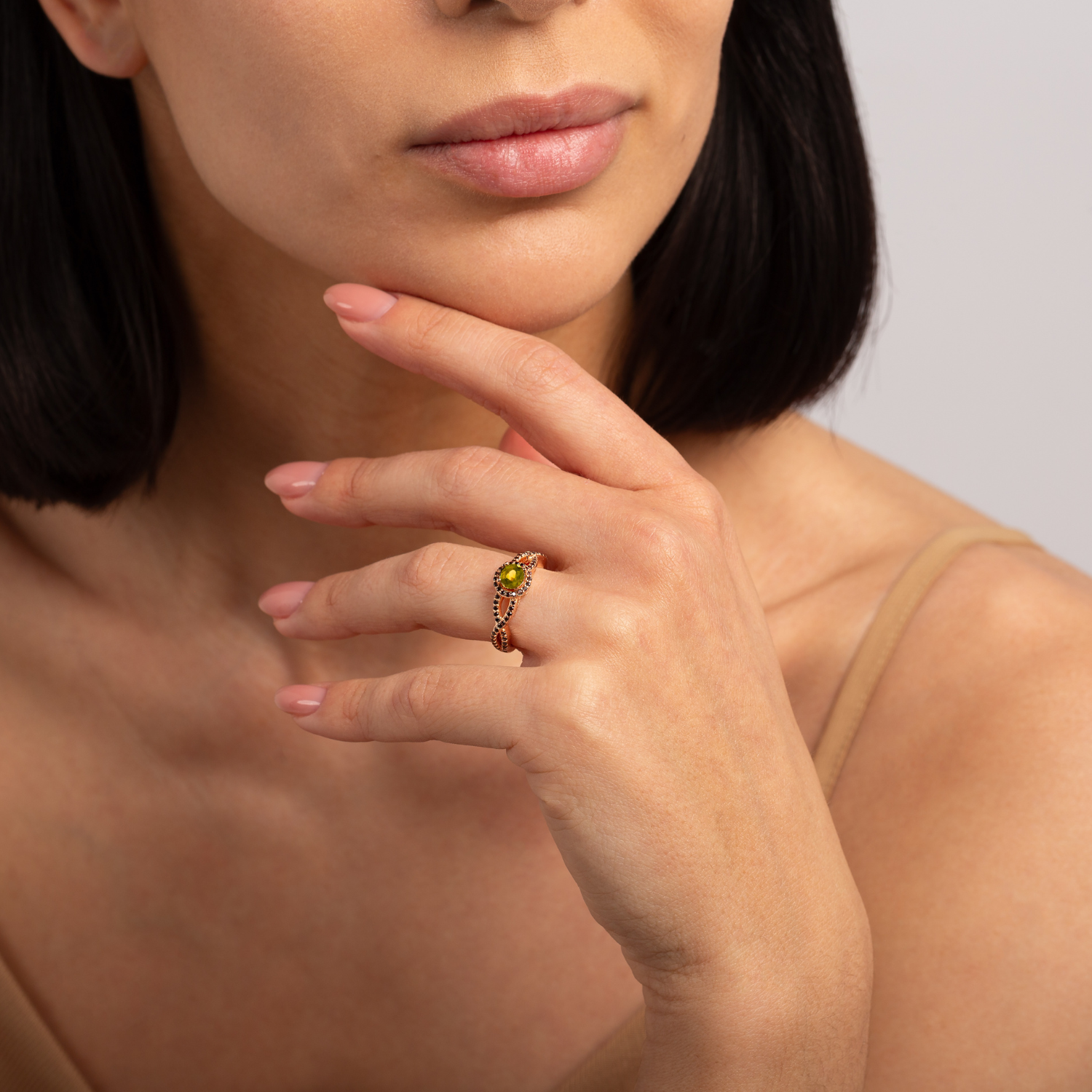
Tourmaline can be worn as rings, but the right setting and care are important. Rings receive more knocks and abrasion than necklaces or earrings, so consider the stone's durability, how exposed it is and whether the ring will be worn daily. Remove it for strenuous or manual activities.
15. What is the difference between Tourmaline and Ametrine?
Tourmaline and Ametrine are quite similar in that they are both multicoloured but the primary difference between tourmaline and ametrine lies in their gemstone species and how their colours are formed. Tourmaline is a complex mineral group known for distinct colour rings, while ametrine is a specific variety of quartz combining two distinct gemstones into one. Reliable identification may require gemological testing rather than visual comparison alone.
Avoid harsh chemicals, ultrasonic cleaners and prolonged exposure to extreme heat. Store Tourmaline pieces separately in a jewellery box or soft pouch to prevent scratches.
With thoughtful care, your October birthstone Tourmaline jewellery will maintain its colour and brilliance over time.