How to Clean and Care for Sterling Silver Gemstone Necklaces
You reach for your favourite silver necklace, only to notice that it does not look quite as bright as it once did. Perhaps the chain has darkened slightly, or the gemstone pendant has lost some of its sparkle.
The good news is that a change in appearance does not necessarily mean your necklace is damaged. Sterling silver can tarnish over time, and everyday residue can leave jewellery looking dull.
However, if your necklace features a natural gemstone, it is worth taking a little extra care before reaching for a cleaning product.
Here is how to clean a silver necklace safely, understand why tarnishing happens and keep your favourite pieces looking their best.
Why Does a Silver Necklace Tarnish?
Sterling silver contains 92.5% silver and 7.5% other metals, usually copper. Over time, silver can react with substances in the environment, including sulphur-containing compounds, leading to a darkened surface known as tarnish.
Moisture, perspiration, cosmetics and some household products can also affect the appearance of jewellery or leave a residue on its surface.
Tarnishing is a normal characteristic of silver. It does not automatically mean that your necklace is poor quality.
Why has my silver necklace turned black?
A silver necklace may turn dark or develop black patches because of tarnishing. The speed at which this happens depends on storage conditions, exposure to chemicals and how frequently the necklace is worn.
If the necklace has a gemstone or a special surface finish, check the care instructions before trying to remove the discolouration.
How to Clean a 925 Sterling Silver Necklace at Home
The safest cleaning method depends on the necklace's materials, setting and finish. For a simple necklace that is suitable for routine dry cleaning, begin with the gentlest approach.
Step 1: Check the materials and care instructions
Before cleaning, establish whether the necklace is sterling silver, silver-plated or finished with an additional coating.
If it features a gemstone, identify the stone where possible. Different gemstones have different care requirements, and some are more sensitive to moisture, heat or chemicals than others.
Step 2: Use a soft jewellery cloth
For light residue and fingerprints, gently wipe the necklace with a clean, soft, lint-free cloth.
Avoid vigorous rubbing, particularly around gemstone settings or delicate links.
Step 3: Check before using water or cleaning solutions
Do not assume that every silver necklace can be immersed in water.
If the manufacturer's instructions permit gentle washing, follow those instructions carefully. Use only an appropriate mild cleaning method and avoid soaking the necklace unnecessarily.
If the piece contains a delicate or porous gemstone, or you are unsure about the setting, ask the jeweller for advice before proceeding.
Step 4: Dry the necklace carefully
If you have used a cleaning method involving water and the jewellery is suitable for it, dry the piece thoroughly with a soft, lint-free cloth.
Pay attention to the chain links and areas around the setting, where moisture can remain.
Step 5: Store it properly
Once the necklace is clean and completely dry, store it in a clean, dry place, preferably in a separate pouch or compartment.
This helps reduce contact with moisture, cosmetics and other jewellery that could scratch or tangle the chain.
How to Clean a Silver Necklace with Gemstones
A silver necklace featuring a natural gemstone needs a little more thought than a plain chain.
Although the silver may tolerate a particular cleaning method, the gemstone or setting may not.
For example, a cleaning product suitable for some robust gemstones may be inappropriate for a softer, porous or treated stone.
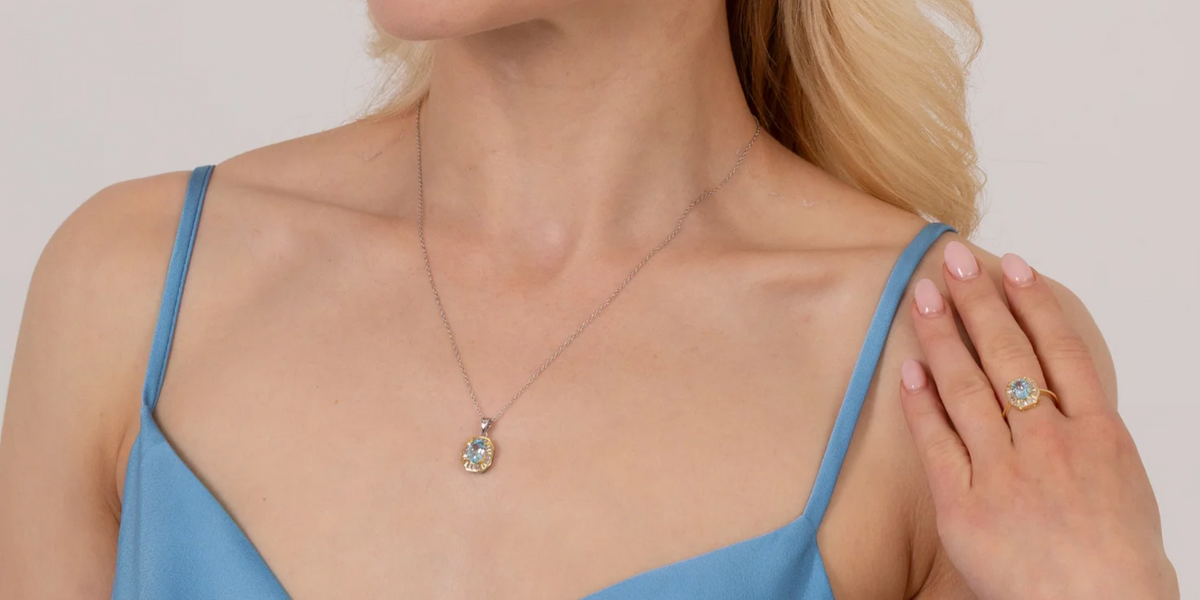
Cleaning a Blue Topaz silver necklace
Blue Topaz is commonly used in gemstone jewellery, but you should still follow the care instructions for your particular piece.
Avoid exposing the necklace to harsh chemicals or sudden temperature changes. Do not use an ultrasonic cleaner unless the jeweller confirms that it is suitable for the gemstone and setting.
Explore H.AZEEM's Blue Topaz jewellery for gemstone designs and inspiration.
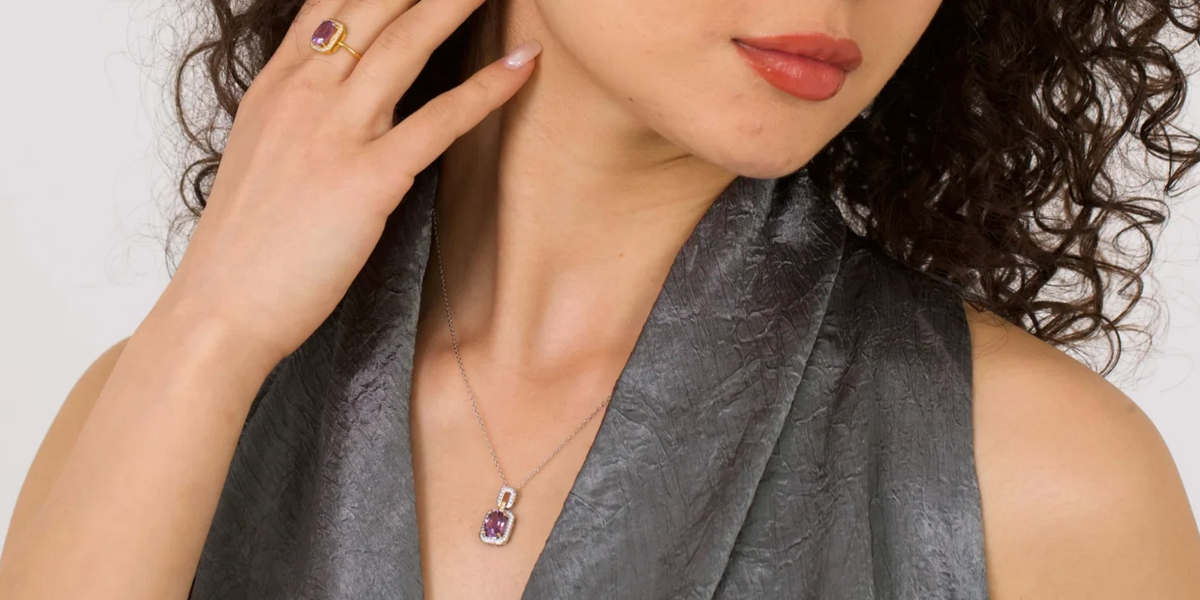
Cleaning an Amethyst silver necklace
Amethyst can be suitable for regular jewellery wear, but it should still be protected from harsh chemicals, excessive heat and rough handling.
Use a gentle cleaning approach recommended for the specific piece, and avoid abrasive materials that could scratch the stone or damage the setting.
Discover the H.AZEEM Amethyst collection.
What about other natural gemstones?
Rose Quartz, Turquoise, Garnet, Citrine and other gemstones can have different care requirements depending on their composition and any treatments they have received.
When in doubt, use a soft, dry cloth and consult the jeweller before using water, chemical cleaners or specialised polishing products.
What Should You Avoid When Cleaning Silver Gemstone Necklaces?
Some popular jewellery-cleaning suggestions are not appropriate for every necklace.
To protect both the metal and the gemstone, avoid the following unless the jeweller specifically confirms that the method is suitable.
Toothpaste and abrasive cleaners
Toothpaste and other abrasive products can scratch jewellery surfaces or damage finishes. They are not a universal solution for tarnished silver.
Bleach and harsh household chemicals
Harsh chemicals may damage the metal, gemstone, setting or surface finish. Keep jewellery away from cleaning products and remove it before household cleaning.
Unverified silver dips and polishing solutions
Some silver-cleaning products can be unsuitable for gemstones, plated finishes or jewellery containing multiple materials. Read the product instructions carefully and check with the jeweller if you are unsure.
Ultrasonic cleaning without professional advice
Ultrasonic cleaners are not suitable for all gemstones or settings. Vibrations can damage certain stones or loosen a setting, so do not use one without confirming suitability.
How to Prevent Silver Necklaces from Tarnishing
Cleaning your necklace is only part of the process. A few simple habits can help reduce tarnishing and keep your jewellery looking its best between wears.
Put jewellery on after getting ready
Perfume, hairspray, moisturiser and other cosmetics can leave residue on jewellery or contribute to discolouration.
Apply your products first and put your necklace on once they have dried.
Remove necklaces before swimming and showering
Water, swimming-pool chemicals, soaps and shampoos can affect jewellery. Removing your necklace before swimming, showering or bathing is a sensible precaution.
Keep jewellery away from household chemicals
Remove necklaces before cleaning or handling chemicals, and avoid storing jewellery next to products that could cause tarnishing.
Store each necklace separately
Chains can easily tangle, while contact with other jewellery can cause scratches.
Fasten the clasp and place each necklace in its own pouch or compartment. A cool, dry storage space is preferable to a humid bathroom.
Give your necklace a gentle wipe after wearing it
A quick wipe with a soft cloth can help remove everyday residue before you put the necklace away.
There is no need to polish your jewellery aggressively after every wear. Gentle, consistent care is usually the better approach.
How Often Should You Clean a Silver Necklace?
There is no single cleaning schedule that suits every necklace.
If you wear a silver necklace frequently, a gentle wipe after wearing it can help keep it looking fresh. More thorough cleaning may only be needed occasionally, depending on how much residue or tarnish has developed.
If your necklace contains natural gemstones, avoid repeatedly using cleaning products simply because you think jewellery needs to be cleaned on a fixed schedule.
Instead, inspect the piece and follow the care guidance for its materials.
When Should You Take Your Silver Necklace to a Jeweller?
Home care is suitable for routine maintenance, but some issues are better left to a professional.
Consider contacting a jeweller if:
-
Tarnish does not improve with an appropriate gentle cleaning method.
-
The gemstone appears loose or the setting has moved.
-
The chain or clasp is damaged.
-
The surface finish appears worn or uneven.
-
You are unsure which cleaning product is safe for the piece.
Professional advice can help prevent a small problem from becoming a more expensive repair.
Frequently Asked Questions About Cleaning Silver Necklaces
How do you clean a tarnished silver necklace?
Start by checking the metal, gemstone and care instructions. For light residue, use a soft, lint-free cloth. If the necklace needs more thorough cleaning, use only a method confirmed as suitable for its materials.
Can I use baking soda to clean a silver necklace?
Baking soda is often suggested as a home remedy, but methods involving abrasive rubbing, boiling water or chemical reactions are not suitable for every necklace. They may damage gemstones, settings or finishes. Check the jeweller's care instructions before trying them.
Can I clean a silver necklace with washing-up liquid?
A mild soap solution may be suitable for some plain sterling silver jewellery, but it is not appropriate for every gemstone or finish. Check the care instructions before using water or soap, and never assume that a necklace containing a natural gemstone can be immersed safely.
Why does my silver necklace tarnish so quickly?
Tarnishing depends on factors such as humidity, exposure to sulphur-containing compounds, perspiration, cosmetics and storage conditions. Keeping the necklace clean and dry and storing it properly can help reduce tarnishing.
Can I wear my sterling silver necklace in the shower?
It is best to remove it before showering. Soap, shampoo and other products may leave residue, and moisture can affect the jewellery over time. Gemstones may have additional care requirements.
How should I store a silver necklace to prevent tarnishing?
Store the necklace clean and dry in a separate pouch or compartment, away from humidity and household chemicals. Avoid leaving it loose with other chains, which can lead to tangling and scratches.
Can all silver gemstone necklaces be cleaned in the same way?
No. The appropriate method depends on the silver, gemstone, setting and finish. Always follow the instructions for the individual piece.
Caring for Your H.AZEEM Silver Necklace
A little care can go a long way towards keeping a favourite necklace looking lovely.
Whether you wear a simple silver chain or a gemstone pendant, gentle cleaning, careful storage and attention to the materials will help you enjoy it for longer.
Explore the H.AZEEM Silver Necklaces collection to discover designs featuring 925 sterling silver and natural gemstones.