Gemstone jewellery

Gemstone jewellery guide

Gemstone jewellery is loved for its vibrant colours, symbolism, and timeless beauty. Each gemstone carries its own meaning and character, making gemstone jewellery a meaningful choice for personal style or thoughtful gifts.

Gemstone jewellery guide: Meanings, Colours and Gemstone Jewellery by Stone

What is Amethyst gemstone?

The Amethyst gemstone is one of the most recognisable gemstones used in jewellery and is admired for its striking purple colour.

What is the colour of the Amethyst gemstone?

Amethyst is known for its purple colour, ranging from pale lavender tones to deep violet shades.

What is the meaning of the Amethyst gemstone?

Amethyst symbolises calm, clarity and emotional balance, making it a gemstone often associated with peace and spiritual awareness.

Explore elegant Amethyst necklaces, Amethyst rings, Amethyst bracelets, Amethyst earrings.

What is Blue Topaz gemstone?

Blue Topaz is a gemstone admired for its cool blue appearance and bright sparkle.

What is the colour of the Blue Topaz gemstone?

Blue Topaz is known for its clear blue colour, often compared to the colour of clear skies or ocean water.

What is the meaning of the Blue Topaz gemstone?

Blue Topaz symbolises clarity, calmness and balance.

Explore stunning Blue Topaz necklaces, Blue Topaz rings, Blue Topaz bracelets, Blue Topaz earrings.

What is Citrine gemstone?

Citrine is a vibrant gemstone admired for its warm golden colour.

What is the colour of the Citrine gemstone?

Citrine is known for its golden yellow to amber colour.

What is the meaning of the Citrine gemstone?

Citrine symbolises optimism, vitality and success.

Explore radiant Citrine necklaces, Citrine rings, Citrine bracelets and Citrine earrings.

What is Druzy Crystal gemstone?

Druzy Crystal is known for its sparkling surface made up of tiny crystals.

What is the colour of Druzy Crystal?

Druzy crystals can appear in silver, blue, rose, or dark tones, depending on the mineral coating.

What is the meaning of Druzy Crystal?

Druzy crystal symbolises energy, positivity and creativity.

Explore unique Druzy necklaces, Druzy rings, Druzy bracelets, Druzy earrings.

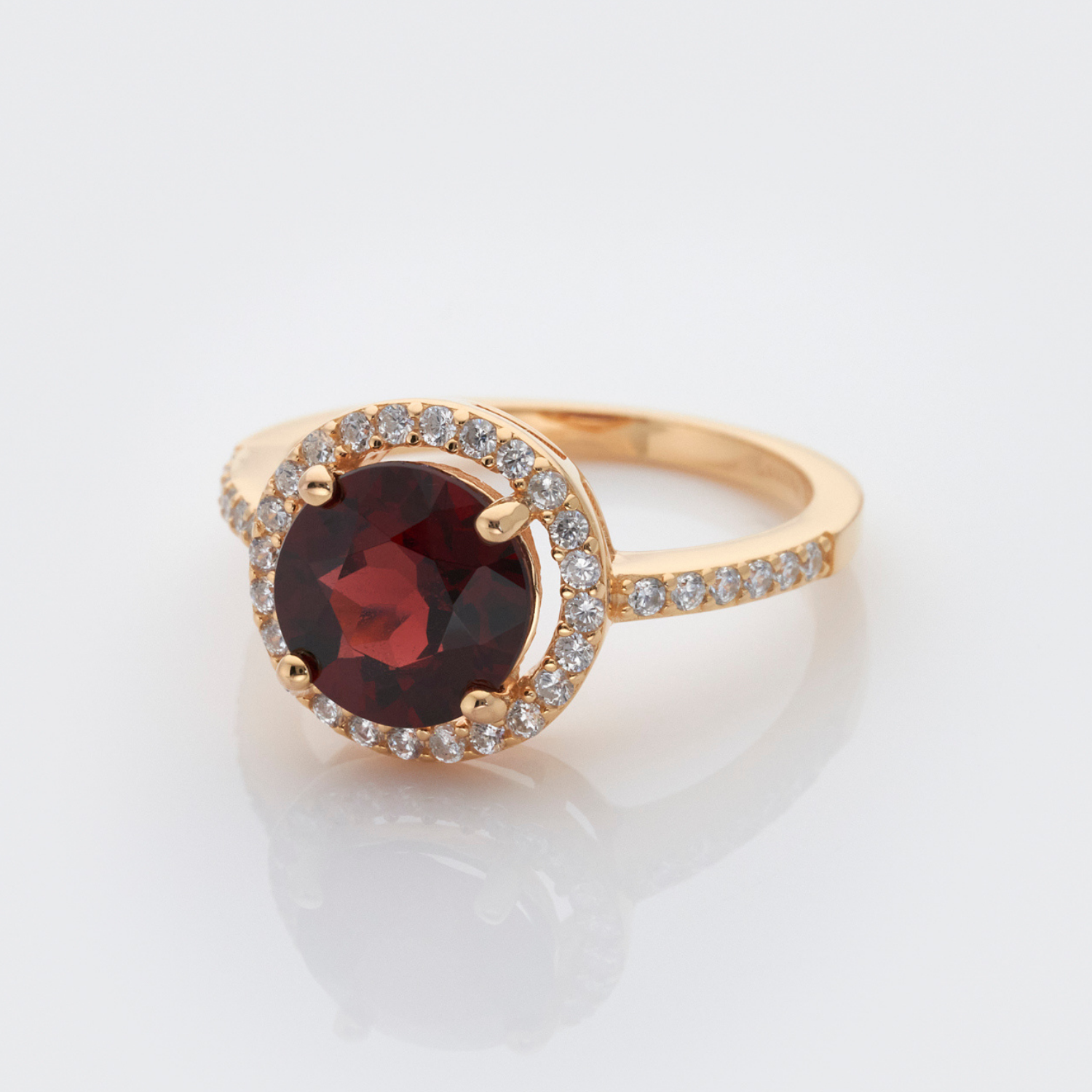
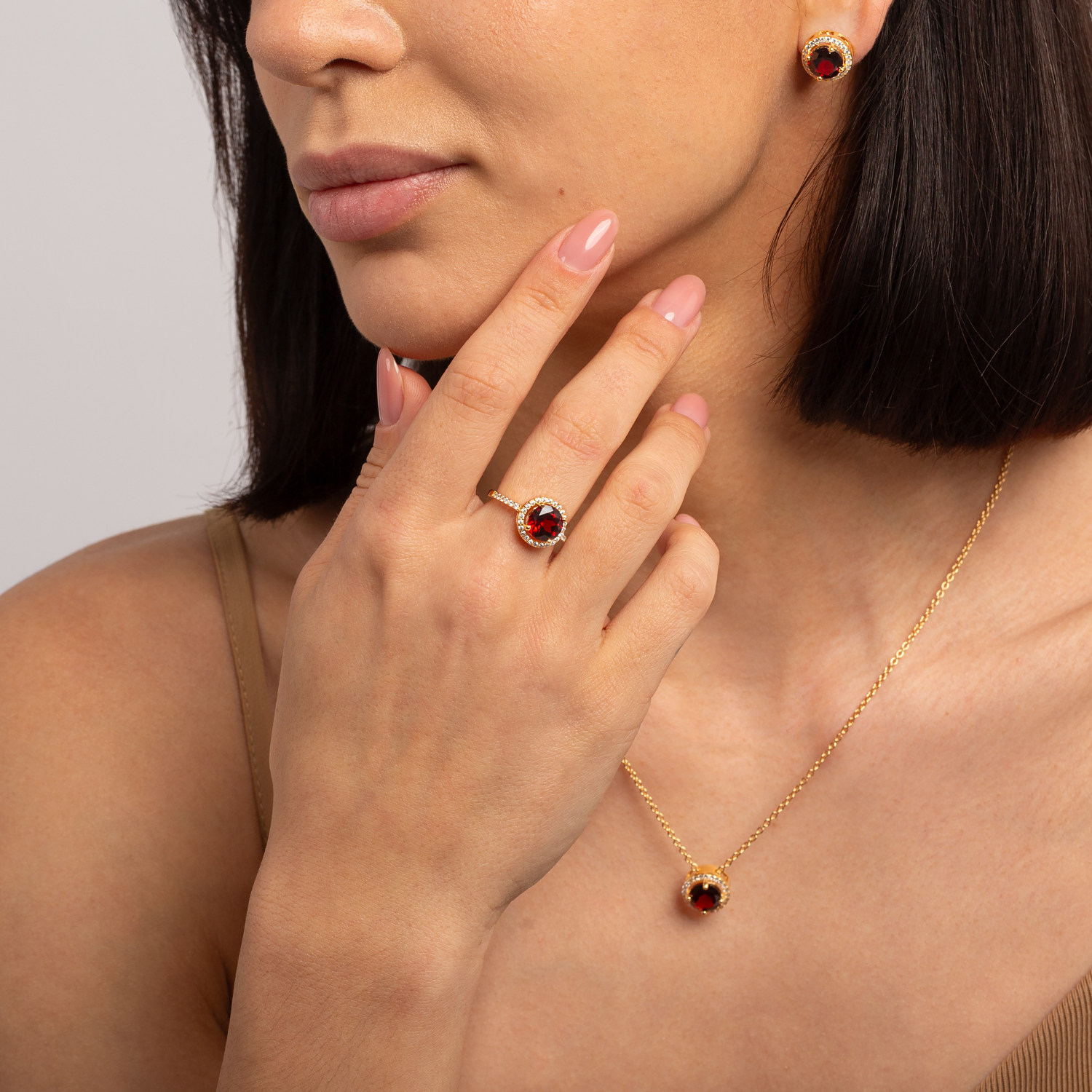
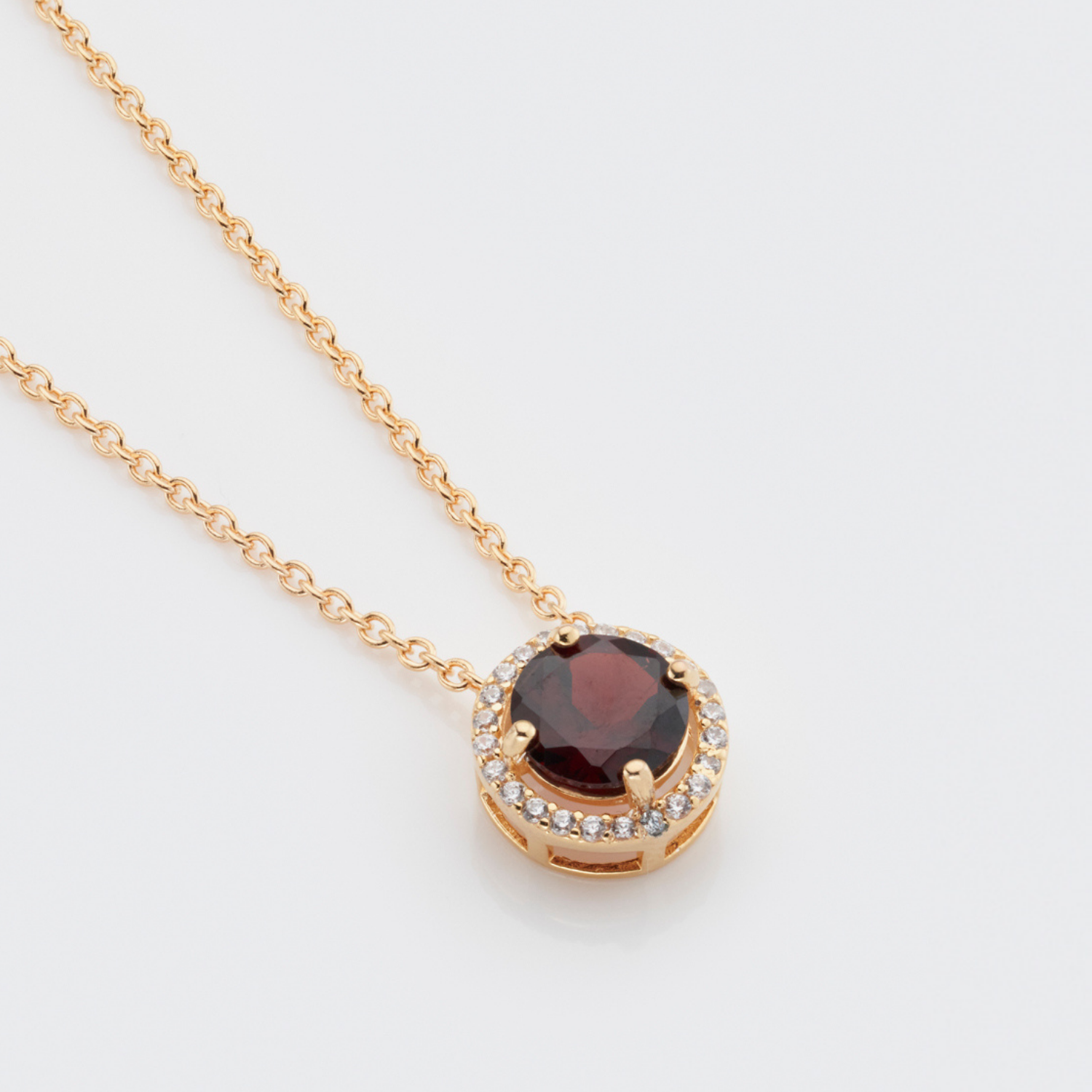
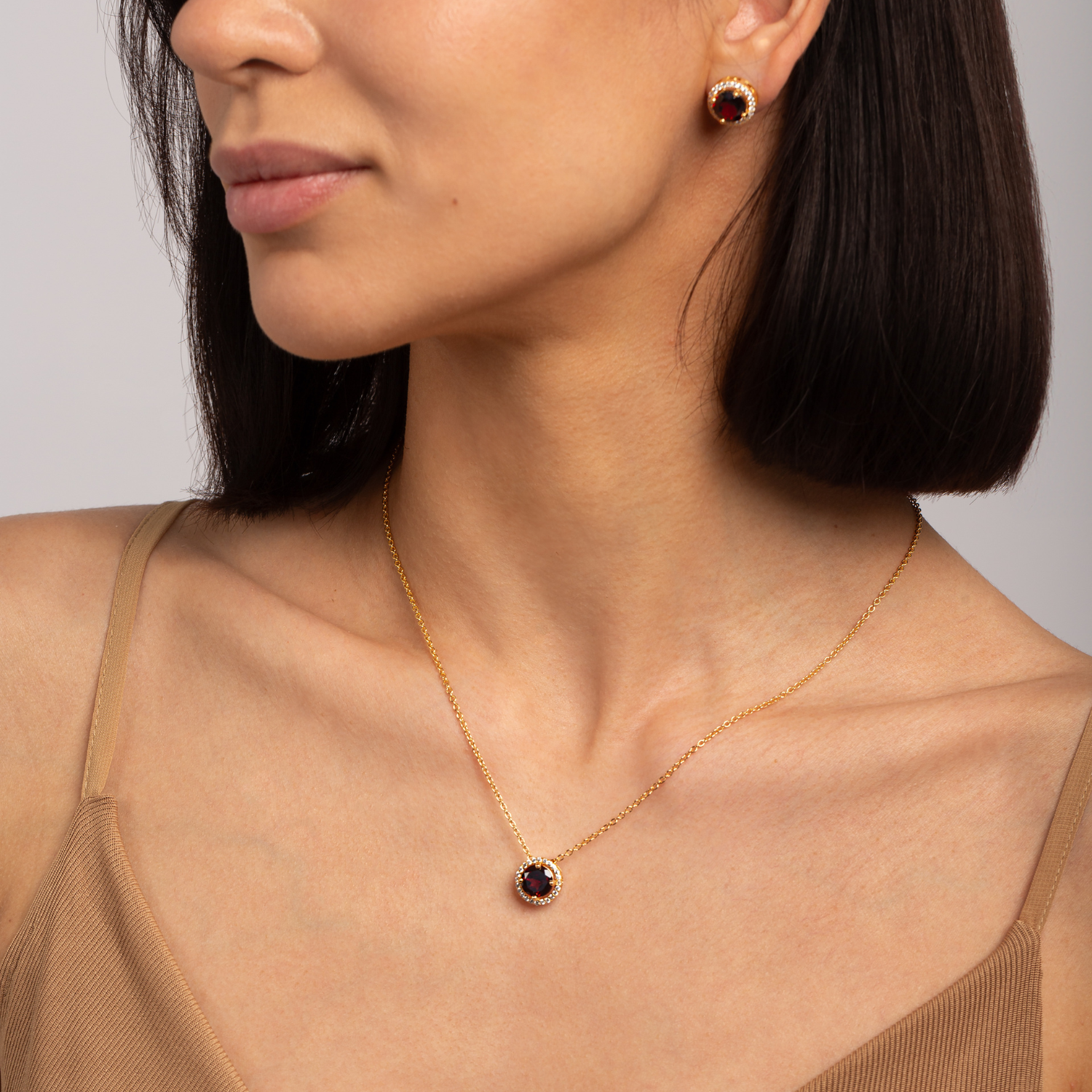
What is Garnet gemstone?

Garnet is a gemstone admired for its deep red colour and rich symbolism.

What is the colour of the Garnet gemstone?

Garnet is most commonly recognised for its deep red colour.

What is the meaning of the Garnet gemstone?

Garnet symbolises strength, passion and protection.

Explore elegant Garnet necklaces, Garnet rings, Garnet bracelets, Garnet earrings, and Garnet brooches.

What is Lapis Lazuli gemstone?

Lapis Lazuli is a striking gemstone known for its rich blue colour.

What is the colour of the Lapis Lazuli gemstone?

Lapis Lazuli displays a deep blue colour, often with gold flecks.

What is the meaning of the Lapis Lazuli gemstone?

Lapis Lazuli symbolises wisdom, truth and self-expression.

Explore beautiful Lapis Lazuli necklaces, Lapis Lazuli rings, Lapis Lazuli earrings.

What is Malachite gemstone?

Malachite is a gemstone admired for its green colour and distinctive patterns.

What is the colour of the Malachite gemstone?

Malachite is known for its rich green colour with banded patterns.

What is the meaning of the Malachite gemstone?

Malachite symbolises growth, transformation and renewal.

Explore striking Malachite necklaces, Malachite rings, Malachite bracelets, Malachite earrings, and Malachite brooches.

What is Opal gemstone?

Opal is a unique gemstone famous for its colourful flashes.

What is the colour of the Opal gemstone?

Opal can display multiple colours including blue, green, pink, and orange.

What is the meaning of the Opal gemstone?

Opal symbolises creativity, inspiration and imagination.

Explore stunning Opal necklaces, Opal rings, Opal bracelets, Opal earrings, and Opal brooches.

What is Pearl gemstone?

Pearls are timeless gemstones formed naturally in oysters.

What is the colour of the Pearl gemstone?

Pearls are typically white or cream with a luminous sheen.

What is the meaning of the Pearl gemstone?

Pearls symbolise purity, clarity and wisdom.

Explore elegant Pearl necklaces, Pearl rings, Pearl bracelets, Pearl earrings.

What is Peridot gemstone?

Peridot is a bright green gemstone admired for its vibrant appearance.

What is the colour of the Peridot gemstone?

Peridot is known for its bright green colour, sometimes appearing olive green.

What is the meaning of the Peridot gemstone?

Peridot symbolises vitality, positivity and protection.

Explore beautiful Peridot necklaces, Peridot rings, Peridot earrings.

What is Rose Quartz gemstone?

Rose Quartz is a gemstone admired for its soft pink tones.

What is the colour of the Rose Quartz gemstone?

Rose Quartz is known for its soft pink colour.

What is the meaning of the Rose Quartz gemstone?

Rose Quartz symbolises love, harmony and emotional balance.

Explore elegant Rose Quartz necklaces, Rose Quartz rings, Rose Quartz bracelets, Rose Quartz earrings.

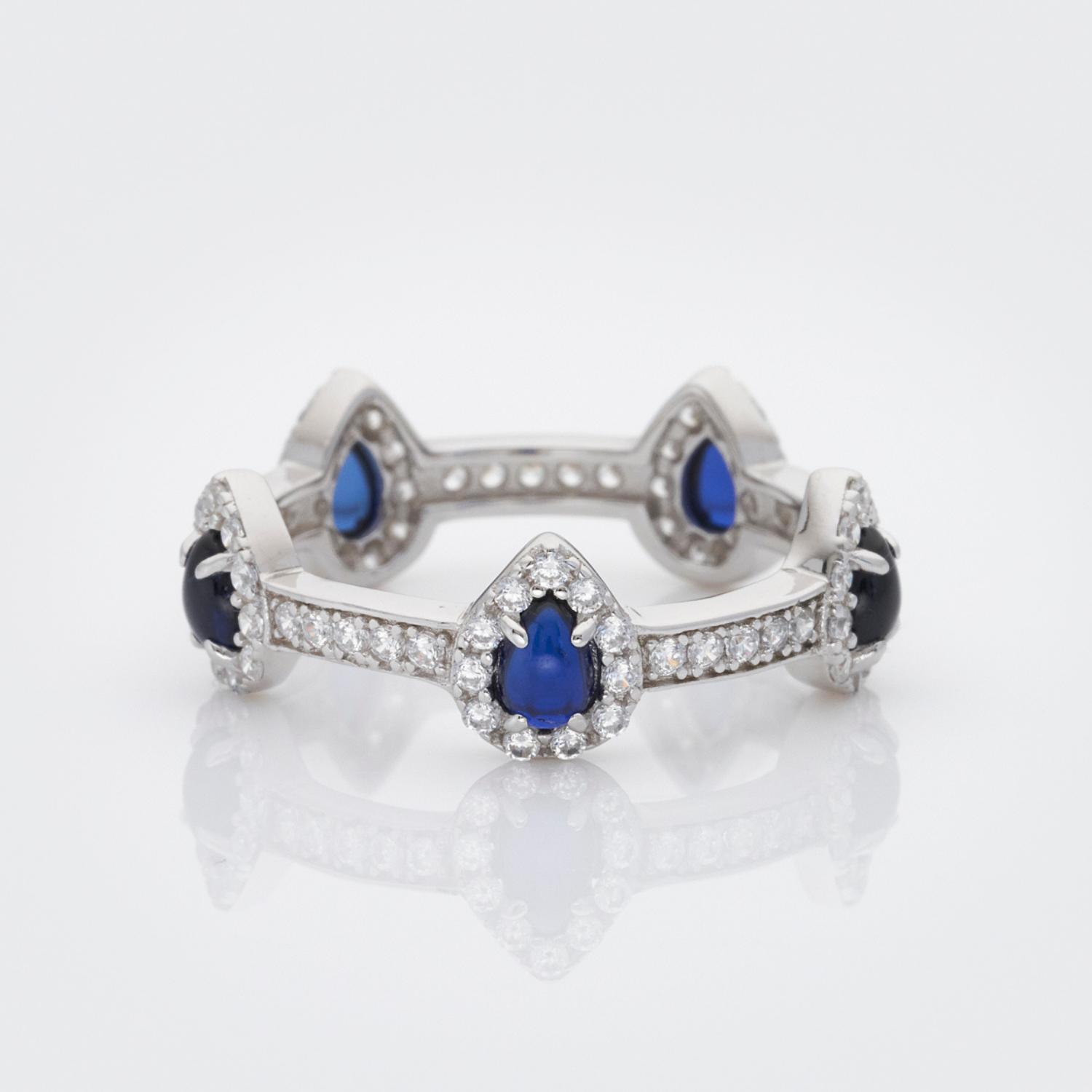
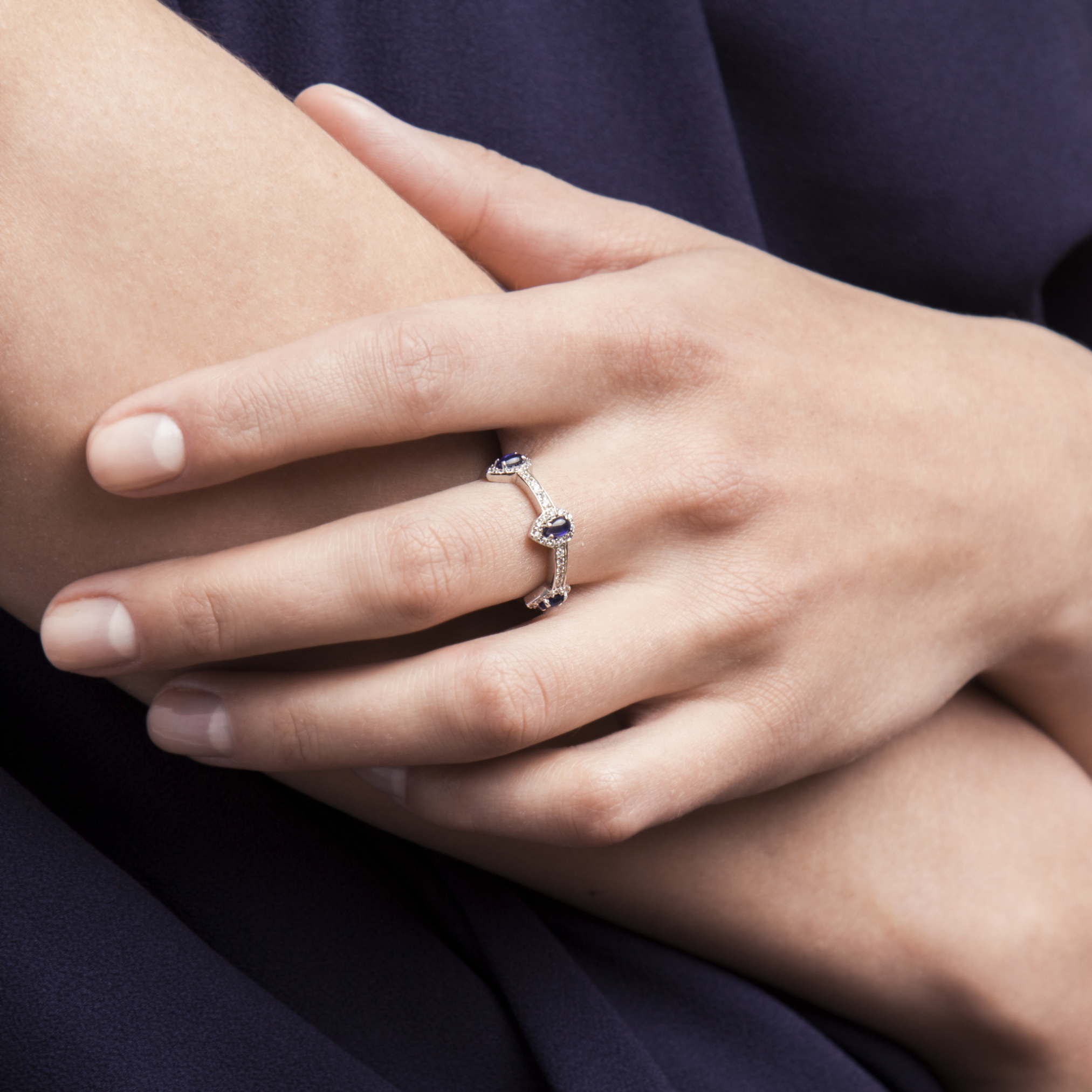
What is Sapphire gemstone?

Sapphire is one of the most famous gemstones used in jewellery.

What is the colour of the Sapphire gemstone?

Sapphire is best known for its deep blue colour.

What is the meaning of the Sapphire gemstone?

Sapphire symbolises wisdom, loyalty and truth.

Explore refined Sapphire necklaces, Sapphire rings, Sapphire bracelets, Sapphire earrings.

What is Smoky Quartz gemstone?

Smoky Quartz is admired for its earthy appearance.

What is the colour of the Smoky Quartz gemstone?

Smoky Quartz is known for its brown to smoky grey colour.

What is the meaning of the Smoky Quartz gemstone?

Smoky Quartz symbolises grounding, stability and protection.

Explore elegant Smoky Quartz necklaces, Smoky Quartz rings, Smoky Quartz bracelets, Smoky Quartz earrings.

What is Tiger Eye gemstone?

Tiger Eye is a gemstone known for its golden-brown shimmer.

What is the colour of the Tiger Eye gemstone?

Tiger Eye displays golden brown bands with a silky sheen.

What is the meaning of the Tiger Eye gemstone?

Tiger Eye symbolises confidence, courage and strength.

Explore striking Tiger Eye necklaces, Tiger Eye rings, Tiger Eye bracelets, Tiger Eye earrings.

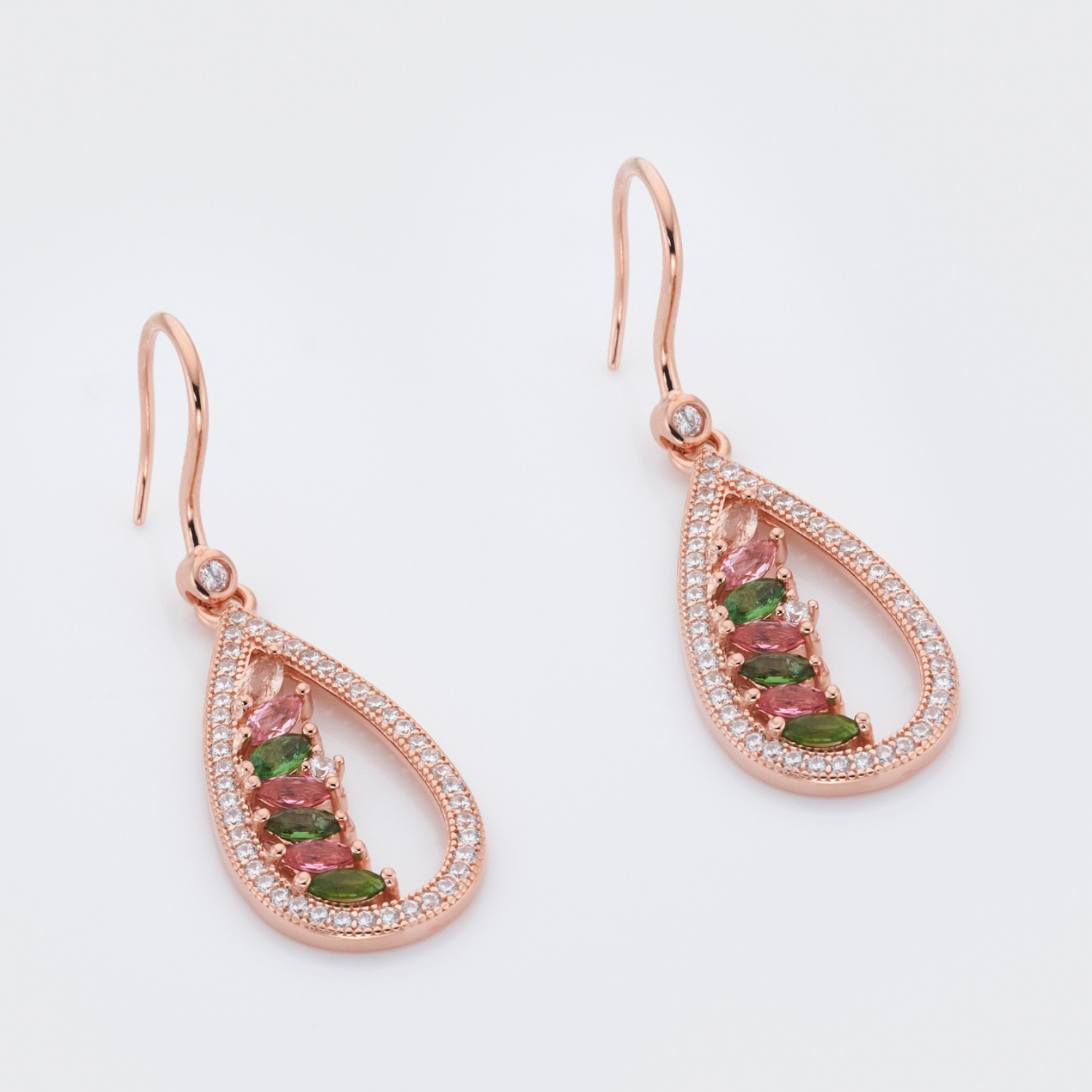
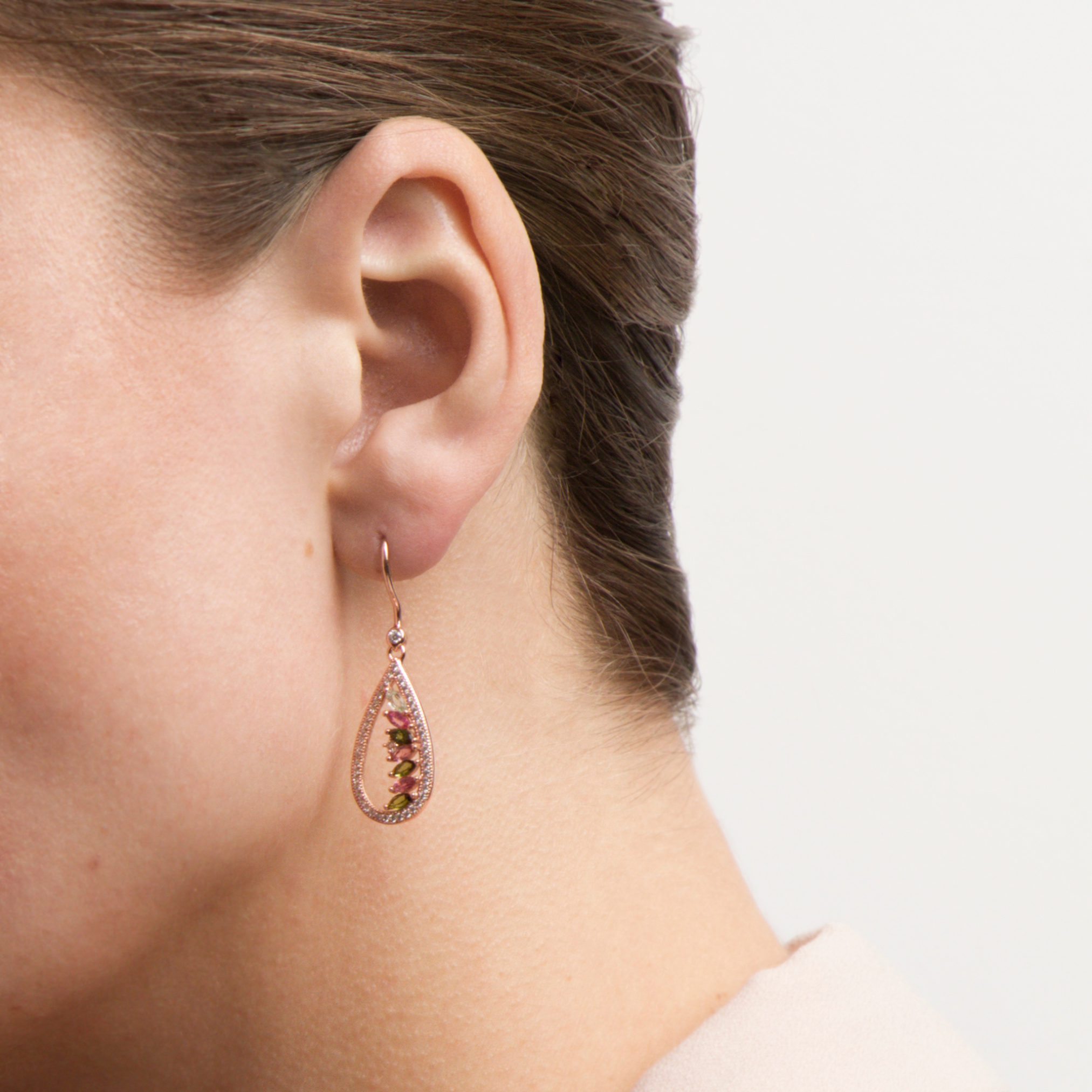
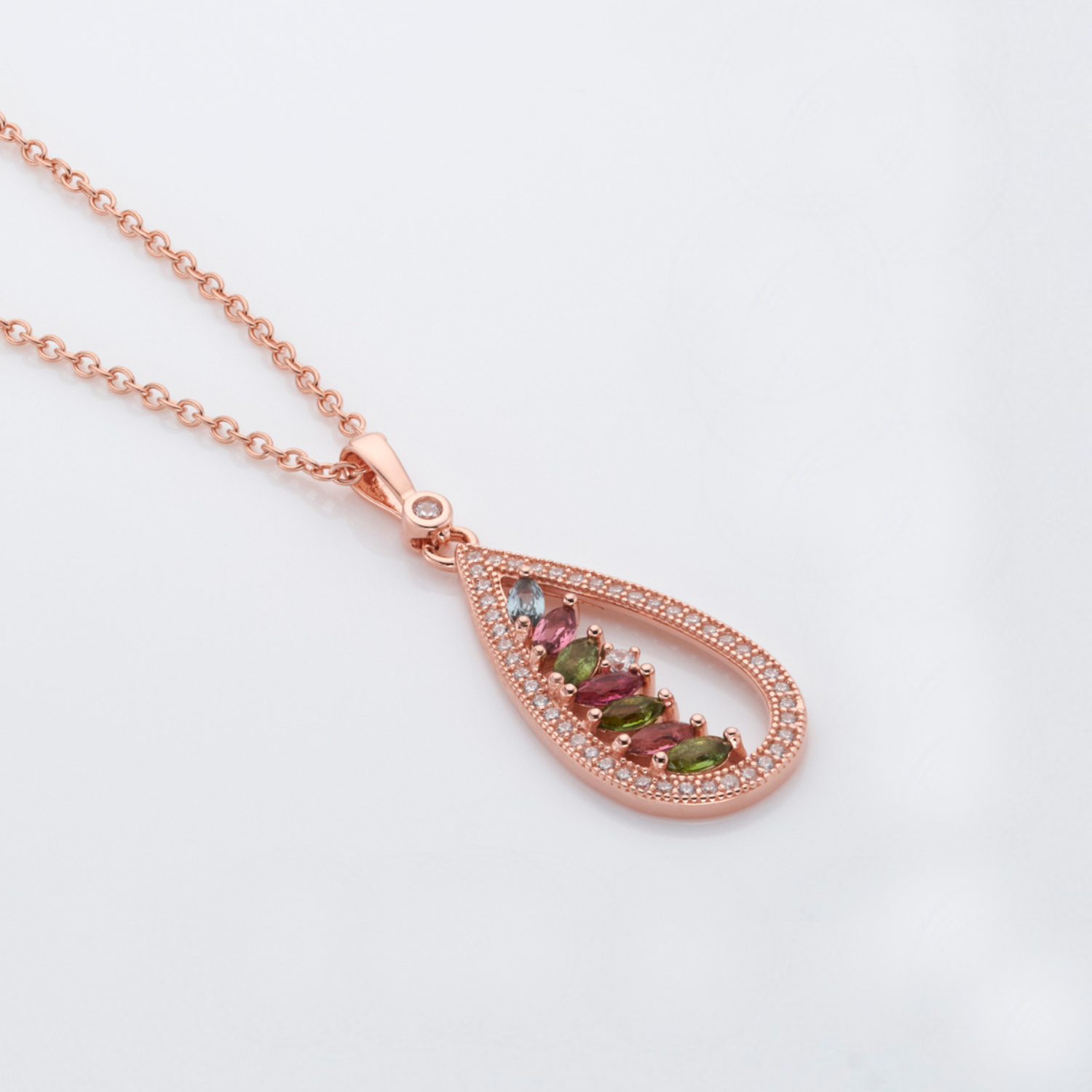
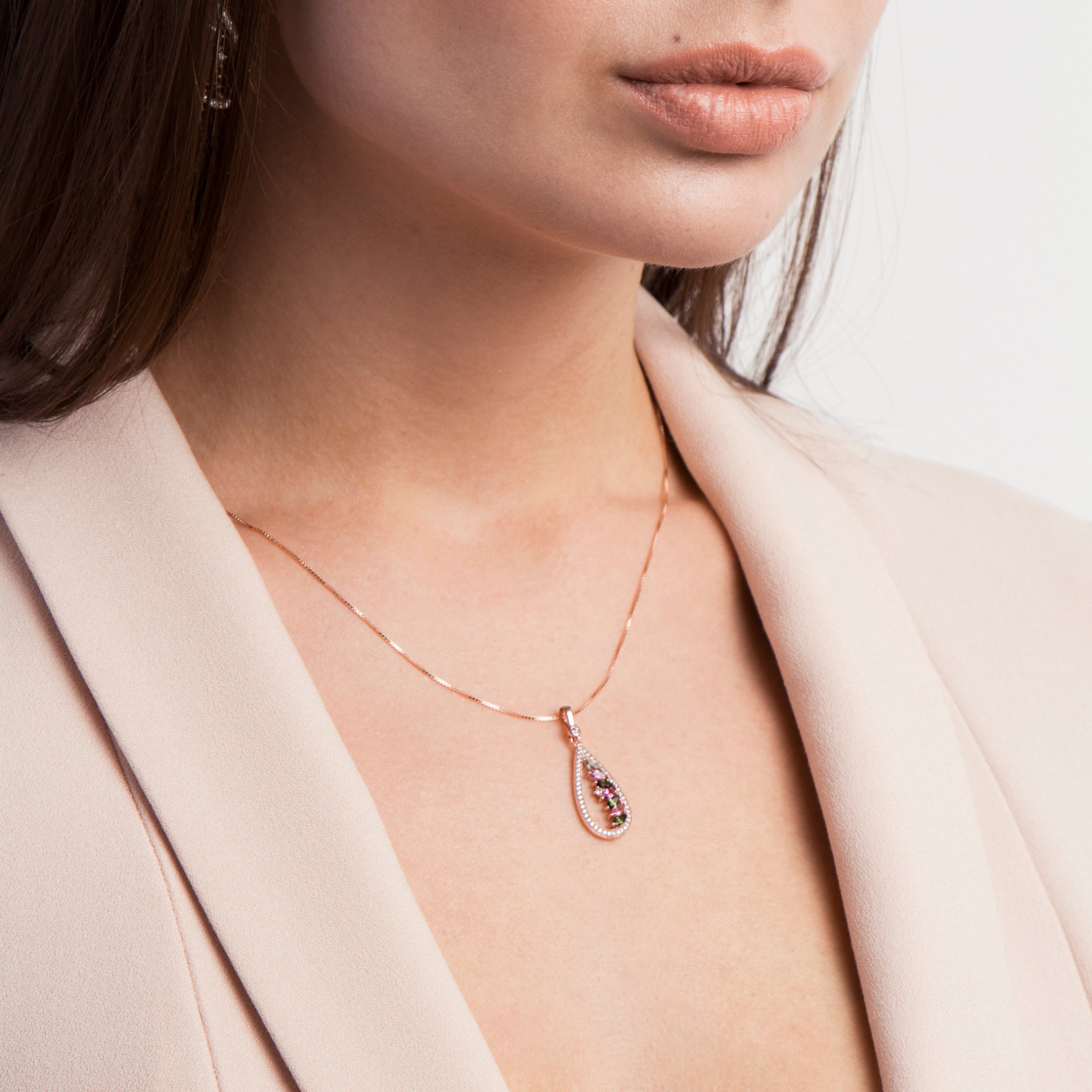
What is Tourmaline gemstone?

Tourmaline is admired for its wide range of colours.

What is the colour of the Tourmaline gemstone?

Tourmaline can appear in pink, green, blue and other colours.

What is the meaning of the Tourmaline gemstone?

Tourmaline symbolises balance, serenity and creativity.

Explore beautiful Tourmaline necklaces, Tourmaline rings, Tourmaline earrings.

What is Turquoise gemstone?

Turquoise is one of the oldest gemstones used in jewellery.

What is the colour of the Turquoise gemstone?

Turquoise is known for its blue to blue-green colour.

What is the meaning of the Turquoise gemstone?

Turquoise symbolises protection, strength and confidence.

Explore elegant Turquoise necklaces, Turquoise rings, Turquoise earrings.

Gemstone meaning chart

Frequently Asked Questions About Natural Gemstone Jewellery

Yes. Natural gemstone rings make great anniversary gifts as wedding, engagement or commitment rings, particularly by people who want colour or personal symbolism. Before choosing one, consider:

  • The gemstone’s durability
  • How frequently the ring will be worn
  • Whether the setting protects the stone
  • The ease of cleaning and maintenance
  • Whether the gemstone has been treated
  • The availability of resizing and repairs

Sapphire is a popular option for frequent wear because of its durability. More delicate gemstones may be better suited to occasional wear or protective settings.

Natural gemstones form under different geological conditions, so their colour, clarity, inclusions and patterns can vary. Even stones from the same gemstone family or source may not look identical. Factors influencing appearance include:

  • Mineral composition
  • Trace elements
  • Crystal structure
  • Inclusions
  • Environmental conditions during formation
  • Cutting and polishing
  • Treatments

This means the gemstone received may show slight differences from a sample photograph. Brands should explain when natural variation is expected and use product images that accurately represent the typical colour and appearance.

Not necessarily. Inclusions are internal features that can form while a gemstone develops. They may appear as small crystals, lines, clouds, cavities or distinctive patterns. Some inclusions affect a gemstone’s clarity, durability or value. Others contribute to its individual appearance. Moss agate, for example, is appreciated for its branch-like and landscape-style internal patterns. An inclusion should be assessed differently from a crack caused by damage. If a visible feature reaches the surface or appears to affect the stone’s stability, ask the jeweller for more information before purchasing.

Yes, many natural gemstone pieces can be worn regularly, but their suitability depends on the gemstone, setting and type of jewellery. Sapphire is generally more resistant to scratching than gemstones such as amethyst, topaz or lapis lazuli. Earrings and necklaces also experience less physical impact than rings and bracelets, making them suitable for a broader range of stones. Even durable gemstone jewellery should be removed before:

  • Sleeping
  • Exercising
  • Cleaning
  • Swimming
  • Showering
  • Gardening
  • Applying perfume or beauty products

Regular wear is possible, but careful handling will help protect both the gemstone and the metal.

Care requirements differ between gemstones, so one cleaning method should not be used for every piece. As a general rule:

  • Store pieces separately to reduce scratching.
  • Keep jewellery away from perfume, hairspray and household chemicals.
  • Remove it before showering, swimming, exercising or cleaning.
  • Wipe it gently with a clean, soft cloth after wearing.
  • Avoid sudden temperature changes.
  • Do not use ultrasonic or steam cleaners unless the gemstone is confirmed as suitable.
  • Follow the care instructions provided for the specific piece.

Pearls, lapis lazuli and some treated or porous gemstones require particularly gentle care. If you are unsure, ask the jeweller before using liquid cleaning products.

Some cultures and spiritual traditions associate gemstones with emotional, symbolic or healing qualities. However, there is insufficient scientific evidence to show that wearing gemstone jewellery can diagnose, treat or cure a medical condition. Gemstone meanings can still hold personal or cultural significance. A person might wear garnet as a symbol of strength or moss agate as a reminder of growth, but these associations should be understood as symbolic rather than medical. Gemstone jewellery should never replace professional medical advice or treatment.

Gemstones have developed symbolic associations through different cultures, historical periods and personal traditions. Their meanings are not universal and should not be presented as scientifically proven health benefits. Common associations include:

Gemstone > Common symbolic association

Garnet > Strength, protection and passion

Amethyst > Calm, clarity and balance

Blue topaz > Communication and self-expression

Moss agate > Growth, grounding and connection to nature

Sapphire > Wisdom, loyalty and integrity

Lapis lazuli > Truth, confidence and insight

Pearl > Purity, wisdom and new beginnings

Many people choose gemstones because of their colour, birth month, personal meaning or connection to an important occasion. Others simply select the stone they find most beautiful.

Natural gemstone jewellery can range from accessible sterling-silver pieces to highly valuable fine jewellery. The final price depends on more than whether the gemstone is natural. Important price factors include:

  • Gemstone type and rarity
  • Colour and clarity
  • Carat weight and dimensions
  • Cut quality
  • Treatments
  • Metal type and weight
  • Plating or finishing
  • Design complexity
  • Craftsmanship
  • Brand and warranty

A natural gemstone does not automatically make a piece expensive. Some stones are more widely available, while rare varieties or stones with exceptional characteristics can command considerably higher prices. Compare the complete piece—including the metal, construction and aftercare—rather than judging value from the gemstone name alone.

Start by checking whether the seller clearly names the gemstone and metal. Descriptions such as “gemstone-inspired”, “crystal-style” or “diamond-like” do not confirm that a design features natural gemstones. Look for:

  • A precise gemstone name
  • Natural, synthetic or imitation disclosure
  • Treatment information where relevant
  • A metal hallmark where applicable
  • Realistic product photography
  • Clear returns and warranty information
  • An established business identity
  • Independent documentation for higher-value gemstones

Price alone cannot prove authenticity. Natural gemstones vary considerably in value depending on their variety, size, quality, cut, colour and treatment. If a gemstone is particularly valuable, obtain an independent assessment from a qualified gemologist or recognised gemological laboratory.

A natural gemstone forms in nature and is later cut and polished for use in jewellery. A synthetic or laboratory-created gemstone is made in a controlled environment. It can have a similar chemical and physical composition to its natural equivalent, but it did not form naturally underground. An imitation gemstone resembles another stone in appearance but does not share the same composition. Coloured glass, for example, may be used to imitate a gemstone. These terms should not be used interchangeably. A synthetic gemstone is not necessarily an imitation, and a treated natural gemstone is not automatically fake. Accurate product descriptions should identify the material clearly.

Sapphire is one of the strongest choices for frequently worn gemstone jewellery because it has good resistance to scratching. Garnet, amethyst and topaz can also be worn regularly when treated with appropriate care. The best choice also depends on the jewellery category:

  • Rings: Choose a durable stone and a setting that protects exposed edges.
  • Earrings: A wider range of stones can be suitable because earrings experience less impact.
  • Necklaces: More delicate gemstones can work well when kept away from perfume and chemicals.
  • Bracelets: Consider durability carefully because bracelets regularly touch desks and other surfaces.

No gemstone is completely damage-proof. Remove gemstone jewellery before exercising, cleaning, swimming or using strong chemicals.

The best gemstone depends on the type of jewellery, how frequently it will be worn and the wearer’s preferred colour and style.

Gemstone > Suitable for > Important consideration

Sapphire > Rings and regular wear > Durable but should still be protected from heavy impact

Garnet > Rings, necklaces and earrings > Available in rich colours; avoid harsh chemicals

Amethyst > Necklaces, earrings and occasional-wear rings > Can be scratched by harder materials

Blue topaz > Rings, pendants and earrings > Requires protection from hard knocks and sudden temperature changes

Moss agate > Distinctive rings, earrings and necklaces > Natural patterns vary significantly between stones

Lapis lazuli > Pendants, earrings and statement jewellery > Softer and more porous than many transparent gemstones

Freshwater pearl > Earrings and necklaces > Sensitive to perfume, cosmetics and chemicals

Rings usually experience more impact than necklaces or earrings. Therefore, durability should be given greater consideration when selecting a gemstone ring for everyday use.

To find natural gemstone jewellery near you, search for independent jewellers, specialist gemstone boutiques and authorised brand stockists in your area. Check the retailer’s website or contact the store before travelling, as individual locations may carry different gemstones and collections. Useful searches include:

  • Natural gemstone jewellery near me
  • Natural gemstone jewellery in London
  • Independent gemstone jewellers near me
  • 925 sterling silver gemstone jewellery
  • Natural gemstone rings near me

If a suitable stockist is unavailable locally, a UK-based online jeweller can provide a wider choice. H.AZEEM London offers natural gemstone jewellery online, allowing customers to compare gemstones, styles and materials before ordering.

Natural gemstone jewellery can be purchased online from established jewellers and specialist gemstone brands. Choose a retailer that provides detailed descriptions rather than relying only on lifestyle photographs or broad terms such as “crystal jewellery”. Before ordering, check:

  • The exact gemstone used
  • Whether the stone is natural or laboratory-created
  • The metal composition
  • Plating or surface finishes
  • Product measurements
  • Delivery and return conditions
  • Warranty information
  • Jewellery-care recommendations

H.AZEEM London offers natural gemstone jewellery online in the UK, including rings, necklaces, earrings and bracelets. Each product page should be checked for the specific gemstone, materials and measurements because these can differ between collections.

Yes. Natural gemstones are real stones formed in nature through geological or biological processes. They are different from synthetic stones, which are created in laboratories, and imitation stones, which are made to resemble another material. However, a natural gemstone may still be treated. Common treatments can include heating, dyeing, oiling or surface enhancement. Treatment does not automatically mean that a gemstone is fake, but the seller should provide accurate material information. Natural stones can contain inclusions, colour zoning and variations in pattern. For example, two pieces of moss agate may have completely different internal markings. These natural differences help make each piece individual. For valuable purchases, request information about treatments and, where appropriate, independent gemological documentation.

Natural gemstone jewellery can be purchased online from established jewellers and specialist gemstone brands. Choose a retailer that provides detailed descriptions rather than relying only on lifestyle photographs or broad terms such as “crystal jewellery”. Before ordering, check:

  • The exact gemstone used
  • Whether the stone is natural or laboratory-created
  • The metal composition
  • Plating or surface finishes
  • Product measurements
  • Delivery and return conditions
  • Warranty information
  • Jewellery-care recommendations

H.AZEEM London offers natural gemstone jewellery online in the UK, including rings, necklaces, earrings and bracelets. Each product page should be checked for the specific gemstone, materials and measurements because these can differ between collections.

There is no single best natural gemstone jewellery brand for every customer. The right choice depends on your preferred style, gemstone, budget and the level of material transparency you expect. A trustworthy brand should clearly identify its gemstones and metals, explain how to care for each piece and provide accessible delivery, returns and warranty information. Original design, craftsmanship and reliable customer service should also be considered. H.AZEEM London may suit shoppers looking for:

  • Natural gemstone jewellery
  • Story-led and historically inspired designs
  • 925 sterling silver jewellery
  • Selected gold-plated finishes
  • Colourful statement and everyday pieces
  • Gemstone jewellery connected to symbolism and storytelling

Rather than relying only on the word “luxury”, compare the actual materials, design details, warranty and construction of each piece.

You can buy natural gemstone jewellery from established UK jewellers, independent jewellery designers and reputable online retailers. Before purchasing, check that the retailer clearly states:

  • The name of the gemstone
  • Whether it is natural, synthetic or imitation
  • The jewellery metal and finish
  • The product dimensions
  • Available care instructions
  • The returns and warranty policies

H.AZEEM London is a British natural gemstone jewellery brand offering rings, necklaces, earrings and bracelets crafted primarily in 925 sterling silver. Its collections combine natural gemstones with designs inspired by history, nature, mythology and cultural stories. When purchasing online, remember that natural gemstones may vary slightly from the product photograph. For stones such as moss agate, these differences are part of their natural character.

Natural gemstone jewellery features stones formed through geological or biological processes rather than manufactured entirely in a laboratory. The stones are extracted, cut and polished before being set into jewellery such as rings, necklaces, earrings and bracelets. A natural gemstone may still be treated to improve its colour, clarity or durability, so “natural” and “untreated” do not mean the same thing. Natural gemstones can also contain variations in colour, inclusions and patterns. These characteristics make each stone individual rather than defective. H.AZEEM London creates jewellery using natural gemstones such as garnet, amethyst, blue topaz, moss agate and lapis lazuli, primarily set in 925 sterling silver. Selected pieces are finished with either 18k or 24k gold plating.

Many gemstones are associated with symbolic meanings. For example, Garnet symbolises protection, Sapphire symbolises wisdom, and Amethyst is associated with calm and clarity.

Some of the most popular gemstones used in jewellery include Amethyst, Sapphire, Garnet, Citrine, and Turquoise because of their vibrant colours and symbolic meanings.

People often choose gemstone jewellery based on colour, meaning, birthstone associations, or personal style.