Bracelet, Bangle or Cuff? Find the Style That Suits You
Shopping for wrist jewellery can feel straightforward until you start comparing the different styles. You might come across a delicate chain bracelet, a structured silver bangle and an open cuff, and wonder which one is right for you.
Although these styles are often grouped together, they differ in how they are constructed, how you put them on and how they sit on your wrist.
If you are deciding between a bracelet, bangle or cuff, understanding these differences can help you find a piece that feels comfortable, suits your personal style and works with the way you like to wear jewellery.
Let's start with the basics.
What Is the Difference Between a Bracelet, Bangle and Cuff?
The simplest distinction comes down to structure.
A bracelet is the broad category of wrist jewellery and often refers to a flexible chain or linked design secured with a clasp.
A bangle is usually a rigid or semi-rigid design that holds its shape, often forming a closed circle or oval.
A cuff is an open-ended design with a gap that allows it to be placed around the wrist from the side.
Here is a quick comparison:
|
Feature |
Cuff |
||
|
Typical structure |
Flexible chain or linked design |
Rigid or semi-rigid |
Open-ended, often structured |
|
How you put it on |
Usually fastens with a clasp |
Slides over the hand or opens on a hinge |
Placed around the wrist through its opening |
|
How it moves |
Often follows the movement of your wrist |
Generally holds its shape |
Generally holds its shape, depending on design |
|
Main fit consideration |
Wrist measurement and clasp |
Hand measurement for slip-on styles; inner dimensions |
Wrist measurement, inner dimensions and opening |
|
Overall look |
Delicate to statement-making |
Structured and defined |
Contemporary and sculptural |
These are typical differences rather than strict rules. Jewellery designs vary, so it is always worth checking the individual product description.
What Is a Bracelet?
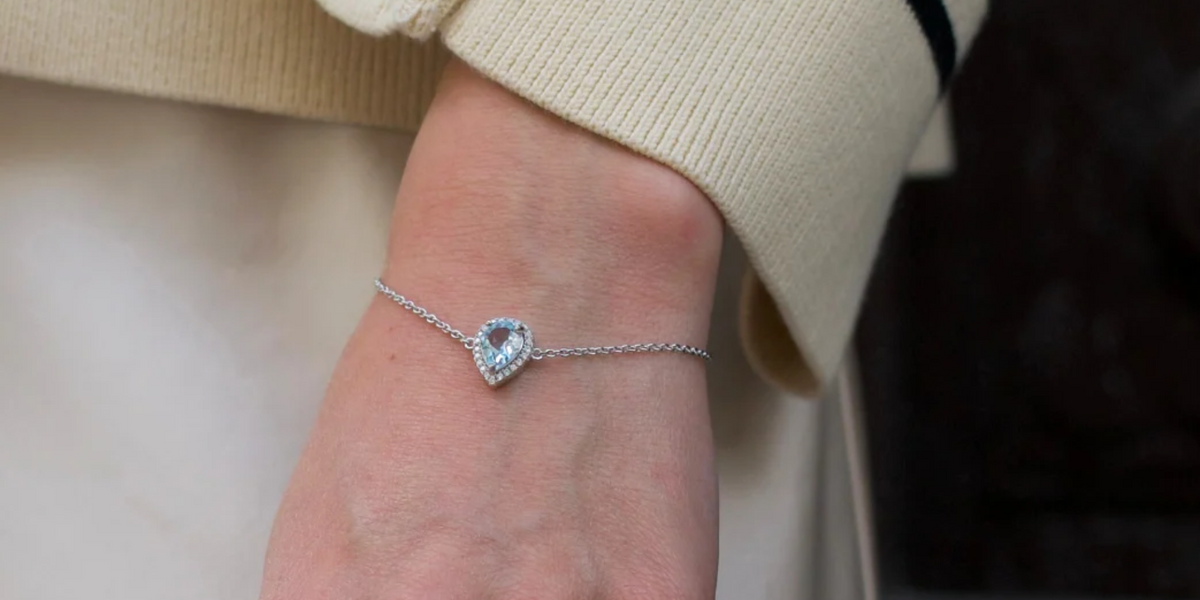
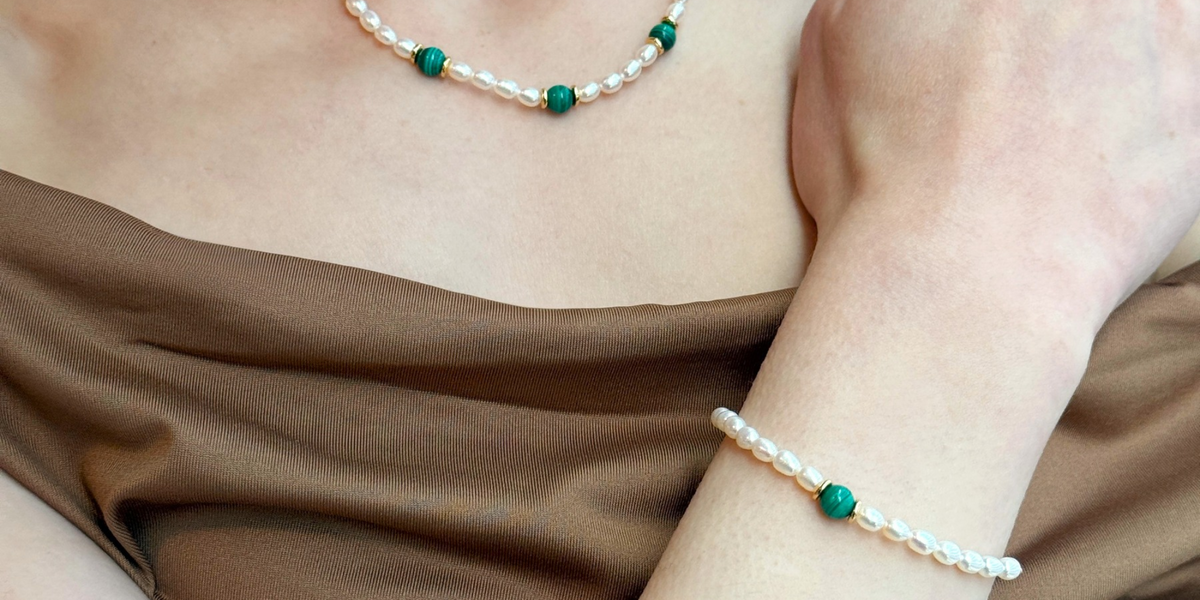
A bracelet is a piece of jewellery worn around the wrist. It can be made from metal chains, linked elements, gemstones or other materials, and many designs fasten with a clasp.
When people search for bracelets, they are often looking for flexible styles that can be worn comfortably throughout the day. These can range from simple chains to more decorative designs featuring gemstones.
What Makes a Bracelet Different?
The main characteristic of a traditional chain bracelet is its flexibility. Rather than holding a fixed circular shape, it follows the contour of your wrist and moves with you.
Many chain bracelets also have adjustable fastening options, although this depends on the individual design.
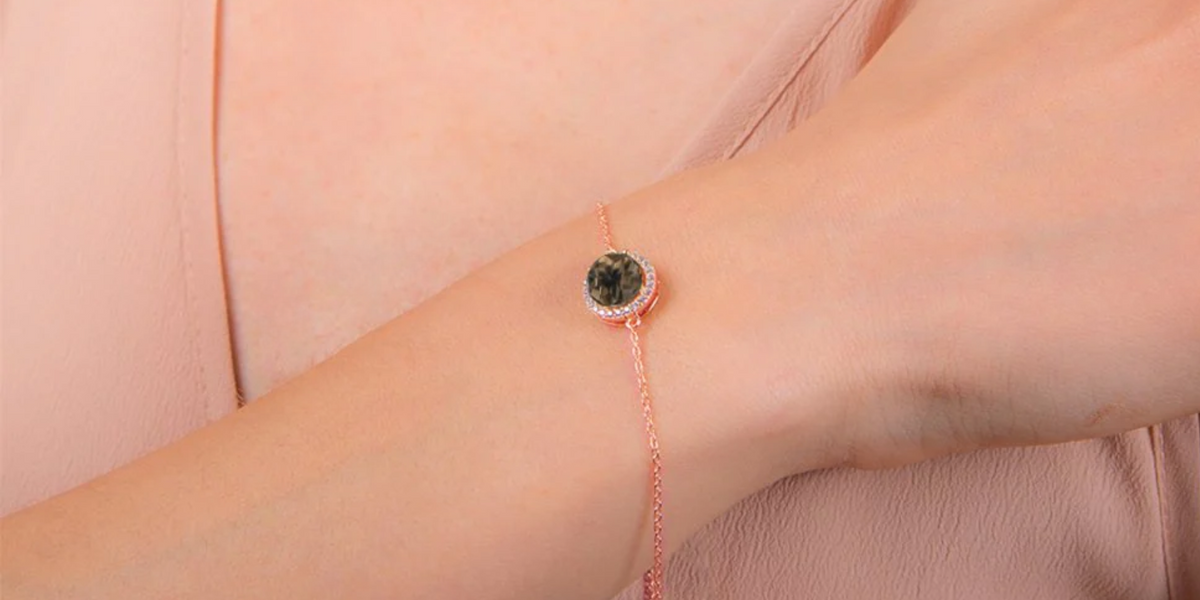
A silver gemstone bracelet, for example, combines a flexible or linked structure with the colour and detail of a gemstone. If you are looking for something versatile that can work with different outfits, this is a good style to consider.
Explore the H.AZEEM London Silver Bracelets collection to discover sterling silver designs featuring gemstones.
Who Should Choose a Bracelet?
A traditional chain bracelet may suit you if you:
- Prefer flexible jewellery that moves with your wrist.
- Like the convenience of a clasp.
- Want a piece that can be worn alone or layered.
- Enjoy gemstone details or decorative chain designs.
- Are looking for an adaptable piece for everyday wear.
If you want one piece of wrist jewellery that can work with a range of outfits, a chain bracelet is a useful starting point.
What Is a Bangle?
A bangle is generally a rigid or semi-rigid piece of wrist jewellery that retains its shape rather than following your wrist like a flexible chain.
Traditional slip-on bangles are closed circles or ovals that pass over the hand. Some designs feature hinges or clasps, allowing them to open before being fastened around the wrist.
Bangles can be plain and minimal, decorated with gemstones or designed with more elaborate details.
What Makes a Bangle Different from a Bracelet?
The most noticeable difference is the structure.
A chain bracelet bends and moves with your wrist, whereas a bangle maintains a more defined shape. This creates a different silhouette, whether you wear one bangle on its own or combine several.
Bangles can also produce a subtle sound as they move against one another, depending on their shape and how loosely they fit.
If you like jewellery with a more structured appearance, a bangle may suit your preferences better than a flexible chain.
Who Should Choose a Bangle?
Consider a bangle if you:
- Prefer a defined circular or oval shape.
- Like jewellery that retains its structure.
- Want a piece that can be worn on its own.
- Enjoy stacking several bangles together.
- Prefer a more sculptural look than a traditional chain bracelet.
The most important consideration is fit. A closed bangle must generally pass over the widest part of your hand, so choosing one based on wrist circumference alone can lead to a poor fit.
What Is a Cuff Bracelet?
A cuff is an open-ended style of bracelet with a gap that allows you to place it around your wrist from the side.
Cuffs can be narrow and understated or wider and more prominent. Some feature smooth metal surfaces, while others incorporate gemstones or decorative details.
Their defining feature is the opening, although the size and shape of that opening vary between designs.
What Makes a Cuff Different from a Bangle?
A traditional slip-on bangle is closed, meaning it usually needs to pass over your hand. A cuff has an opening, so it can be placed around your wrist without passing a closed circle over your hand.
This can make a cuff easier to put on for some people. However, an open design does not automatically guarantee a better fit.
Some cuffs are designed to remain rigid, while others may allow limited adjustment. Unless the product instructions specifically state otherwise, avoid repeatedly bending a metal cuff, as this can weaken or damage it.
Who Should Choose a Cuff?
A cuff may suit you if you:
- Prefer an open-ended design.
- Like clean lines and structured shapes.
- Want a piece that can stand out on its own.
- Enjoy contemporary or architectural jewellery.
- Find an open design more convenient than a closed bangle.
Before buying, check the cuff's inner dimensions, opening width and recommended wrist measurement.
Bracelet vs Bangle vs Cuff: Which Is Most Comfortable?
Comfort depends on the individual design, its fit and how you prefer your jewellery to sit.
There is no universally most comfortable option, but understanding how each style behaves can help you make a more informed choice.
Comfort of a Chain Bracelet
A chain bracelet generally follows the shape of your wrist and allows more flexible movement.
However, a bracelet that is too loose may slide around, while one that is too tight can feel restrictive. The clasp should also sit securely and comfortably.
Comfort of a Bangle
A bangle retains its shape, so it may feel more noticeable than a flexible bracelet.
The correct size is particularly important. A closed bangle should pass over your hand without excessive force and sit comfortably once it is on your wrist.
A bangle that is too large may move around more than you prefer, while one that is too small may be difficult to put on or remove.
Comfort of a Cuff
A cuff can be convenient because it has an opening, but the edges and fit need to suit your wrist.
The opening should not pinch your skin, and the cuff should sit securely without pressing uncomfortably against your wrist. If the design is intended to remain rigid, do not force it into a different shape.
The best fit is the one that feels secure without digging into your skin or restricting normal movement.
How Do You Choose the Right Bracelet Size?
Sizing is one of the biggest differences to consider when deciding between a bracelet, bangle and cuff.
How to Measure for a Chain Bracelet
For a traditional chain bracelet, measure around your wrist where you would normally wear it. The finished bracelet length should allow enough room for the fit you prefer.
Some people like a closer fit, while others prefer a little more movement. Check the manufacturer's sizing guidance rather than assuming that one measurement will suit every design.
How to Measure for a Bangle
For a closed, slip-on bangle, you need to consider the widest part of your hand because the bangle must pass over it.
The bangle's inner diameter or inner circumference is therefore important, in addition to how it sits on your wrist.
If you are buying a hinged bangle, check the internal dimensions and fastening instructions instead.
How to Measure for a Cuff
For a cuff, check the recommended wrist measurement, inner dimensions and opening width.
A cuff should fit securely without pinching, and you should not assume that it is adjustable simply because it has a gap.
Our upcoming size guide will explain how to measure your wrist at home and understand the differences between bracelet, bangle and cuff sizing.
Which Style Is Best for Everyday Wear?
The right everyday piece is the one that suits your routine, feels comfortable and works with the jewellery you already own.
Choose a Bracelet for Versatility
A chain bracelet is a good option if you want something flexible that can work with different outfits.
You can wear it alone, alongside a watch or with another bracelet. A silver gemstone design can also add colour without requiring you to change your usual style.
Choose a Bangle for a Structured Look
A bangle is worth considering if you prefer a more defined shape. It can look polished on its own or be worn alongside other bangles for a more layered appearance.
Just make sure it fits correctly and can be put on and removed comfortably.
Choose a Cuff for a Distinctive Silhouette
A cuff can work well if you like a more sculptural design. A narrow cuff can feel understated, while a wider one can create a stronger visual presence.
Consider the opening and how securely it sits before choosing it for regular wear.
Can You Wear a Bracelet, Bangle and Cuff Together?
Yes. Combining different wrist jewellery styles can create a more individual look, provided the pieces fit comfortably together.
For example, you could pair a delicate chain bracelet with a structured bangle, or wear a cuff alongside a simpler bracelet.
If you are new to combining styles, start with two pieces and look at their proportions. A fine bracelet and a more substantial bangle can create contrast without competing for attention.
It is also worth considering how the pieces move. Jewellery that repeatedly rubs together can become scratched or damaged over time, so make sure the combination works practically as well as visually.
What Should You Consider Before Buying Silver Wrist Jewellery?
Once you have decided on a style, check the details that affect its quality and suitability.
Check the Metal Composition
If you are shopping for sterling silver, look for clear information about the metal. 925 sterling silver contains 92.5% silver, with the remainder usually made up of other metals to improve strength.
Do not assume that every silver-coloured piece is made from sterling silver. Check the individual product description, especially if the item has a plated finish.
Consider the Weight and Dimensions
A wide bangle or cuff may feel more substantial than a fine chain bracelet. Look at the product dimensions and any available information about its weight to understand how the piece might feel when worn.
Think About Maintenance
Silver jewellery can tarnish over time, and the care requirements depend on the metal, finish and any gemstones.
Store your jewellery carefully, avoid unnecessary exposure to water and household chemicals, and follow the care instructions supplied with the piece.
For a wider overview of the styles available, browse the H.AZEEM London Silver Bracelets collection.
Frequently Asked Questions About Bracelets, Bangles and Cuffs
What is the main difference between a bracelet and a bangle?
A bracelet is the broad category of jewellery worn around the wrist. In everyday shopping, it often refers to a flexible chain or linked design. A bangle is generally rigid or semi-rigid and retains its circular or oval shape.
Is a cuff the same as a bangle?
No. A traditional slip-on bangle is closed, while a cuff has an opening that allows it to be placed around the wrist from the side. Some bangles have hinges, so check the individual design rather than relying on the name alone.
Which is easier to put on: a bracelet, bangle or cuff?
It depends on the design and your preferences. A chain bracelet usually fastens with a clasp, a closed bangle needs to pass over the hand, and a cuff can be placed around the wrist through its opening. Hinges, clasp designs and opening widths all affect ease of use.
Which style is best for small wrists?
Neither a bracelet, bangle nor cuff is automatically best for smaller wrists. Check the actual dimensions, available sizes and fastening or opening design. Adjustable chain bracelets may offer more flexibility, but the individual measurements still matter.
Can I wear a silver bangle with a chain bracelet?
Yes. Combining a structured bangle with a flexible chain bracelet creates a contrast in shape and texture. Make sure the pieces sit comfortably together and do not rub against one another excessively.
Which style is best as a gift?
A chain bracelet can be a versatile choice, while a bangle or cuff may suit someone who prefers structured jewellery. If you are unsure about sizing, check the recipient's preferences and the product dimensions before buying.
Find Your Silver Bracelet Style with H.AZEEM London
A bracelet, bangle and cuff each offer something different. A chain bracelet brings flexibility, a bangle provides structure, and a cuff offers an open-ended design with a distinctive silhouette.
The right choice comes down to how you want your jewellery to fit, how you prefer to wear it and which design feels most natural to you.
If you are drawn to silver wrist jewellery, explore the H.AZEEM London Silver Bracelets collection to discover designs that suit your personal style.