Are Rose Gold-Plated Rings Worth Buying?
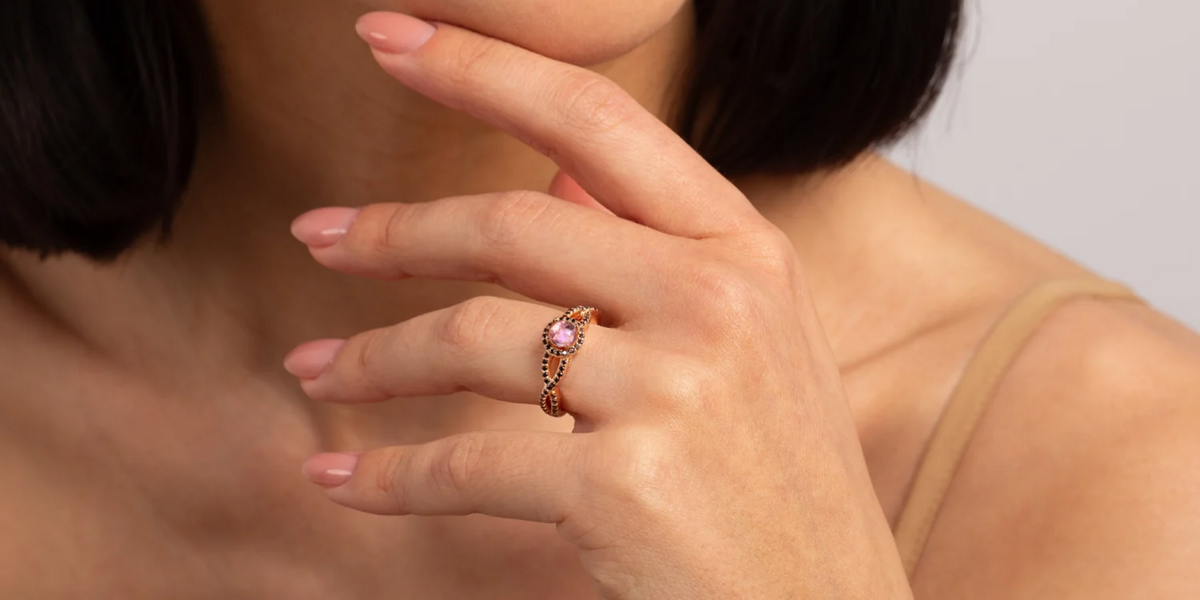
You've found a rose gold ring you love. The colour is just right, the gemstone catches the light, and you can already picture wearing it with your favourite outfits. Then you notice the description says rose gold-plated sterling silver.
What does that actually mean? Will the colour last? Is it suitable for everyday wear, and how do you look after it?
These are sensible questions to ask before buying any piece of jewellery. The short answer is that rose gold-plated rings can be a lovely choice if you understand the material, look after the finish and choose a design that suits how you plan to wear it.
Let's look at what rose gold plating means, what affects its lifespan and how to keep your ring looking its best.
What Is Rose Gold-Plated Jewellery?
Rose gold plating is a layer of rose gold-coloured metal applied to the surface of another metal. The underlying material is known as the base metal.
At H.AZEEM London, the rose gold rings collection features 18k rose gold plating over 925 sterling silver, with designs set with gemstones and other decorative details. You can explore the full Rose Gold Rings collection here.
It's worth understanding the difference between the two parts:
-
18k rose gold plating: The rose gold finish on the surface of the ring.
-
925 sterling silver: The metal underneath the plating, made primarily from silver, with 925 indicating 92.5% silver content.
This means a rose gold-plated sterling silver ring is not the same as a ring made entirely from solid 18k rose gold. Both can be attractive choices, but they are different materials and should be described accurately.
Are Rose Gold-Plated Rings Worth Buying?
For many jewellery lovers, yes. Rose gold-plated rings can offer the warm appearance of rose gold alongside the qualities of a sterling silver base, often at a more accessible price than comparable solid-gold jewellery.
They are particularly appealing if you enjoy colourful gemstone designs, like to experiment with different jewellery styles or want a ring for regular rotation rather than a piece made from solid gold.
However, plating does require care. The surface finish can wear down over time, especially on rings, which come into frequent contact with hands, surfaces, water and everyday products.
Before buying, think about three things:
-
How often will you wear it? A ring worn daily is likely to experience more friction than one saved for occasional outings.
-
What kind of design do you prefer? A ring with a prominent gemstone may need more careful handling than a simple band.
-
Are you happy to care for the finish? Removing the ring during activities that expose it to water, chemicals or friction can help preserve its appearance.
If these points suit your lifestyle, a rose gold-plated ring can be a worthwhile addition to your jewellery collection.
How Long Do Rose Gold-Plated Rings Last?
There isn't one guaranteed lifespan for rose gold plating. It depends on factors such as the plating specification, how often you wear the ring, how much friction it experiences and how you care for it.
A ring worn occasionally and stored carefully may retain its finish for longer than one worn every day through washing, exercise and household tasks.
Rings can be particularly exposed to wear because your hands are constantly in use. The underside of the band may rub against surfaces, while the areas around settings can come into contact with soaps, lotions and other products.
What Causes Rose Gold Plating to Wear?
Common factors include:
-
Frequent contact with water: Regular exposure, especially alongside soaps and detergents, can contribute to wear.
-
Perfume, lotions and cosmetics: Product residue can affect the surface over time.
-
Friction: Contact with other jewellery, hard surfaces and everyday objects can gradually wear the finish.
-
Cleaning chemicals: Household cleaners and other harsh substances can damage jewellery finishes.
-
Incorrect cleaning: Abrasive cloths, polishing compounds or aggressive scrubbing can remove or damage plating.
This doesn't mean you need to avoid wearing your ring. It simply helps to be mindful of when you wear it and what it comes into contact with.
Can Rose Gold Plating Wear Off?
Yes. Rose gold plating is a surface finish, so it can gradually wear away with use. If this happens, the sterling silver underneath may become visible in areas where the plating has thinned.
How quickly this happens varies by ring and wearing habits, so it's best to be cautious about any claim that a plated ring will keep its original finish for a fixed number of years.
If you notice significant changes in colour or finish, check the product's care and warranty information before attempting to clean or repair it yourself.
Do Rose Gold-Plated Rings Tarnish?
They can change in appearance over time, but it helps to distinguish between tarnishing and plating wear.
Tarnishing is a chemical reaction that changes the appearance of a metal's surface. Sterling silver can tarnish when exposed to substances in the environment. Plating wear, on the other hand, occurs when the rose gold finish becomes thinner or wears away.
Because a plated ring has a surface layer over sterling silver, its appearance can be affected by both the condition of the plating and the underlying metal.
If your ring starts to look different, avoid immediately reaching for a silver polish or abrasive cleaner. These products may be unsuitable for plated jewellery and could damage the finish further.
Instead, gently wipe the ring with a soft, dry cloth and check the care instructions supplied with the piece.
How to Care for Rose Gold-Plated Rings
A little care can make a real difference to how your ring looks over time. You don't need an elaborate routine; the important thing is to avoid unnecessary exposure and clean it gently.
1. Remove Your Ring Before Washing or Swimming
Take your ring off before showering, swimming, washing dishes or exercising. Chlorinated water, soaps, detergents and repeated moisture can contribute to wear.
It's also a good idea to remove it before applying hand cream or using cleaning products.
2. Put Jewellery on After Applying Perfume and Creams
Make your ring one of the final touches when getting ready. Allow perfume, moisturiser and other products to dry before putting your jewellery on.
This reduces direct contact between the finish and the products you use on your skin.
3. Clean Gently After Wearing
After wearing your ring, use a clean, soft, dry cloth to wipe away fingerprints and light residue.
Avoid abrasive polishing cloths, harsh chemicals, ultrasonic cleaners or vigorous scrubbing unless the manufacturer specifically confirms that the method is suitable for that piece. Gemstones and plated finishes can require different care, so follow the individual product instructions.
4. Store Your Rings Separately
When you're not wearing your ring, keep it in a dry jewellery box or soft pouch. Store it separately from other pieces to reduce scratching and friction.
If you own several rings, avoid dropping them together into a jewellery dish where their settings and surfaces can rub against each other.
5. Be Mindful of Everyday Activities
You don't have to save your rose gold ring for special occasions, but removing it for activities involving heavy friction, chemicals or impact can help protect it.
If you plan to wear a ring regularly, choose a design that suits your routine and check the product page for its material and care information.
Rose Gold-Plated Sterling Silver vs Solid Rose Gold: What's the Difference?
Both can give jewellery a beautiful warm pink tone, but the construction, price and care requirements differ.
|
Feature |
Rose Gold-plated Sterling Silver |
Solid Rose Gold |
|
Construction |
A rose gold-plated surface over sterling silver |
The ring is made from a rose gold alloy throughout |
|
Colour |
The plated finish can wear over time |
The colour comes from the alloy itself |
|
Long-term wear |
The surface may need professional assessment or re-plating if worn |
It does not have a separate plating layer to wear away, although the metal can still scratch and show signs of use |
|
Price |
Often more accessible than comparable solid-gold designs |
Generally more expensive, depending on gold content, weight and design |
|
Care |
Avoid abrasion and products that may damage the plating |
Still needs appropriate cleaning and care for its alloy and setting |
The right option depends on your budget, expectations and how you want to wear the ring. If you specifically want a ring made from solid gold, check the metal specification carefully rather than relying on the colour alone.
Which Rose Gold-Plated Ring Should You Choose?
Once you're comfortable with the material, the next step is choosing a design you'll genuinely enjoy wearing.
For a Delicate Everyday Look
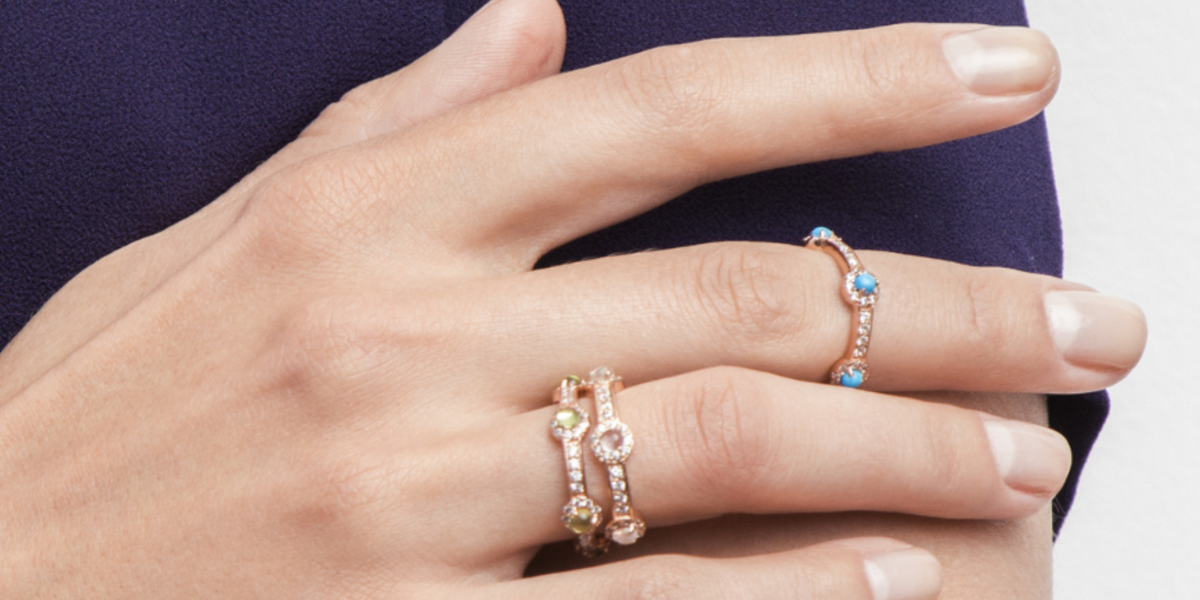
A simple stacking ring is a good starting point if you prefer understated jewellery. H.AZEEM's Rose Gold Single Stacking Ring features cubic zirconia set in 18k rose gold-plated 925 sterling silver and can be worn alone or layered with other rings.
For a Pop of Colour
If you like jewellery that adds colour to your outfit, a gemstone design can be a lovely choice. The Luscious Blue Topaz Rose Gold Ring combines a cool blue gemstone with the warmer rose gold finish.
For a More Subtle Gemstone Look
For softer colour, consider the Rose Quartz Stone Stacking Rose Gold Ring. It can be worn on its own or paired with a simple band for a more layered look.
Whichever design you choose, check the product page for the exact materials, available sizes and care guidance before ordering.
Frequently Asked Questions About Rose Gold-Plated Rings
Is 18k rose gold-plated sterling silver real gold?
The plating is a rose gold layer, while the base metal is sterling silver. It is not the same as a ring made entirely from solid 18k rose gold. Always check the product description to understand the exact construction.
Can I wear a rose gold-plated ring every day?
You can wear one regularly, but daily use may cause the finish to wear more quickly, particularly if the ring is exposed to friction, water, chemicals or cosmetics. Removing it during activities that could damage the finish can help preserve its appearance.
Can you shower with rose gold-plated rings?
It's best to remove them before showering. Soap, shampoo and repeated exposure to water can contribute to wear, so keeping the ring dry when possible is a sensible precaution.
Can rose gold-plated rings be replated?
Some rings can be professionally replated, depending on their construction, condition and gemstone setting. Contact the brand or a qualified jeweller to check whether this is suitable for your particular ring before arranging any work.
How should I clean a rose gold-plated ring?
Start with a soft, dry cloth and gentle handling. Avoid abrasive polishes, harsh chemicals and aggressive cleaning methods unless the product's care instructions explicitly allow them.
Are rose gold-plated rings suitable for sensitive skin?
Sensitivity varies from person to person and can depend on the metals in the jewellery and the condition of its finish. If you have known metal sensitivities, check the full material specification and ask the brand for clarification before buying. Do not assume that a plated finish guarantees that a piece will be suitable for every wearer.
Shop Rose Gold Rings at H.AZEEM London
A rose gold-plated ring can be a beautiful way to add colour and warmth to your jewellery collection. The key is understanding what you're buying, choosing a design that fits your lifestyle and giving the finish the care it needs.
Whether you're drawn to a delicate stacking ring or a colourful gemstone design, explore the H.AZEEM London Rose Gold Rings collection to find a piece that suits your personal style.