
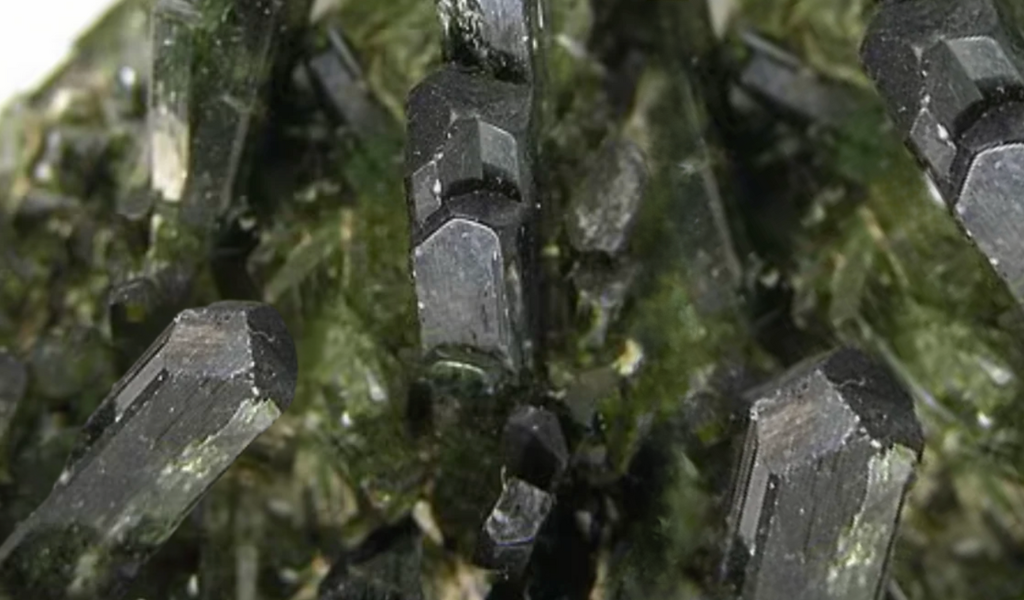
GREEN DIOPSIDE
GEMSTONE
Green Diopside is believed to bring insight and understanding to the wearer.

Recently viewed

925 Sterling Silver

Natural Gemstones

Free UK Delivery

12 Month Warranty
Green Diopside: The Undiscovered Gem
When it comes to vivid green gemstones, Green Diopside is often overlooked in favour of more famous counterparts like Emerald or Peridot. But behind its deep forest-green hue lies a remarkable history — one that stretches from the icy mines of Siberia to the high-fashion world of modern jewellery.
The Origins of Green Diopside
Green Diopside belongs to the larger diopside mineral family, first discovered in the early 1800s. The name “diopside” comes from Greek roots: “dio” (meaning "two") and “opsis” (meaning "vision"), likely referring to the gem’s optical characteristics. But Green Diopside, specifically the chromium-rich variety, didn’t gain significant attention until it was unearthed in Siberia in the 1980s.
Russia’s rugged Siberian region is still the primary source of gem-quality Green Diopside today. The harsh climate and remote locations make mining a seasonal endeavor — only accessible during warmer months when the ground isn’t frozen solid. This natural rarity adds a layer of exclusivity and intrigue to the gem.
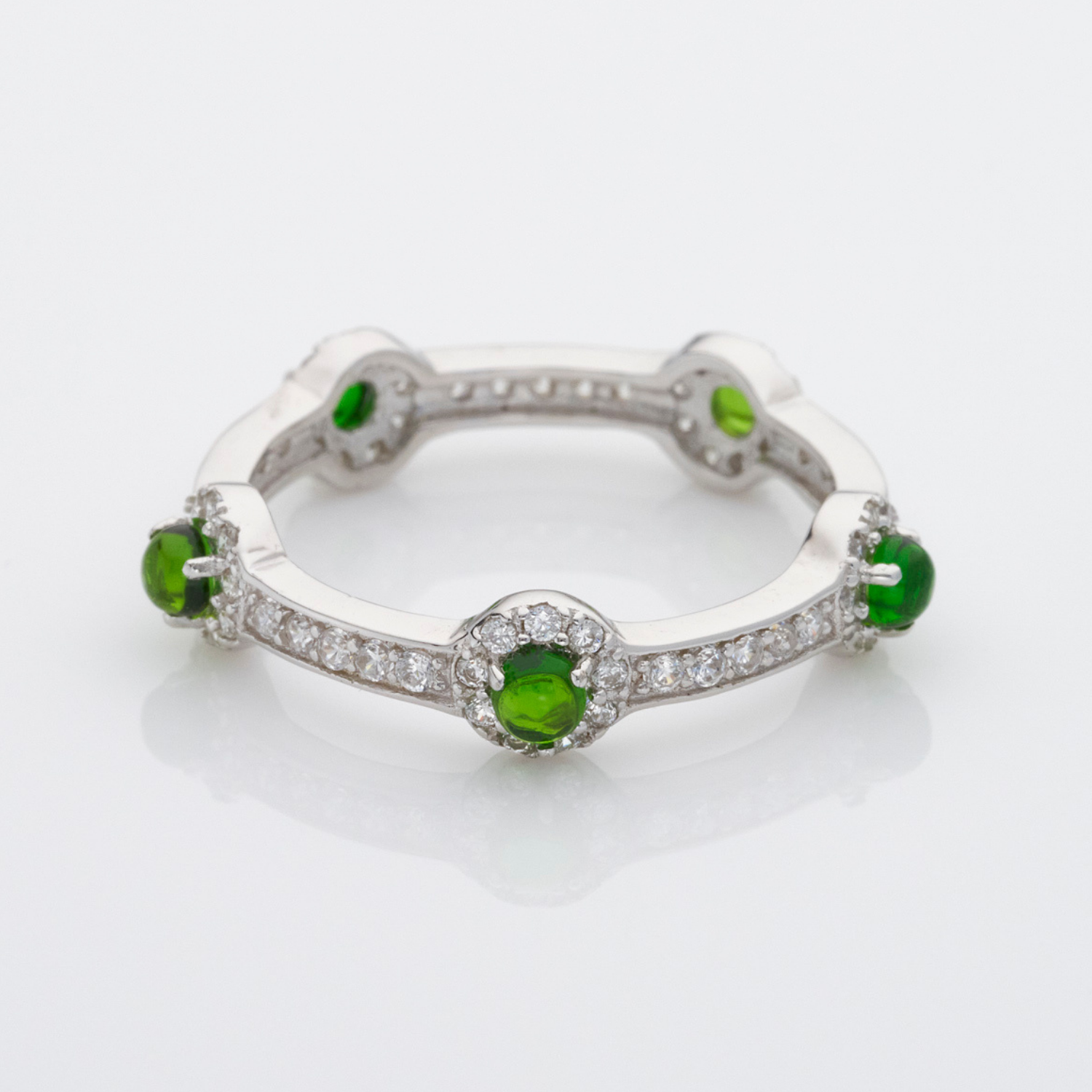
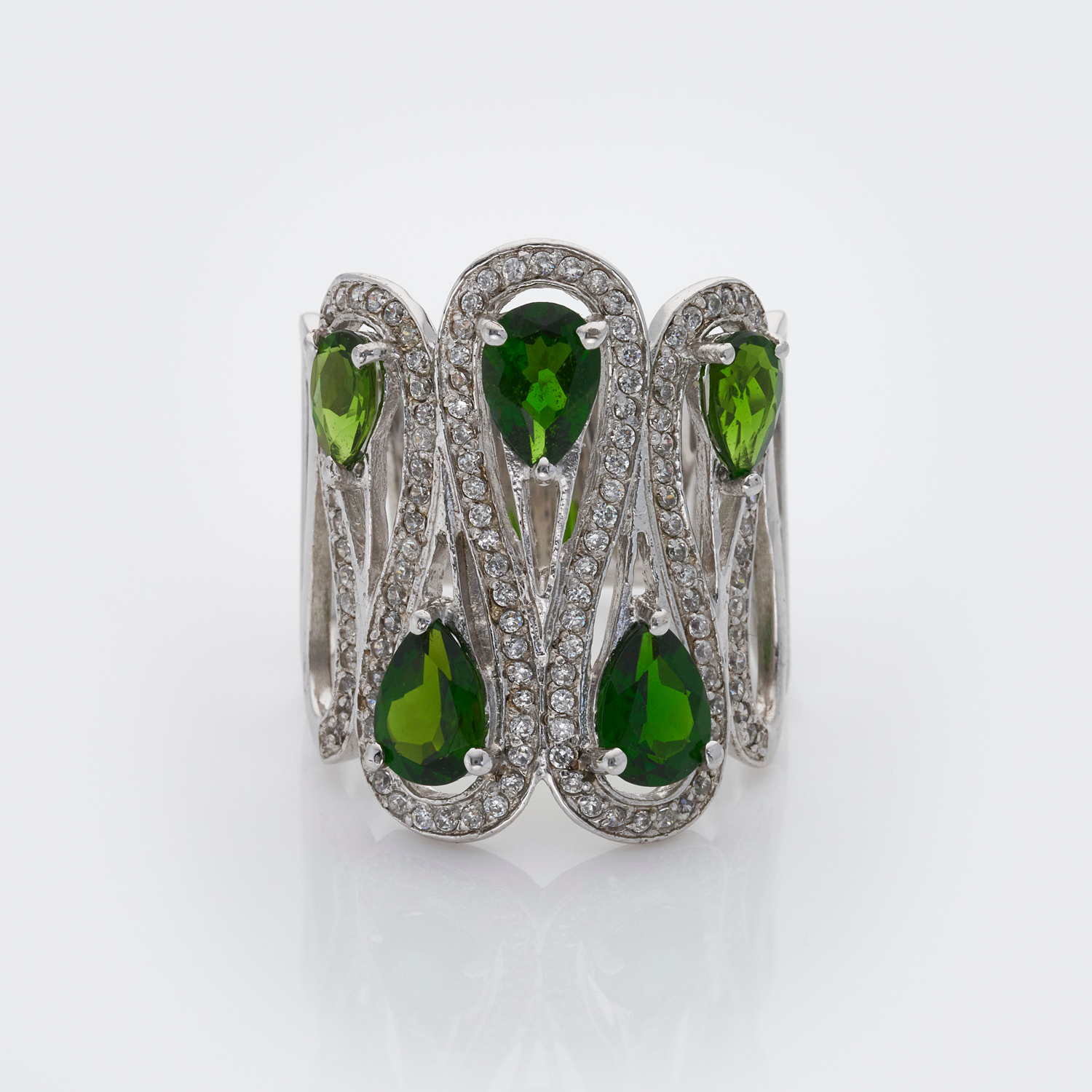
Pair it with silver for a luxurious contemporary look. Green Diopside makes a statement — one that feels grounded in nature and elevated by design.
Meaningful and Memorable
Green Diopside isn’t just eye-catching — it’s also believed to carry emotional and spiritual value. Often associated with the heart chakra, this gem is thought to promote compassion, emotional healing and connection to nature.
Whether you’re giving it as a gift or choosing it for yourself, Green Diopside adds a thoughtful, symbolic layer to your jewellery — making it perfect for meaningful milestones or everyday wear.
A Rising Star in Modern Jewellery
For decades, Green Diopside remained relatively unknown in Western markets. That changed in the early 2000s, when designers began to embrace eco-conscious and ethically sourced stones. With its natural color, stunning brilliance, and accessible price, Green Diopside quickly gained a reputation as a luxury alternative to Emeralds.
Pair with Neutrals for a Pop of Color
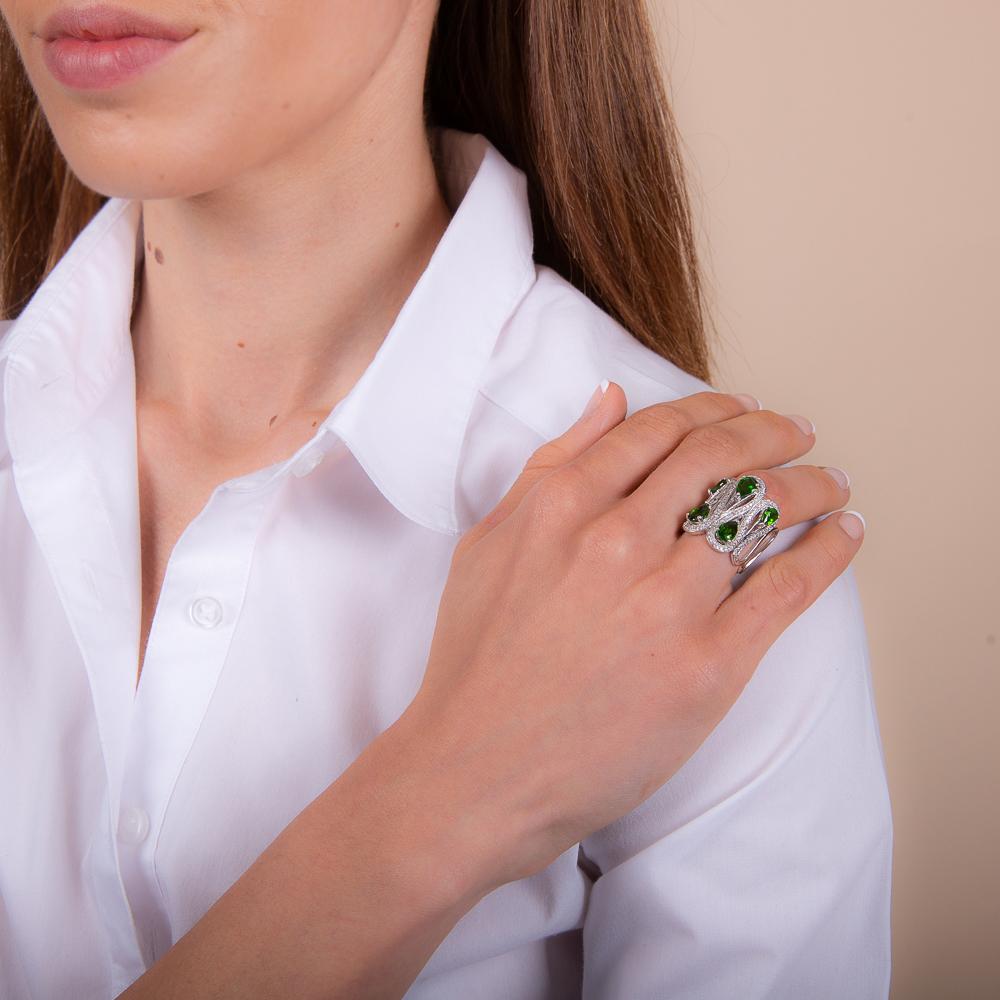
Green Diopside shines brightest when it has space to stand out. Think crisp whites, soft grays, blacks, or beige tones. Whether it’s a little black dress or a simple white blouse, neutral outfits create the perfect backdrop for the gem’s vibrant colour.
Explore our Green Diopside collection and bring nature's richest green into your everyday style.
Frequently Asked Questions About Green Diopside
Green Diopside is pyroxene, while Emerald is beryl; they may share a green colour but have different hardness and composition. Similar colour does not mean two gemstones are the same, and reliable identification may require gemological testing rather than visual comparison alone.
Green Diopside can be used in rings, but the right setting and care are important. Rings receive more knocks and abrasion than necklaces or earrings, so consider the stone's durability, how exposed it is and whether the ring will be worn daily. Remove it for strenuous or manual activities.
Yes. Green Diopside jewellery can be chosen for its association with growth, renewal and connection with nature. Earrings and necklaces avoid sizing concerns, while a ring can feel more personal when the recipient's size is known.
Green Diopside can work with both gold and silver. Gold normally creates a warmer, richer effect, while sterling silver gives a cooler or more contemporary contrast. The best choice depends on the stone's individual colour, the design and the metals you prefer.
Check whether the seller clearly identifies the stone as natural, laboratory-created, treated or imitation and states the jewellery metal. Photographs and inclusions alone cannot prove authenticity. For a high-value or uncertain piece, professional gemmological testing provides the most reliable identification.
Occasional brief contact with clean water may not immediately damage every Green Diopside piece, but it should not be worn while showering, swimming or bathing. Water, chlorine, salt, soap and repeated moisture can affect the gemstone, setting or plated finish, so remove the jewellery first.
Wipe Green Diopside jewellery gently with a clean, soft cloth after wear. Follow the care instructions for the specific product before using water or soap, and avoid bleach, acids, abrasive cleaners and unapproved ultrasonic or steam cleaning. Dry the piece fully before storing it.
Green Diopside is best worn with care because it is less resistant to scratching and impact than Sapphire. Rings and bracelets experience more contact than earrings and necklaces, so suitability also depends on the setting and the wearer's routine. Remove gemstone jewellery before exercise, cleaning, swimming or manual work.
There is no single UK price for Green Diopside. Loose-stone value depends on quality, size, cut, treatment, origin where reliably established, and market demand; finished jewellery also reflects its metal and craftsmanship. For a formal valuation of an existing piece, consult an independent qualified jewellery valuer or gemologist.
Green Diopside jewellery is available at different price points. The cost depends on the stone's variety, colour, clarity, size, cut, rarity and treatment, together with the metal, craftsmanship and complexity of the finished design.
Green Diopside is not a standard monthly birthstone. It is therefore commonly chosen for nature-inspired gifts and personal milestones.
Green Diopside jewellery features the green gem form of Diopside; vivid chromium-bearing material is called Chrome Diopside set into pieces such as rings, necklaces, earrings and bracelets. It is recognised for fresh yellow-green to vivid chromium green. H.AZEEM London specialises in natural gemstone jewellery crafted primarily in 925 sterling silver, with selected gold and rose-gold finishes.
Yes, Green Diopside occurs naturally, deriving its vibrant green colour from trace amounts of chromium or iron. Natural does not always mean untreated, however, so buyers should check the product description for the gemstone identity, treatment information where relevant, and the jewellery metal. The term Chrome Diopside should be reserved for chromium-coloured green Diopside rather than used for every green stone.
Green Diopside is recognised for fresh yellow-green to vivid chromium green. Natural stones can vary in tone, transparency, inclusions and pattern, so an individual piece may not look identical to another or to a sample photograph.
Green Diopside has traditionally been associated with growth, renewal and connection with nature. These meanings can make the jewellery personally significant, but they are cultural or spiritual associations rather than scientifically proven medical effects.